How to Prune Pimpernel willowherb?
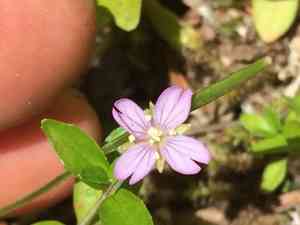
Pimpernel willowherb, a perennial herb flourishing in damp environments, benefits from light trimming to control its expansion and eliminate withered blossoms. In spring, as fresh shoots emerge, perform a gentle prune, severing dead stalks at the soil line. Throughout the summer, remove spent flowers to stimulate further blooming and deter self-propagation, unless you intend to gather seeds. Consistent pruning sustains vitality and visual attractiveness, fostering robust plant growth across its active period.
What Are the Benefits of Pruning Pimpernel Willowherb?
What Are the Benefits of Pruning Pimpernel Willowherb?
Trimming pimpernel willowherb encourages robust growth and helps maintain its desired shape. Strategic cuts enhance light penetration and air circulation, fostering a strong structure and preventing excessive growth that can lead to pest issues and illnesses.
What Is the Best Time for Pruning Pimpernel Willowherb?
What Is the Best Time for Pruning Pimpernel Willowherb?
The optimal periods for trimming or cutting pimpernel willowherb are during the spring and early summer months. These seasons coincide with the initial growth phase of pimpernel willowherb following dormancy, which typically occurs in regions experiencing cold winters. Pruning in spring helps stimulate new growth and can contribute to healthier plant development as it enters its active growth cycle. Early summer pruning is beneficial because pimpernel willowherb has already begun active growth, and any trimming can improve the plant's form and encourage further development. Additionally, it ensures the plant has ample time to recover before the colder months. It's crucial to avoid pruning pimpernel willowherb in late summer or fall, as this could trigger new growth susceptible to early frost, potentially harming the plant.
What Tools Do I Need to Prune Pimpernel Willowherb?
Bypass pruners
These are perfect for making clean, precise cuts on pimpernel willowherb's delicate stems. Bypass pruners operate like scissors, with two blades passing each other, minimizing harm to the plant tissue.
Gardening shears
For trimming and shaping pimpernel willowherb across larger areas, gardening shears provide a quick and effective method to manage growth without causing undue stress to the plant.
Handheld pruning saw
If pimpernel willowherb has any woody stems too thick for pruners or shears, a small handheld pruning saw is suitable for cutting through them without tearing.
Gloves
Wearing gloves is essential to safeguard your hands from any sharp edges and potential skin irritants that might be present on the plant.
How to Prune Pimpernel Willowherb
Cleaning tools
Before pruning pimpernel willowherb, clean and sanitize pruning tools to prevent disease spread. Use a bleach and water solution or rubbing alcohol to disinfect cutting implements.
Identification of parts
Carefully examine pimpernel willowherb for the specific parts needing trimming: diseased leaves, withered leaves, and diseased stems. This helps determine the extent of pruning required.
Pruning diseased leaves
Use sharp, disinfected shears to remove diseased leaves from pimpernel willowherb. Make the cut at the leaf's base where it joins the stem to ensure complete removal of infected tissue.
Pruning withered leaves
Trim off withered leaves from pimpernel willowherb to improve air circulation and direct the plant's energy into new growth. Cut these leaves at the stem, being careful not to damage adjacent healthy foliage.
Pruning diseased stems
If pimpernel willowherb has diseased stems, these should be pruned back to healthy tissue. Cut at an angle to prevent water accumulation and potential rot, avoiding any tears that could further stress the plant.
Common Pruning Mistakes with Pimpernel Willowherb
Over-pruning
Removing too much foliage from pimpernel willowherb can weaken the plant. This error often occurs when gardeners cut back more than a third of the plant in a single pruning session.
Improper cut locations
Cutting into the woody, older stems of pimpernel willowherb can harm the plant's structure. Pruning should be limited to the soft, green, non-woody stems unless removing dead or diseased material.
Neglecting tool hygiene
Using dirty pruning tools can introduce pathogens to pimpernel willowherb. It is a common oversight not to clean and disinfect pruning equipment between uses.
Ignoring plant health
Pruning pimpernel willowherb when it is stressed, such as during a drought or pest infestation, can further weaken the plant. Gardeners sometimes miss signs of plant stress before pruning.
Common Pruning Tips for Pimpernel Willowherb
Timing and frequency
Regularly deadhead spent flowers on pimpernel willowherb to encourage more blooms. Occasional trimming of overgrown stems helps maintain its shape.
Cutting technique
Make clean, angled cuts on pimpernel willowherb just above leaf nodes to promote new growth. Angled cuts help prevent water accumulation and potential disease.
Tool selection
Use sharp, appropriately sized pruners for pimpernel willowherb to make precise cuts without damaging the stems.
Plant shape management
Trim pimpernel willowherb to maintain its natural form, removing any awkwardly growing stems to preserve a balanced appearance while ensuring good air circulation.



