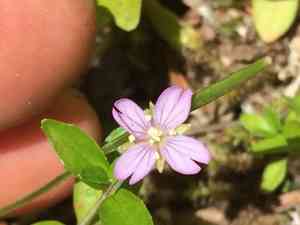
Pimpernel willowherb (Epilobium anagallidifolium)
Also known as: Pimpernel-leaved willowherb
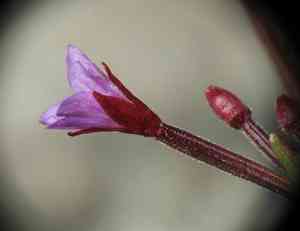
The Pimpernel Willowherb (Epilobium anagallidifolium) is a wildflower that flourishes in cold northern boreal regions and alpine or subalpine mountain areas further south. With its small, trumpet-shaped blooms, it draws in hummingbirds, butterflies, and various pollinating insects, making it a valuable plant for gardens in these environments.
In This Article
Attributes of Pimpernel willowherb
Lifespan
Perennial
Plant Type
Herb
Plant Height
5 cm to 20 cm
Spread
20 cm to 30 cm
Leaf Color
Green
Flower Size
2.5 cm
Flower Color
White Purple Red
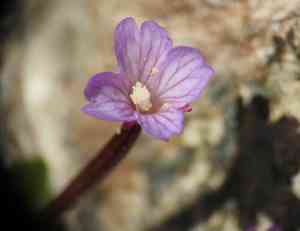
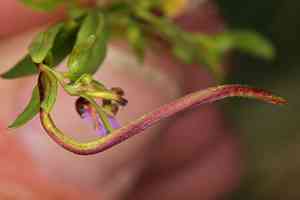
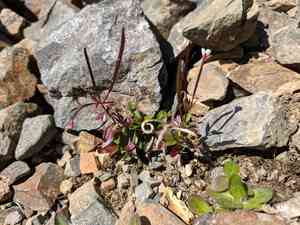
Images of Pimpernel willowherb
Quickly Identify Pimpernel willowherb
1
Identifiable by its small, pink to purple flowers and lance-shaped to ovate leaves. The plant often forms low, mat-like patches and has stems that are mostly decumbent.
Scientific Classification of Pimpernel willowherb
Phylum
Vascular plants
Class
Dicotyledons
Order
Myrtales
Family
Evening primrose
Genus
Willowherbs
Species
Pimpernel willowherb
Planting and Growing of Pimpernel willowherb
Care Difficulty
Easy
Watering Schedule
Every 3 days
Sunlight Requirements
Partial sun
Sunshine Duration
4-6 hours
Ideal Temperature
50-60℉
Soil Type
Potting Mix, Peat Mix
Soil pH
5.5-7
Fertilizer Type
Balanced
Pruning Season
Spring, Summer
Pruning Area
Branches, Leaves
Pruning Frequency
2 times a year
Repotting Season
Spring
Pot Type
Plastic, Ceramic
 How to Water Pimpernel willowherb?
For Epilobium anagallidifolium, watering should be moderately done. Aim to keep the soil consistently moist but not waterlogged. Water until the topsoil is adequately moist up to a depth of half an inch, ensuring that the moisture reaches to the root zone efficiently.
What are the symptoms of an underwatered Pimpernel willowherb?
›
What should I do if my Pimpernel willowherb is not getting enough water?
›
What are the symptoms of an overwatered Pimpernel willowherb?
›
How to save an overwatered Pimpernel willowherb?
›
 What Are the Sunlight Requirements for Pimpernel willowherb?
Epilobium anagallidifolium thrives in partial to full sun conditions, meaning exposure to four to eight hours of sunlight daily is optimal. This range supports photosynthesis, fostering robust growth and vibrant blooms and contributing to the plant's overall vitality and resilience.
More About Sunlight Requirements Techniques→
What is the ideal light condition for Epilobium anagallidifolium?
›
How can I provide the ideal lighting for Epilobium anagallidifolium?
›
What benefits does ideal lighting bring to Epilobium anagallidifolium?
›
 What Is the Ideal Temperature Range for Pimpernel willowherb?
The ideal temperature range for cultivating Epilobium anagallidifolium is between 50°F and 60°F. This range closely mimics the plant's natural alpine and subalpine environment, allowing it to thrive and grow robustly. Consistent exposure to these temperatures enhances its foliage and flower production, maintaining overall health.
 What Soil is Best for Pimpernel willowherb?
Epilobium anagallidifolium thrives in well-drained soils where excess water can easily escape. This prevents root rot and other moisture-related issues, promoting healthier root systems and vigorous growth. While drainage is crucial, the soil must also retain enough moisture to support the plant during dry spells. Sandy loam is excellent in this regard as it balances drainage with moisture retention, ensuring the plant remains hydrated. A nutrient-rich soil, like loam, provides essential minerals for the plant's development. This ensures lush, abundant foliage and vibrant, long-lasting blooms throughout its growing season.
 How to Fertilize Pimpernel willowherb?
For Epilobium anagallidifolium, use a balanced liquid fertilizer at a quarter strength to avoid over-fertilization. Apply about 5 milliliters per liter of water. Distribute the mixture evenly across the soil to ensure proper nutrient absorption.
 How to Prune Pimpernel willowherb?
Start by identifying dead or diseased stems and remove them using sterilized pruning shears. Focus on cutting back stems just above healthy buds to encourage new growth. Trim back around a third of the overall size to maintain a compact shape. Ensure cuts are clean to minimize stress on the plant.
More About Pruning Techniques→
 How to Propagate Pimpernel willowherb plant?
1
To start seed propagation, prepare a seedbed with a well-draining soil mix. This provides the ideal environment for seeds to germinate and develop strong root systems.
2
Select a strong, disease-free section of the plant for cuttings. Cut just below a node to ensure the cutting has enough nutritional reserves to establish new roots.
3
For division propagation, gently lift the plant from the soil and separate the root clumps by hand or with a sharp knife to ensure each section has ample roots and foliage for growth.
 How to Repot Pimpernel willowherb plant?
1
Epilobium anagallidifolium shows signs of needing a repot when it becomes root-bound, with roots emerging from the pot's drainage holes. Also, if the plant shows stunted growth or the soil dries out quickly after watering, it's time to repot. Choose the warmer months of spring or summer for optimal root recovery and growth.
2
Select a new pot that is only slightly larger than the current one, with ample drainage holes to prevent waterlogging. A pot that is too big may lead to excessive soil moisture, which can harm the roots. A clay or terracotta pot is ideal as it allows the soil to breathe, facilitating better moisture control.
3
Opt for a well-draining soil mix composed of peat, perlite, and sand. This blend prevents water retention, which is crucial for preventing root rot. The lightweight texture allows roots to expand easily, encouraging healthier root development and nutrient uptake.
Learn More About Pimpernel willowherb Diseases
Anthracnose
Bacterial Leaf Spot
Bacterial Soft Rot
Bacterial Wilt
Black Spot
Chemical Injury
Crown Gall
Cyst Nematode
Damping-off
Downy Mildew
Drought Stress
Fusarium Wilt
Gray Mold
Leaf Curl
Leaf Spot
Mosaic
Nutrient Deficiency
Nutrient Toxicity
Powdery Mildew
Root Rot
Root-knot Nematode
Rusts
Sooty Mold
Spider Mites
Temperature Stress
Thrips Damage
White Mold



