How to Prune Epidendrum parkinsonianum?
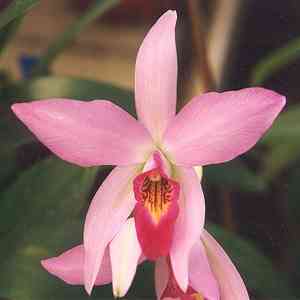
This unique epiphytic orchid, recognized for its elongated, drooping foliage and nocturnal fragrant blossoms, flourishes with judicious trimming. The most suitable periods for pruning epidendrum parkinsonianum are late winter and early spring. Remove any withered or compromised leaves and stalks to foster robust development and avert ailments. Gentle shaping can aid in controlling its dimensions and stimulating more abundant flowering. Consistent pruning improves air movement and light exposure, which are crucial for epidendrum parkinsonianum's well-being. Always employ sanitized instruments to preclude contagions.
Advantages of Trimming Epidendrum Parkinsonianum
Advantages of Trimming Epidendrum Parkinsonianum
Trimming epidendrum parkinsonianum encourages robust development and maintains its form. It fosters healthy growth by eliminating dead or damaged sections, boosts blooming, manages size, and enhances appearance. Consistent trimming also aids in resistance to pests and diseases.
Optimal Period for Trimming Epidendrum Parkinsonianum
Optimal Period for Trimming Epidendrum Parkinsonianum
These periods are considered ideal for trimming epidendrum parkinsonianum primarily because they coincide with the plant's inactive phase. Pruning during early spring and late winter helps minimize plant stress as it prepares for its active growth and flowering stage. Additionally, trimming in these seasons can improve air circulation, lower disease risk, and encourage healthier development. Ensuring proper timing allows gardeners to effectively manage the size and shape of epidendrum parkinsonianum, while also supporting its overall health and vigor for the upcoming growing season.
Necessary Tools for Trimming Epidendrum Parkinsonianum
Bypass Pruners
Perfect for making clean cuts on living stems and branches, ensuring minimal harm to the plant.
Sterile Scissors
Useful for trimming delicate roots and small stems, ensuring precision and reducing the chance of disease transmission.
Alcohol Wipes
Crucial for sanitizing your tools between cuts to prevent the spread of pathogens.
Tweezers
Convenient for removing dead or decaying tissues without disturbing healthy plant parts.
How to Trim Epidendrum Parkinsonianum
Assess
Examine epidendrum parkinsonianum for any indications of diseased or withered foliage. Pay close attention to any discoloration or unusual textures.
Sanitize
Clean your pruning implements with a solution of one part bleach to nine parts water to prevent disease transmission.
Trim diseased
Carefully remove any diseased leaves, cutting just above a healthy portion of the stem. Dispose of the diseased leaves away from other plants.
Trim withered
Remove withered leaves by cutting them at the base, ensuring no damage to healthy growth.
Dispose
Properly discard all trimmed parts to prevent any potential disease spread.
Common Trimming Errors with Epidendrum Parkinsonianum
Excessive pruning
Removing too much of the plant can stress epidendrum parkinsonianum, leading to reduced blooming and growth. This can also expose the plant to diseases and pests due to fewer protective leaves.
Pruning immature stems
Cutting back young or recently developed stems can impede epidendrum parkinsonianum's development and delay flowering. It's essential to prune only mature, healthy stems.
Incorrect tool use
Using dull or unclean tools can damage epidendrum parkinsonianum's tissues, leading to infections. Always ensure tools are sharp and sterilized before use.
Improper cutting technique
Making jagged or uneven cuts can harm the plant and leave it vulnerable to disease. Cuts should be clean and smooth for optimal healing.
No pruning at all
Neglecting to prune can result in dense growth, decreasing air circulation and light penetration, which negatively impacts epidendrum parkinsonianum's overall health.
General Trimming Advice for Epidendrum Parkinsonianum
Use sharp, sterile tools
Always use clean, sharp pruning shears to make precise cuts and prevent disease spread.
Prune mature stems
Focus on cutting back the mature, established stems while avoiding the immature ones to promote healthy growth and flowering.
Remove dead or diseased parts
Regularly inspect epidendrum parkinsonianum for any dead, damaged, or diseased parts and remove them promptly to maintain plant health.
Promote airflow
Thin out overcrowded areas to enhance air circulation around epidendrum parkinsonianum, which helps prevent fungal infections and promotes robust growth.
Cut at an angle
Make pruning cuts at a slight angle to encourage water runoff and reduce the risk of waterborne pathogens infecting epidendrum parkinsonianum.
Support regrowth
Provide support to pruned areas if necessary, particularly with younger plants, to guide new growth and shape the plant effectively.



