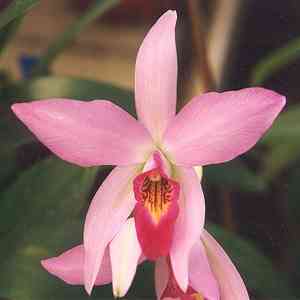
Epidendrum parkinsonianum (Epidendrum parkinsonianum)
Also known as: Parkinson's Epidendrum
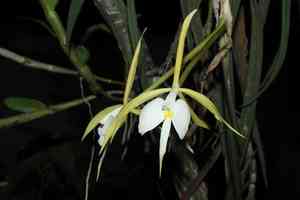
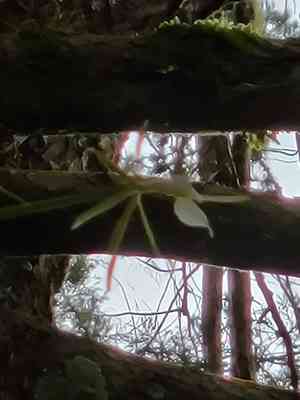
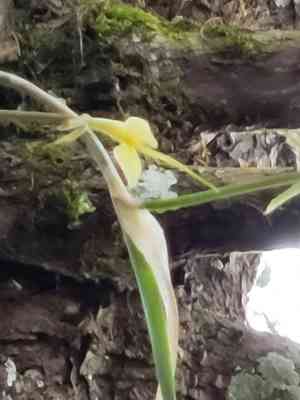
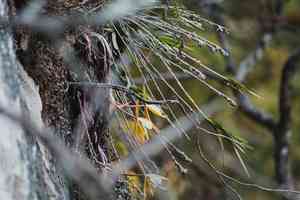
Epidendrum parkinsonianum captivates with its star-shaped white flowers, highlighted by a green center. Its spider-like elongated petals are distinctive, and its pendant growth habit makes it appear as though it's draped over tree branches. Native to high-elevation cloud forests, it flourishes as an epiphyte, making the most of the filtered sunlight and abundant moisture in its environment. This orchid's striking floral display and unique growth pattern make it a standout in the lush forest canopy.
In This Article
Attributes of Epidendrum parkinsonianum
Lifespan
Perennial
Plant Type
Herb
Plant Height
Mature plants typically reach a height of 60 to 90 cm (24 to 36 inches).
Spread
As an epiphyte, it does not have a crown diameter in the traditional sense.
Leaf Color
The leaves are typically green.
Flower Size
The flowers measure about 7-9 cm in diameter.
Flower Color
The flowers are predominantly white with green tinges.
Images of Epidendrum parkinsonianum
Quickly Identify Epidendrum parkinsonianum
1
This orchid can be identified by its long, leathery, pendulous leaves and large, fragrant, night-blooming flowers. The flowers are white with a green tinge and have a distinctive lip.
Scientific Classification of Epidendrum parkinsonianum
Phylum
Vascular plants
Class
Monocotyledons
Order
Asparagales
Family
Orchid
Genus
Orchid
Species
Epidendrum parkinsonianum
Planting and Growing of Epidendrum parkinsonianum
Care Difficulty
Moderate
Watering Schedule
Every 3 days
Sunlight Requirements
Partial sun
Sunshine Duration
6-10 hours
Ideal Temperature
60-75℉
Soil Type
Potting Mix, Peat Mix
Soil pH
6.5-7.5
Fertilizer Type
Balanced
Pruning Season
Spring, Summer
Pruning Area
Branches, Leaves
Pruning Frequency
2 times a year
Repotting Season
Spring
Pot Type
Plastic, Ceramic
 How to Water Epidendrum parkinsonianum?
For Epidendrum parkinsonianum, watering should ensure the roots are adequately moistened without creating a waterlogged environment. Use about 150 ml of water, allowing it to drain completely, ensuring there's no stagnant water left.
What are the symptoms of an underwatered Epidendrum parkinsonianum?
›
What should I do if my Epidendrum parkinsonianum is not getting enough water?
›
What are the symptoms of an overwatered Epidendrum parkinsonianum?
›
How to save an overwatered Epidendrum parkinsonianum?
›
 What Are the Sunlight Requirements for Epidendrum parkinsonianum?
The ideal light range for Epidendrum parkinsonianum is partial sunlight, meaning about 2 to 4 hours of filtered or gentle sunlight. This provides the plant with the energy necessary for growth and encourages its flowering ability without risking leaf burn.
What is the ideal light for Epidendrum parkinsonianum?
›
How can I achieve ideal lighting?
›
What are the benefits of ideal lighting?
›
 What Is the Ideal Temperature Range for Epidendrum parkinsonianum?
For optimal growth of Epidendrum parkinsonianum, the ideal temperature range is between 60°F and 75°F. This range ensures that the plant has the best conditions for photosynthesis, promoting healthy leaf and flower development.
 What Soil is Best for Epidendrum parkinsonianum?
Epidendrum parkinsonianum thrives in soils that offer excellent drainage. Well-drained soils prevent water from stagnating around the roots, which could lead to root rot and other diseases. Adequate drainage ensures the roots receive enough air and nutrients for healthy growth. While Epidendrum parkinsonianum is not overly demanding, a nutrient-rich soil environment supports its growth by providing essential elements needed for its striking blooms and robust foliage. Adequate nutrients help the plant to flourish and sustain its ornamental appeal. The soil should retain moisture adequately without becoming waterlogged. This is crucial for Epidendrum parkinsonianum as consistent moisture supports cellular functions, but excessive water can lead to fungal issues. A balance aids in maintaining the plant's vitality.
 How to Fertilize Epidendrum parkinsonianum?
Epidendrum parkinsonianum is a tropical orchid, and it's crucial to provide it with a balanced nutrient supply. When fertilizing, use a solution that is diluted to no more than 1/2 strength for liquid fertilizer to avoid burning the roots. For slow-release fertilizers, apply according to the manufacturer's instructions, focusing on a balanced formula. Ensure the fertilizer contains sufficient nitrogen, phosphorus, and potassium to meet the plant's needs without overloading it.
 How to Prune Epidendrum parkinsonianum?
Start by identifying any dead or damaged leaves or flower stems. These can be safely removed as they no longer benefit the plant and can attract pests or disease. Carefully trim back any excessively long or overgrown stems to help maintain the plant’s compact form. This is particularly helpful in encouraging lateral growth and increasing the number of blooms. Consider the overall shape and balance of the plant. Prune to maintain an appealing silhouette that complements both the plant's natural form and your aesthetic preferences.
More About Pruning Techniques→
 How to Propagate Epidendrum parkinsonianum plant?
1
Select a healthy, mature Epidendrum parkinsonianum for propagation. Ensure it is well watered and free from pests before taking cuttings or divisions.
2
Use sterile pruning shears to cut 4- to 6-inch segments from the plant. Ensure each cutting has at least one leaf and a node where roots can develop.
3
Dip the cut end of each cutting into rooting hormone, then pot it in a well-draining orchid medium. Keep the medium moist but not waterlogged.
 How to Repot Epidendrum parkinsonianum plant?
1
Epidendrum parkinsonianum typically needs repotting when you observe roots overflowing the pot or a significant drop in plant vigor. Spring or early summer is the ideal time as the plant emerges from dormancy and starts new growth, benefiting from the fresh substrate.
2
Select a pot that is slightly larger than the current one, giving roots room to grow but not so large that excess moisture remains trapped. A pot with ample drainage is crucial for preventing root rot and providing proper air circulation around roots.
3
Opt for a well-draining orchid mix primarily composed of bark, which mimics the plant's natural habitat. This mixture provides excellent aeration and prevents waterlogging, ensuring healthy root development.



