How to Prune Green Ephedra?
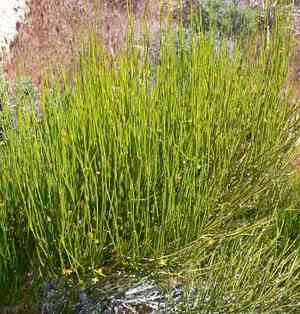
A desert shrub recognized for its robustness and slender, pointed leaves, green Ephedra thrives with judicious trimming to preserve its form and stimulate robust development. Perform pruning during its winter resting phase, judiciously eliminating lifeless or congested branches to improve air movement. Trimming efforts should concentrate on upholding its inherent structure while fostering fresh shoots. Refrain from making extensive cuts, as this can cause distress to the plant. Consistent pruning guarantees vitality and extended life, bolstering this species' durability and visual charm in dry environments.
What Are the Benefits of Pruning Green Ephedra?
What Are the Benefits of Pruning Green Ephedra?
Trimming green Ephedra promotes vigorous development by eliminating dead or crowded branches, enhancing air circulation and light access. Strategic cuts maintain green Ephedra's desired form, improving both plant vitality and visual appeal.
What Is the Best Time for Pruning Green Ephedra?
What Is the Best Time for Pruning Green Ephedra?
Trimming green Ephedra in late winter is advantageous as it coincides with the plant's dormant phase, meaning active growth has temporarily ceased. This timing minimizes stress on green Ephedra, allowing it to conserve energy for the upcoming growing season. Pruning before new spring growth emerges enables green Ephedra's cuts to heal rapidly without diverting resources from leaf development. Furthermore, with minimal foliage, the structure of green Ephedra is more visible, facilitating precise cuts. Late winter pruning also avoids removing new growth that would appear in spring, ensuring the plant's vigor is not compromised. It's also less likely to interfere with flowering or fruiting cycles, which typically occur after growth re-invigorates in spring and summer.
What Tools Do I Need to Prune Green Ephedra?
Hand Pruners
Perfect for snipping small stems and branches of green Ephedra. They ensure clean cuts without harming the plant's structure.
Pruning Saws
Useful for larger branches that hand pruners cannot manage. A pruning saw can quickly handle thicker growth while maintaining accuracy.
Loppers
Offer leverage for cutting medium-sized stems and branches. Their extended handles allow access into dense growth without disturbing surrounding areas.
Gloves
Protection for the gardener's hands, as green Ephedra may possess rough or sharp foliage.
How to Prune Green Ephedra
Cleaning tools
Sanitize pruning shears with alcohol or a bleach solution before beginning to prevent disease transmission to green Ephedra.
Identify parts
Inspect green Ephedra carefully to locate withered leaves, dead, and diseased branches that need removal.
Cut diseased
Trim diseased branches of green Ephedra by making a clean cut at least several inches below the affected area to ensure all diseased tissue is eliminated.
Remove dead
Cut dead branches at their point of origin or back to the main stem to encourage healthy growth and preserve the natural shape of green Ephedra.
Trim withered
Remove withered leaves from green Ephedra to enhance air circulation and light penetration, using an angled cut to prevent water accumulation on the cut surface.
Common Pruning Mistakes with Green Ephedra
Overpruning
Removing too much foliage can stress green Ephedra and impede its ability to photosynthesize effectively, leading to reduced vigor and growth.
Improper cut locations
Making cuts too far from a node can leave stubs vulnerable to pests and disease, while cutting too close can damage growth nodes.
Using dull tools
Blunt pruning tools can cause jagged cuts, which are more susceptible to disease, and can harm the stems of green Ephedra.
Neglecting tool sanitization
Failing to disinfect tools between cuts can spread disease from infected to healthy parts of the plant or between different plants.
Pruning healthy growth
Incorrectly removing new, healthy growth can limit green Ephedra's ability to produce energy and can negatively impact its overall health and shape.
Common Pruning Tips for Green Ephedra
Selective pruning
Targeting dead, diseased, or weak stems for removal helps promote better air circulation and redirects green Ephedra's energy to healthier growth.
Directional pruning
Prune towards the outside of the plant to encourage outward growth, which helps maintain a natural shape and optimizes light penetration.
Tool preparation
Use sharp, clean, and appropriate-sized pruning shears to make clean cuts that heal quickly, reducing the risk of disease.
Sequential pruning
Gradually prune over time rather than all at once to avoid shocking green Ephedra, assessing the plant's response before proceeding further.
Conservative approach
Practice restraint by pruning only what is necessary, as green Ephedra has a slow growth rate and can take time to recover from excessive cutting.



