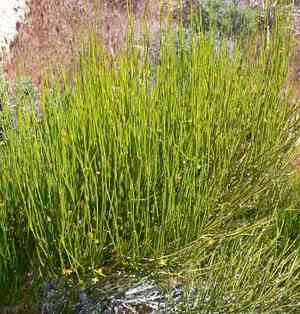
Green Ephedra (Ephedra viridis)
Also known as: Indian Tea
Jimsonweed (Datura stramonium) is commonly found in the arid regions of the western United States. This plant is highly toxic due to its potent alkaloids and should never be ingested without professional guidance. It poses significant risks to humans and livestock, though some wild animals may consume it without harm.
In This Article
Attributes of Green Ephedra
Lifespan
Perennial
Plant Type
Shrub
Plant Height
50 cm to 1.2 m
Spread
1 m to 2 m
Leaf Color
Green
Flower Size
5 mm to 1.02 cm
Flower Color
Yellow Green
Images of Green Ephedra
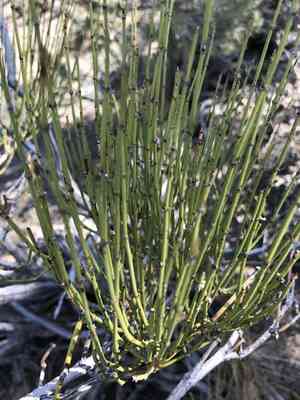
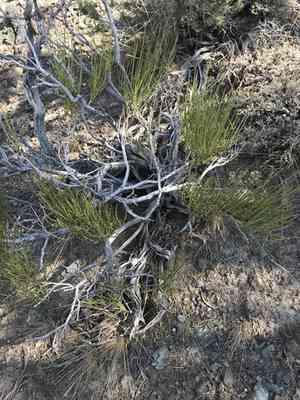
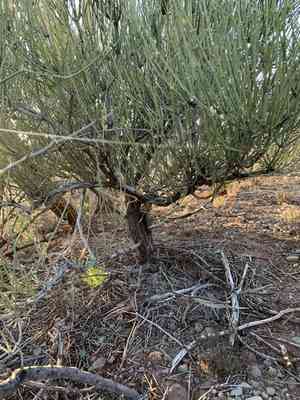
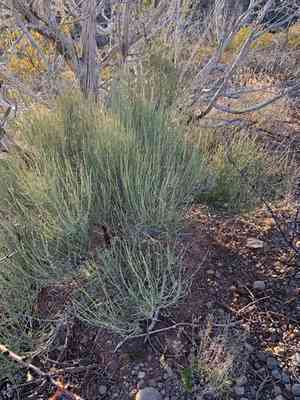
Quickly Identify Green Ephedra
1
To identify Ephedra viridis, look for its jointed, green stems that are often leafless or have very small, scale-like leaves. The plant typically grows in arid and semi-arid regions and produces tiny, inconspicuous flowers.
Scientific Classification of Green Ephedra
Phylum
Vascular plants
Class
Gnetophytes
Order
Ephedrales
Family
Mormon-tea
Genus
Joint-pines
Species
Green Ephedra
Planting and Growing of Green Ephedra
Care Difficulty
Easy
Watering Schedule
Every day
Sunlight Requirements
Full sun
Sunshine Duration
4-8 hours
Ideal Temperature
60-75℉
Soil Type
Potting Mix, Peat Mix
Soil pH
6.5-8
Fertilizer Type
Balanced
Pruning Season
Spring, Summer
Pruning Area
Branches, Leaves
Pruning Frequency
2 times a year
Repotting Season
Spring
Pot Type
Plastic, Terracotta
 How to Water Green Ephedra?
For Ephedra viridis, water should be applied sparingly, simulating the natural rainfall patterns of its native environments. You should aim to provide about 500 milliliters of water per session. Ensuring the soil is dry up to 1 inch deep before each watering helps prevent root rot and maintains the plant's health.
What are the symptoms of an underwatered Green Ephedra?
›
What should I do if my Green Ephedra is not getting enough water?
›
What are the symptoms of an overwatered Green Ephedra?
›
How to save an overwatered Green Ephedra?
›
 What Are the Sunlight Requirements for Green Ephedra?
Full sunlight is essential for Ephedra viridis, ideally six to eight hours daily. This lighting range supports energy-intensive processes like photosynthesis, crucial for robust growth and maintaining vivid plant coloration.
What is the optimal location for Ephedra viridis?
›
How can Ephedra viridis receive enough light indoors?
›
What benefits does ideal lighting provide for Ephedra viridis?
›
 What Is the Ideal Temperature Range for Green Ephedra?
The ideal temperature range for Ephedra viridis cultivation is between 60°F and 75°F. Keeping temperatures within this range will ensure optimal plant health, promote vigorous growth, and enhance its natural resilience against diseases. An environment maintained within these temperatures allows for efficient physiological processes, which is crucial for its adaptive strategies in growth.
 What Soil is Best for Green Ephedra?
Ephedra viridis thrives in soil that boasts excellent drainage capabilities. This adaptation minimizes the risk of root rot in its native desert environments, where rainfall is scarce and drainage is essential for survival. Given its natural habitat in poor, rocky terrains, this plant does not demand highly fertile soil. Its ability to grow in nutrient-deficient soils helps it avoid competition from nutrient-loving plants. Ephedra viridis tolerates slightly alkaline conditions well. Such soil conditions are often present in its native climates, contributing to improved nutrient availability and overall plant health.
 How to Fertilize Green Ephedra?
For Ephedra viridis, apply a balanced liquid fertilizer at half strength. This plant thrives in low-nutrient environments, so over-fertilization can be harmful. Use about 1 tablespoon of liquid fertilizer mixed with one gallon of water per application.
 How to Prune Green Ephedra?
Begin pruning Ephedra viridis in early spring, just before the onset of new growth. Use sharp, clean pruning shears to remove dead or damaged branches first. Then focus on thinning out the plant by removing overcrowded stems. Make cuts just above a node to stimulate new branching. Limit pruning to no more than one-third of the plant in a single session to prevent stress.
More About Pruning Techniques→
 How to Propagate Green Ephedra plant?
1
Gather seeds in spring when the plant has developed mature seeds. Alternatively, take cuttings from young, healthy stems that are disease-free.
2
Use a well-draining soil mix, often involving a combination of sand, perlite, and peat moss, to ensure the roots have adequate drainage.
3
Place seeds or cuttings in the prepared mix and water lightly. Ensure the medium is moist but not waterlogged to prevent root rot.
 How to Repot Green Ephedra plant?
1
Ephedra viridis shows signs of needing repotting when its roots start to circle the pot or protrude through the drainage holes. Another indication is sluggish growth or the plant becoming top-heavy. Spring and Autumn are the ideal seasons to perform this task due to mild temperatures.
2
Select a pot that is slightly larger than the current one with ample drainage holes to prevent waterlogging. A clay or terracotta pot is beneficial as it allows evaporation, which helps prevent root rot—a common issue for this desert plant.
3
Opt for a well-draining sandy mix mimicking its natural habitat. This type of soil is ideal because it prevents excess moisture retention, helping to reduce the risk of root rot while providing adequate aeration for healthy growth.
Toxicity
Ingestion
WARNING
The judgment on toxicity and danger is for reference only. We DO NOT GUARANTEE any accuracy of such judgment. Therefore, you SHALL NOT rely on such judgment. It is IMPORTANT TO SEEK PROFESSIONAL ADVICE in advance when necessary.
Learn More About Green Ephedra Diseases
Bacterial Leaf Spot
Bacterial Soft Rot
Crown Gall
Cyst Nematode
Damping-off
Downy Mildew
Drought Stress
Fusarium Wilt
Gray Mold
Leaf Spot
Mosaic
Nutrient Deficiency
Nutrient Toxicity
Powdery Mildew
Root Rot
Root-knot Nematode
Rusts
Sooty Mold
Spider Mites
Temperature Stress
Thrips Damage
White Mold
Chemical Injury



