How to Prune Zululand cycad?
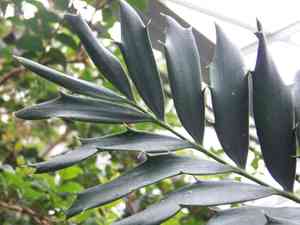
The Zululand cycad, recognized for its sturdy, lustrous, deep green foliage and prominent crimson seeds, thrives with judicious trimming. Sever withered or discolored fronds at their origin during late winter or early spring to foster robust development and elevate visual appeal. Refrain from over-pruning; eliminate solely impaired or aged fronds. Consistent trimming boosts the plant's vitality, deters insect infestations, and preserves its appealing look. Always employ sanitized, keen implements to lessen harm and avert illness.
What Are the Benefits of Pruning Zululand Cycad?
What Are the Benefits of Pruning Zululand Cycad?
Zululand cycad benefits from trimming by promoting robust development and maintaining its form. Regular trimming aids in managing the plant's size, fostering healthy fronds, resisting pests and diseases, and enhancing overall appearance.
What Is the Best Time for Pruning Zululand Cycad?
What Is the Best Time for Pruning Zululand Cycad?
Trimming zululand cycad in late winter or early spring is ideal due to the plant's natural growth cycle. During these periods, zululand cycad is typically dormant, which minimizes stress and encourages healthier regrowth. Pruning just before the active growing season allows zululand cycad to recover more effectively and prepare for new development. Additionally, since zululand cycad may have completed its fruiting or flowering by late winter, pruning then helps remove old or dead fronds, improving the plant's overall look and vitality.
What Tools Do I Need to Prune Zululand Cycad?
Hand Pruners (Bypass Pruners)
Perfect for making clean cuts on smaller, thinner foliage and stems of zululand cycad. They ensure precise cuts without crushing plant tissues.
Loppers
Useful for cutting thicker stems and older fronds of zululand cycad. The long handles provide extra leverage and reach, simplifying the management of tougher plant sections.
Pruning Saw
Essential for removing any large, tough stems or dead fronds of zululand cycad that cannot be managed by hand pruners or loppers. A pruning saw ensures a cleaner cut on these harder parts.
Gloves
Crucial for protecting hands from the sharp, spiny leaves of zululand cycad and ensuring a safer trimming process.
How to Prune Zululand Cycad
Identification
Carefully inspect the plant to pinpoint diseased and withered leaves requiring removal. Look for signs of discoloration, spots, or wilting.
Sanitation
Disinfect pruning tools with a solution of one part bleach to nine parts water to prevent disease spread.
Removal
Using the sanitized pruning shears, cut the diseased leaves back to the plant's base. Make clean cuts to avoid harming healthy tissue.
Disposal
Properly dispose of removed leaves by placing them in a sealed bag and discarding them to prevent the spread of potential diseases.
Inspection
Regularly check the plant for any new signs of disease or wilting and repeat the removal process as needed.
Common Pruning Mistakes with Zululand Cycad
Incorrect technique
Using improper cutting tools or aggressively cutting parts of zululand cycad can lead to infections or plant damage. Always use sharp, clean tools for precise cuts.
Over-pruning
Removing too many leaves at once can stress zululand cycad, hindering its growth and reducing its ability to photosynthesize effectively.
Poor timing
Pruning at the wrong time can disrupt zululand cycad's natural growth cycle, potentially affecting flowering and overall health. Ensure familiarity with the plant's growth patterns before pruning.
Damaging the crown
Cutting too close to the crown can harm the meristem, which is vital for new growth. This error can be detrimental to the plant's health and longevity.
Common Pruning Tips for Zululand Cycad
Tool selection
Utilize clean and sharp pruning shears or a fine-toothed saw for clean cuts. This helps prevent infections and promotes quick healing.
Minimalist approach
Prune sparingly. Only remove dead, damaged, or yellowing leaves, ensuring sufficient foliage remains for effective photosynthesis.
Fanning technique
To encourage a well-structured appearance, trim the oldest leaves first, ensuring the remaining leaves spread out attractively.
Sanitation
Disinfect your tools before and after each pruning session to prevent disease spread. A simple alcohol solution can be used to wipe down the blades.
Careful with new growth
Avoid cutting new leaves or developing flower cones, as they are crucial for zululand cycad's reproductive and growth processes. Focus on mature parts that no longer contribute to the plant's health.



