How to Prune Siberian wildrye?
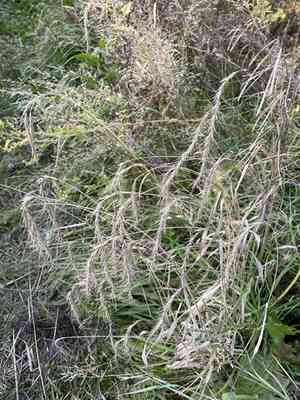
Elymus sibiricus is recognized for its resilience and appealing seed structures. To achieve peak development, trim in late winter or early spring. Eliminate any lifeless or compromised stalks and thin out congested sections to enhance air movement. This fosters more robust development and lowers the likelihood of illness. Trimming prior to the active growth period enables the plant to direct its vitality toward fresh shoots. Always employ sanitized, keen implements to avert pathogen spread and facilitate precise incisions.
What Are the Benefits of Pruning Siberian Wildrye?
What Are the Benefits of Pruning Siberian Wildrye?
Siberian wildrye benefits from trimming as it promotes robust development and maintains its form. Pruning can enhance air movement, decrease pest and illness occurrence, and boost visual appeal.
What Is the Best Time for Pruning Siberian Wildrye?
What Is the Best Time for Pruning Siberian Wildrye?
Trimming or cutting siberian wildrye in early spring allows the plant to gain from the upcoming growth period, encouraging strong new development. This timing also aids in managing the plant's structure and overall health prior to active growth phases. Pruning in winter, when the plant is dormant, minimizes stress and lowers the chance of disease and pests, as wounds heal better during this less active stage. These seasons ensure optimal energy distribution and improve siberian wildrye's health and vitality.
What Tools Do I Need to Prune Siberian Wildrye?
Bypass Pruners
Perfect for making precise cuts on the grass-like stems of siberian wildrye without crushing them. They provide clean cuts which are crucial for the plant's well-being.
Garden Shears
Excellent for trimming larger amounts of siberian wildrye efficiently. They allow for uniform cutting of foliage and help maintain the plant's shape and size.
Hand Scythes
Useful for cutting back extensive areas of siberian wildrye, especially at the close of the growing season or during garden tidying. They can handle more substantial and tougher cutting tasks.
Pruning Saw
While not always essential, a small pruning saw can be helpful for cutting through any thicker bases or stems of siberian wildrye that might develop over time.
How to Prune Siberian Wildrye
Inspect
Examine siberian wildrye closely to find any diseased or withered leaves. Look for discoloration, spots, or softness as signs of illness.
Prepare tools
Sterilize pruning shears with rubbing alcohol to prevent the spread of pathogens that can further harm siberian wildrye.
Remove diseased
Carefully cut away any diseased leaves, trimming well below the affected area to ensure complete removal of the infected parts. Dispose of these leaves away from the garden.
Remove withered
Trim off any withered leaves at their base to encourage healthy growth and improve the plant's overall appearance. Avoid pulling the leaves as this may damage siberian wildrye.
Cleanup
Gather and discard all trimmed leaves to prevent attracting pests or diseases. Dispose of them away from your plantings and sanitize tools again after use.
Common Pruning Mistakes with Siberian Wildrye
Over-pruning
Removing too much of the plant at once can stress siberian wildrye, leading to weakened growth and making it vulnerable to pests and diseases.
Improper technique
Using dull or dirty tools can cause jagged cuts, increasing the risk of infection. Not understanding the plant's growth pattern may result in cutting off important structural parts.
Pruning at the wrong time
Although the best season for pruning is not covered here, pruning at inappropriate times can interfere with the plant's natural growth cycles and stress it unnecessarily.
Neglecting to prune
Failing to prune when needed can lead to overcrowding, poor air circulation, and increased difficulty in managing the plant's shape and health.
Common Pruning Tips for Siberian Wildrye
Use sharp, clean tools
Always prune with sharp, sterilized tools to make clean cuts that heal quickly and reduce the risk of disease.
Understand the growth pattern
Familiarize yourself with how siberian wildrye grows to avoid cutting off vital parts of the plant. Focus on removing any dead, damaged, or diseased stems first.
Tidy up regularly
Perform light, regular pruning to keep siberian wildrye in shape and prevent overgrown, tangled growth. This improves air circulation and sunlight penetration.
Encourage healthy growth
When pruning, aim to thin out older stems to encourage new growth. However, avoid cutting more than one-third of the plant at a time to ensure it remains healthy and vigorous.



