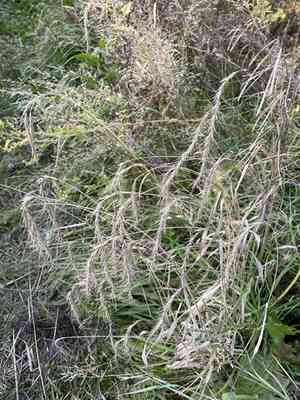
Siberian wildrye (Elymus sibiricus)
Also known as: Siberian wildrye, Wild rye
Siberian wildrye (Elymus sibiricus) is a tough perennial grass well-suited to the harsh climates of Siberia. Characterized by its long, narrow leaves and upright stems that can grow up to a meter tall, it features nodding seed heads. This grass has blue-green foliage that often gains a purplish tint and turns golden brown as temperatures drop. Known for its robust growth and ability to thrive in poor soil, Siberian wildrye is a vital source of forage for grazing animals and exemplifies plant resilience.
In This Article
Attributes of Siberian wildrye
Lifespan
Perennial
Plant Type
Grass
Plant Height
30-150 cm
Spread
N/A
Leaf Color
Bluish-green
Flower Size
0.5-1 cm (individual flowers within the inflorescence)
Flower Color
Green to purplish
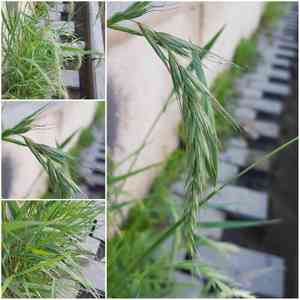
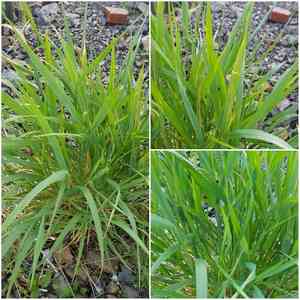
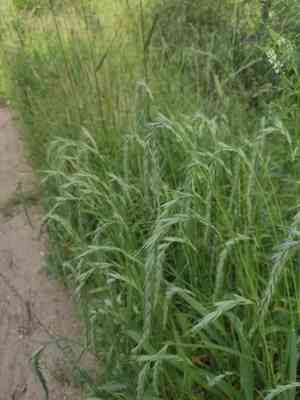
Images of Siberian wildrye
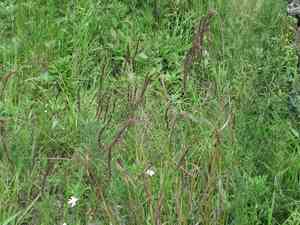
Quickly Identify Siberian wildrye
1
Identifying Elymus sibiricus involves looking for its tall, erect tufts of bluish-green leaves and slender flowering spikes. The seed heads are narrow and elongated, typically displaying a green to purplish hue during the flowering stage.
Scientific Classification of Siberian wildrye
Phylum
Vascular plants
Class
Monocotyledons
Order
Poales
Family
Grass
Genus
Couch grasses
Species
Siberian wildrye
Planting and Growing of Siberian wildrye
Care Difficulty
Easy
Watering Schedule
Every 3 days
Sunlight Requirements
Full sun
Sunshine Duration
4-8 hours
Ideal Temperature
60-77℉
Soil Type
Potting Mix, Peat Mix
Soil pH
6.5-7.5
Fertilizer Type
Balanced
Pruning Season
Spring, Summer
Pruning Area
Branches, Leaves
Pruning Frequency
2 times a year
Repotting Season
Spring
Pot Type
Plastic, Terracotta
 How to Water Siberian wildrye?
For Elymus sibiricus, the watering amount should be about 500 milliliters each time. It's essential to ensure that the soil is moist but not waterlogged. The key principle is to provide enough water to reach the roots, while allowing the top layer of soil to dry slightly between waterings.
What are the symptoms of an underwatered Siberian wildrye?
›
What should I do if my Siberian wildrye is not getting enough water?
›
What are the symptoms of an overwatered Siberian wildrye?
›
How to save an overwatered Siberian wildrye?
›
 What Are the Sunlight Requirements for Siberian wildrye?
Full sun to partial sun is ideal for Elymus sibiricus. This range supports photosynthesis and growth efficiency, ensuring dynamic development and resilience.
What is the ideal amount of sunlight for Elymus sibiricus?
›
What solutions can help Elymus sibiricus get the ideal light conditions?
›
What are the benefits of providing Elymus sibiricus with ideal lighting?
›
 What Is the Ideal Temperature Range for Siberian wildrye?
The ideal temperature range for Elymus sibiricus is between 60°F and 77°F. This range provides optimal growing conditions by ensuring that the plant can photosynthesize efficiently while minimizing stress, which can lead to robust growth and healthy foliage.
 What Soil is Best for Siberian wildrye?
Elymus sibiricus thrives in well-drained soil that prevents waterlogging. Proper drainage ensures that the roots receive enough oxygen, promoting healthy growth and preventing root rot. This plant requires moderately fertile soil, which provides essential nutrients for its development. Overly rich soil may lead to excessive growth, while poor soil can stunt its growth. Maintaining a soil pH between 6.5 to 7.5 is crucial for Elymus sibiricus, as it ensures optimal nutrient absorption. Soil within this pH range supports vigorous growth and reduces nutrient deficiencies.
 How to Fertilize Siberian wildrye?
For Elymus sibiricus, the amount of fertilizer should be carefully measured to avoid overfeeding. A light application of balanced fertilizer, such as a 10-10-10, is recommended. Use about 0.05 pounds per square foot to ensure healthy growth without overwhelming the plant.
 How to Prune Siberian wildrye?
Begin by removing any dead or discolored leaves at the base of the plant. This encourages light and air to reach the healthy parts. Then, trim back any flowering stalks once they have faded. It's important to not cut more than one-third of the grass at a time to avoid stressing the plant. Prune Elymus sibiricus early in the morning or late in the afternoon to prevent the midday sun from scorching freshly cut areas. This helps the plant recover faster and keeps it healthy.
More About Pruning Techniques→
 How to Propagate Siberian wildrye plant?
1
Fill the seed tray with a fine-textured seed-starting mix. Ensure the mix is moist but not waterlogged to provide an optimal environment for seed germination.
2
Scatter the seeds evenly across the surface of the prepared seed tray. Lightly press them into the soil with a gentle hand, but do not bury them too deep as they require light to germinate.
3
Using a spade or garden fork, carefully dig up mature clumps in early spring. Divide into smaller sections ensuring each division has sufficient roots and shoots for regrowth.
 How to Repot Siberian wildrye plant?
1
Keep a close eye on Elymus sibiricus for signs like slow growth or roots poking out of drainage holes. This typically indicates that the plant needs more space for healthy development. Such signals often appear in the spring and summer, when the plant is in its active growth phase.
2
Opt for a pot with proper drainage holes, one size larger than the current pot. Adequate drainage prevents waterlogging, which can lead to root rot, ensuring overall plant health. The material of the pot should also offer stability, whether it's terracotta or plastic.
3
Select a well-draining loam soil, enriched with organic matter. This soil type ensures that plants maintain adequate moisture without becoming waterlogged. A balanced mixture will help retain nutrients and promote healthy growth and root expansion.
Learn More About Siberian wildrye Diseases
Anthracnose
Bacterial Leaf Spot
Bacterial Wilt
Cyst Nematode
Damping-off
Downy Mildew
Drought Stress
Fusarium Wilt
Gray Mold
Leaf Spot
Mosaic
Nutrient Deficiency
Nutrient Toxicity
Powdery Mildew
Root Rot
Root-knot Nematode
Rusts
Sooty Mold
Spider Mites
Temperature Stress
Thrips Damage
White Mold
Chemical Injury



