How to Prune Smooth elephant's foot?
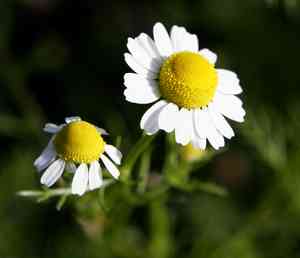
Smooth elephant's foot, a perennial herb, thrives with little maintenance. Essential trimming includes removing faded blossoms to stimulate further flowering and reducing foliage after blooming to preserve its form. The best time for pruning is from spring to autumn, aligning with smooth elephant's foot's peak growth periods. Pruning invigorates plant development, prevents excessive growth, and improves general well-being. Cultivators must use disinfected implements for every cut to avert the dissemination of illnesses.
Advantages of Trimming Smooth Elephant's Foot
Advantages of Trimming Smooth Elephant's Foot
Trimming smooth elephant's foot promotes robust development and helps maintain its desired form. Removing dead or congested stems enhances air circulation, potentially lowering disease incidence while fostering strong health and visual appeal.
Optimal Time for Pruning Smooth Elephant's Foot
Optimal Time for Pruning Smooth Elephant's Foot
Pruning or trimming smooth elephant's foot from late spring to early fall aligns with its active growth phase, enabling swift recovery and directing energy to new growth. Late spring pruning coincides with post-dormancy energy surges, facilitating vigorous regrowth. Summer trimming helps maintain shape and removes spent flowers, improving appearance and encouraging more blooms. Pruning in early fall, before colder temperatures, ensures smooth elephant's foot heals before dormancy, minimizing stress and reducing disease or pest risk. Avoid pruning in late fall or winter when the plant is dormant, as this can weaken smooth elephant's foot and lead to cold weather damage.
Tools Required for Pruning Smooth Elephant's Foot
Bypass Pruners
Perfect for making clean cuts on smooth elephant's foot stems, bypass pruners inflict minimal damage to plant tissues, encouraging faster healing.
Gloves
Protects the gardener's hands from scrapes and potential irritation during the pruning of smooth elephant's foot.
Garden Shears
Useful for trimming larger areas of foliage and shaping smooth elephant's foot if needed, garden shears offer a longer blade than pruners.
Curved Scythe
Suitable for cutting a large section of smooth elephant's foot if it's growing in a naturalized or wild garden, a curved scythe can efficiently manage the task without undue strain on the gardener.
How to Prune Smooth Elephant's Foot
Sanitize tools
Before pruning smooth elephant's foot, disinfect pruning tools with a 1:9 bleach-to-water solution to prevent disease spread.
Remove diseased foliage
Carefully inspect smooth elephant's foot for any diseased leaves. Use your sterilized pruning shears to cut these leaves at their base, without harming the main stem.
Trim withered foliage
Identify any withered or yellowing leaves on smooth elephant's foot. Gently prune these leaves, snipping them off at the stem to encourage new growth.
Eliminate dead branches
Cut away dead or damaged branches from smooth elephant's foot where they meet healthy wood. Make the cut at a 45-degree angle to allow water runoff and reduce disease risk.
Prune diseased branches
Finally, if smooth elephant's foot has any diseased branches, remove them by cutting well into the healthy tissue to prevent disease spread. Seal cuts with pruning paint if necessary.
Common Pruning Errors with Smooth Elephant's Foot
Excessive pruning
A frequent error is removing too much foliage from smooth elephant's foot, which can stress the plant and diminish its vitality.
Incorrect cut placement
Cutting too close or too far from the main stem can harm smooth elephant's foot, either by injuring the stem or leaving unsightly stubs that can invite disease.
Using dull implements
Dull or dirty pruning tools can cause jagged cuts, damage smooth elephant's foot, and potentially introduce pathogens.
Ignoring plant form
Neglecting the natural shape of smooth elephant's foot during pruning can lead to an unbalanced appearance and potentially hinder growth.
General Pruning Advice for Smooth Elephant's Foot
Clean tools
Always use sharp, clean tools when pruning smooth elephant's foot to make precise cuts and minimize disease risk.
Selective trimming
Be selective when pruning smooth elephant's foot, removing only dead, damaged, or diseased tissue to maintain plant health without excessive cutting.
Promote bushiness
Pinch back the tips of young smooth elephant's foot plants to encourage a bushier growth habit and more flowering sites.
Follow natural form
Prune smooth elephant's foot by following its natural growth pattern, which will help maintain its characteristic form and beauty.



