
Smooth elephant's foot (Elephantopus nudatus)
Also known as: Elephant's Foot, Naked Elephant's Foot
Elephantopus nudatus, also called naked elephant's foot, is indigenous to the southeastern United States, extending from Delaware to eastern Texas. This plant typically grows in dry soils found in woodlands and along woodland edges. It belongs to the Asteraceae family, which includes sunflowers and daisies.
In This Article
Attributes of Smooth elephant's foot
Lifespan
Perennial
Plant Type
Herb
Plant Height
1.1 m
Spread
Approximately 1 foot
Leaf Color
Green
Flower Size
Less than 1 inch
Flower Color
Purple
Images of Smooth elephant's foot
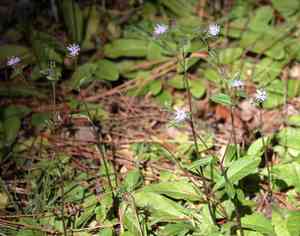
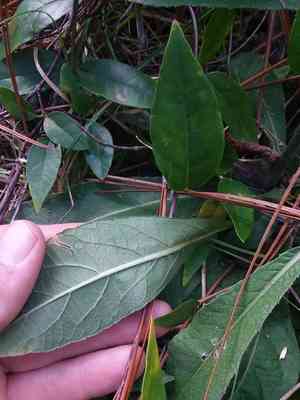
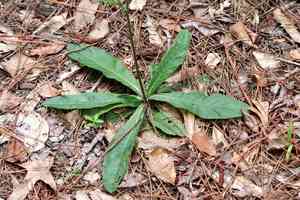
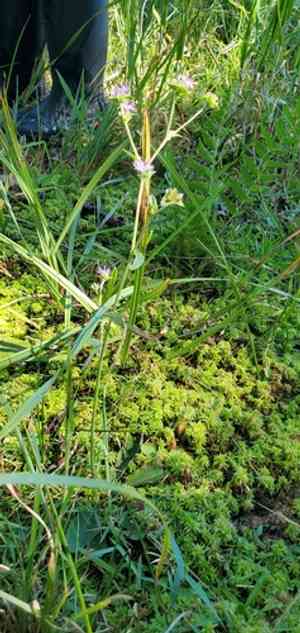
Quickly Identify Smooth elephant's foot
1
Identify Elephantopus nudatus by its hairy leaves that are clustered at the base, along with its erect, branched stems. The flowers are small, purplish, and grouped in a cluster at the top of the stem.
Scientific Classification of Smooth elephant's foot
Phylum
Vascular plants
Class
Dicotyledons
Order
Asterales
Family
Daisy
Genus
Elephantsfoots
Species
Smooth elephant's foot
Planting and Growing of Smooth elephant's foot
Care Difficulty
Easy
Watering Schedule
Every 2 days
Sunlight Requirements
Partial sun
Sunshine Duration
6-10 hours
Ideal Temperature
65-75℉
Soil Type
Potting Mix, Peat Mix
Soil pH
6.5-7.5
Fertilizer Type
Balanced
Pruning Season
Spring, Summer
Pruning Area
Branches, Leaves
Pruning Frequency
2 times a year
Repotting Season
Spring
Pot Type
Ceramic, Plastic
 How to Water Smooth elephant's foot?
Water Elephantopus nudatus with about 250 milliliters per session. This plant thrives best when its soil remains slightly moist without becoming waterlogged. The goal is to maintain a balance where the roots receive consistent moisture without sitting in standing water, which could lead to root rot.
What are the symptoms of an underwatered Smooth elephant's foot?
›
What should I do if my Smooth elephant's foot is not getting enough water?
›
What are the symptoms of an overwatered Smooth elephant's foot?
›
How to save an overwatered Smooth elephant's foot?
›
 What Are the Sunlight Requirements for Smooth elephant's foot?
Partial sun ensures optimal growth, while full sun maximizes flowering potential. Proper light exposure enables robust growth and vibrant, numerous blossoms, essential for its ornamental appeal.
Optimal Sunlight Hours
›
Sunlight Solutions
›
Benefits of Optimal Light
›
 What Is the Ideal Temperature Range for Smooth elephant's foot?
Elephantopus nudatus thrives best in temperatures ranging from 65°F to 75°F. This range supports its metabolic processes and ensures robust growth. When kept in these temperatures, the plant can efficiently photosynthesize and uptake nutrients, leading to healthy development.
 What Soil is Best for Smooth elephant's foot?
Elephantopus nudatus thrives best in well-drained soil. This type of soil prevents waterlogging and root rot, ensuring healthy root development and better absorption of nutrients. For optimal growth, soil should be nutrient-rich. An adequately fertile soil supplies essential nutrients that contribute to the robust growth and flowering of the plant. The ideal soil for this plant retains moderate levels of moisture, balancing between dryness and dampness. This helps maintain adequate hydration without drowning the roots.
 How to Fertilize Smooth elephant's foot?
Elephantopus nudatus thrives well in nutrient-poor soils, so it requires minimal fertilizer. Apply a diluted solution, such as a quarter of the recommended dose for liquid fertilizer, to avoid over-fertilization.
 How to Prune Smooth elephant's foot?
Begin by assessing the plant to identify the parts that require pruning. Look for any dead, diseased, or damaged leaves and stems. Start by removing all the dead and unhealthy foliage first to encourage new growth. Cut close to the base without harming the main stem. Carefully trim any overgrown branches to maintain the desired shape of the plant. This promotes uniform growth and better sunlight exposure. After pruning, ensure to clean up fallen leaves and debris around the plant base to prevent disease and pest development.
More About Pruning Techniques→
 How to Propagate Smooth elephant's foot plant?
1
Collect seeds from mature Elephantopus nudatus plants when the flowers have faded, and the seed heads have dried. It's best to do this in the late summer when the seeds are fully mature. Store them in a cool, dry place until you're ready to plant.
2
Fill a seed tray with a sterile seed-starting mix. Sow the seeds on the surface and lightly press them into the soil. Do not bury them too deep, as they need light to germinate. Cover the tray with a clear plastic lid to maintain humidity and place it in a warm spot.
3
Use a misting bottle to keep the soil consistently moist. Avoid using a watering can that might wash away the seeds. Ensure the tray stays in a warm place, ideally between 65-75°F. Seeds should germinate in 2-3 weeks. Remove the plastic cover once the seedlings emerge.
 How to Repot Smooth elephant's foot plant?
1
Repot Elephantopus nudatus when roots outgrow the current pot or soil becomes compact. Notice wilting despite watering or roots appearing on the soil surface—these signal it's time to repot.
2
Select a pot that is 1-2 inches larger in diameter than the current one. A slightly larger pot provides adequate space for root growth while preventing waterlogged soil, which is crucial for a well-aerated root system.
3
Opt for a well-draining sandy soil to mimic its natural habitat. This type of soil ensures proper root aeration and prevents root rot, which is vital for the health of Elephantopus nudatus.
Learn More About Smooth elephant's foot Diseases
Anthracnose
Bacterial Leaf Spot
Bacterial Soft Rot
Bacterial Wilt
Black Spot
Chemical Injury
Crown Gall
Cyst Nematode
Damping-off
Downy Mildew
Drought Stress
Fusarium Wilt
Gray Mold
Leaf Spot
Mosaic
Nutrient Deficiency
Nutrient Toxicity
Powdery Mildew
Root Rot
Root-knot Nematode
Rusts
Sooty Mold
Spider Mites
Temperature Stress
Thrips Damage
White Mold



