How to Prune Soft elephantsfoot?
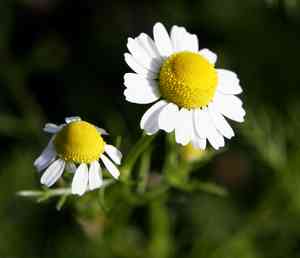
This enduring herb, recognized by its plush leaves and purple blossoms, flourishes with infrequent trimming. For soft elephantsfoot, snip off faded flowers to stimulate additional blooming and eliminate any compromised or drooping foliage to preserve its well-being and appearance. The most effective time for pruning is during spring and summer to sculpt the plant and foster robust development. Consistent removal of spent blooms aids soft elephantsfoot by deterring self-propagation and encouraging an orderly growth pattern. Employ sanitized, keen implements to prevent the spread of pathogens.
What Are the Benefits of Pruning Soft Elephantsfoot?
What Are the Benefits of Pruning Soft Elephantsfoot?
Trimming soft elephantsfoot promotes robust development and helps maintain its desired form, ensuring the plant stays healthy and visually pleasing.
What Is the Best Time for Pruning Soft Elephantsfoot?
What Is the Best Time for Pruning Soft Elephantsfoot?
Pruning or trimming soft elephantsfoot during spring and early summer aligns with the plant's natural growth cycle, allowing it to recover and grow more vigorously after pruning. In spring, soft elephantsfoot is emerging from dormancy and beginning its active growth phase, making it the perfect time to shape the plant and remove any damaged or diseased parts. This fosters healthier development and encourages more blooms in its flowering season. Early summer pruning, post-flowering, can help in managing the plant's size and removing spent flowers, which can promote a second bloom. Additionally, these seasons typically provide soft elephantsfoot with suitable weather conditions for healing and minimization of stress. It is vital to avoid pruning during late summer or fall, as this can stimulate new growth susceptible to damage by the approaching cold weather.
What Tools Do I Need to Prune Soft Elephantsfoot?
Bypass Pruners
Ideal for making clean cuts on soft elephantsfoot stems without crushing plant tissue, aiding in rapid healing.
Garden Scissors
Perfect for trimming and shaping the softer, smaller parts of soft elephantsfoot, allowing for precise cuts without harming nearby stems or leaves.
Pruning Shears
Effective for cutting through thicker soft elephantsfoot stems that smaller garden scissors might struggle with, ensuring a clean cut for healthy regrowth.
How to Prune Soft Elephantsfoot
Clean tools
Sanitize pruning shears with rubbing alcohol or a bleach solution to prevent disease spread when trimming soft elephantsfoot.
Remove diseased leaves
Cut off any diseased leaves at their base where they attach to the stem, ensuring a clean cut without tearing to minimize stress on soft elephantsfoot.
Remove withered leaves
Prune away withered leaves by following their stem down to the point of healthy growth on soft elephantsfoot and cutting cleanly to promote healthy foliage and airflow.
Cut diseased stems
Identify and remove any diseased stems on soft elephantsfoot by cutting them down to the base or to the nearest healthy node, using angled cuts to prevent water accumulation.
Dispose of trimmed material
Discard all removed diseased and withered material away from soft elephantsfoot to decrease the risk of reinfection or further disease spread.
Common Pruning Mistakes with Soft Elephantsfoot
Over pruning
Removing too much foliage from soft elephantsfoot at once can stress the plant, potentially leading to stunted growth or a weakened state that invites pests and diseases.
Improper cutting
Soft elephantsfoot requires cuts to be made at a 45-degree angle just above a leaf node or bud to prevent water accumulation that could cause rot or disease.
Using dull tools
Dull pruning tools can damage soft elephantsfoot's stems, creating jagged cuts that heal poorly and are more susceptible to disease.
Pruning healthy growth
It is a mistake to remove healthy growth indiscriminately, as this can limit soft elephantsfoot's ability to photosynthesize and thrive.
Neglecting sanitation
Not cleaning pruning tools before and after use on soft elephantsfoot can spread disease between plants.
Common Pruning Tips for Soft Elephantsfoot
Selective pruning
Target only the dead, diseased, or overgrown parts of soft elephantsfoot, ensuring to make clean cuts that will heal swiftly.
Pruning density
Thin out dense areas to improve air circulation, which is essential for soft elephantsfoot's overall health and preventing fungal issues.
Encouraging flowers
Pinch back the tips of soft elephantsfoot during the growing season to promote bushier growth and, subsequently, more flowers.
Post-bloom pruning
After soft elephantsfoot has flowered, cut back the spent blooms to encourage a second wave of blooming.
Tool maintenance
Maintain sharp, clean pruning tools to make precise cuts that will cause less stress and heal faster on soft elephantsfoot.
Height reduction
If height control is necessary, prune soft elephantsfoot back by no more than one-third of its total height to maintain a lush appearance without over-stressing the plant.



