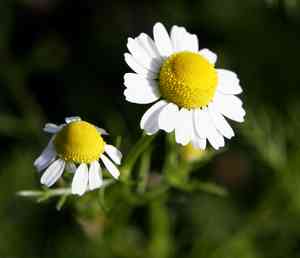
Soft elephantsfoot (Elephantopus mollis)
Also known as: False tobacco, Elephant's foot
Beggar's-tick (Bidens pilosa) is a low-growing perennial herb prevalent in tropical climates, where it is often regarded as a noxious weed. It forms dense ground cover, outcompeting other plants. Its seeds are notorious for sticking to animals and clothing, facilitating its spread.
In This Article
Attributes of Soft elephantsfoot
Lifespan
Perennial
Plant Type
Herb
Plant Height
20 cm
Spread
Approximately 0.3 to 0.6 meters
Leaf Color
Green
Flower Size
2 cm
Flower Color
White Yellow Pink Purple
Images of Soft elephantsfoot
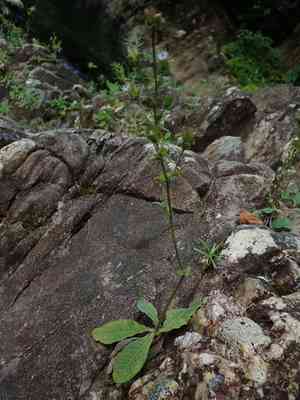
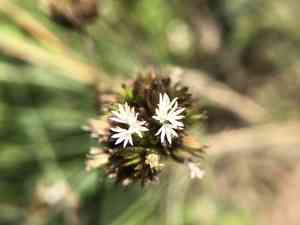
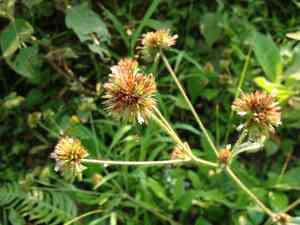
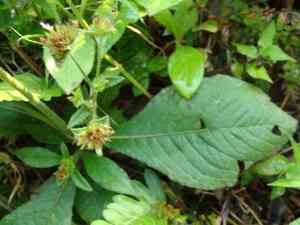
Quickly Identify Soft elephantsfoot
1
Look for a rosette of broad, hairy leaves at the base. The leaves are deeply lobed and can appear soft and woolly. The plant typically has a single stem that shoots up with clusters of small, purple flowers.
Scientific Classification of Soft elephantsfoot
Phylum
Vascular plants
Class
Dicotyledons
Order
Asterales
Family
Daisy
Genus
Elephantsfoots
Species
Soft elephantsfoot
Planting and Growing of Soft elephantsfoot
Care Difficulty
Easy
Watering Schedule
Every 2 days
Sunlight Requirements
Full sun
Sunshine Duration
6-10 hours
Ideal Temperature
68-77℉
Soil Type
Potting Mix, Peat Mix
Soil pH
6.5-7.5
Fertilizer Type
Balanced
Pruning Season
Spring, Summer
Pruning Area
Branches, Leaves
Pruning Frequency
2 times a year
Repotting Season
Spring
Pot Type
Terracotta, Plastic
 How to Water Soft elephantsfoot?
When watering Elephantopus mollis, aim to provide about 250 ml of water each time. The goal is to moisten the soil evenly without causing waterlogging. Ensure the top inch of the soil feels dry before watering again, allowing the plant to sufficiently uptake moisture without stress.
What are the symptoms of an underwatered Soft elephantsfoot?
›
What should I do if my Soft elephantsfoot is not getting enough water?
›
What are the symptoms of an overwatered Soft elephantsfoot?
›
How to save an overwatered Soft elephantsfoot?
›
 What Are the Sunlight Requirements for Soft elephantsfoot?
Elephantopus mollis prospers in environments where it receives full to partial sun. The balanced lighting fosters vigorous growth and ensures resilience against pests and diseases, making the plant robust and healthy.
More About Sunlight Requirements Techniques→
How much sunlight does it need?
›
What is the optimal solution for ideal lighting?
›
What benefits does ideal sunlight provide?
›
 What Is the Ideal Temperature Range for Soft elephantsfoot?
For optimal growth, Elephantopus mollis thrives best in temperatures between 68°F and 77°F. These temperatures mimic their native environment and provide the essential warmth necessary for healthy growth and development. Maintaining these temperatures helps ensure robust foliage and vibrant blooms, contributing to the plant's overall vigor.
 What Soil is Best for Soft elephantsfoot?
Elephantopus mollis benefits immensely from well-drained soils as it prevents waterlogging, which can lead to root rot. Ensuring proper drainage maintains optimal plant health and promotes robust growth. This plant thrives in nutrient-rich soils which provide essential minerals and nutrients necessary for its lush foliage and vibrant blooms. Regularly amending the soil with organic matter can aid in maintaining the soil fertility required for this species. Maintaining moderate moisture levels in the soil is crucial for Elephantopus mollis. Too much or too little water can stress the plant, affecting its development. Ideal watering ensures that the plant can uptake nutrients efficiently, leading to a healthier plant.
 How to Fertilize Soft elephantsfoot?
Elephantopus mollis, known for its resilience, doesn't require heavy fertilization. A balanced, half-strength liquid fertilizer can be used bi-weekly during the growing season. Ensure not to exceed the recommended amount as the plant is adapted to thrive in nutrient-limited soils.
 How to Prune Soft elephantsfoot?
Begin by assessing your Elephantopus mollis for dead or damaged leaves or stems. Cut back these sections to just above the healthy node, promoting new growth and the overall health of the plant. Ensure that you cut at a slight angle to allow water runoff. Pruning regularly also helps in maintaining the desired shape and size of your plant. Finish by tidying up any stray stems that might be disrupting the overall symmetry. In instances where Elephantopus mollis becomes overgrown, don't hesitate to prune more aggressively, cutting back up to a third of the plant. This will reinvigorate your plant, allowing for a more controlled renewal of foliage and maintenance of a manageable size. Remember, over-pruning can be detrimental, so balance is key to avoid stressing the plant. Always dispose of your Elephantopus mollis cuttings properly, especially if you've removed diseased or infested parts. This prevents the diseases from spreading to other plants or areas of your garden. Compost only the healthy plant material, and discard the rest securely, away from your garden's vicinity.
More About Pruning Techniques→
 How to Propagate Soft elephantsfoot plant?
1
Begin by filling a seed tray with a well-draining potting mix. Sow the seeds evenly across the surface, cover lightly with soil, and water gently. Keep the tray in a warm, well-lit area.
2
Identify healthy stems and use pruning shears to make a cutting about 4-6 inches long. Remove lower leaves and dip the cut end in rooting hormone before planting in a moist substrate.
3
Carefully remove the plant from its pot. Gently separate the root ball into smaller sections, ensuring each has roots and shoots. Replant the divisions into individual pots with fresh soil.
 How to Repot Soft elephantsfoot plant?
1
Repot Elephantopus mollis when you notice its roots emerging from drainage holes or when the plant appears top-heavy. Another sign is slowed growth, indicating the soil is exhausted of nutrients. Spring or summer is ideal, as the plant can better recover from transplant shock during its active growth period.
2
Choose a pot that is one size larger than the current one. Ideally, the pot should have ample drainage holes to prevent waterlogging, which can lead to root rot. A terracotta pot is a good option as it allows airflow to the roots, promoting healthier growth.
3
Opt for a well-draining, sandy loam soil rich in organic matter. This soil mixture ensures adequate drainage while retaining the essential nutrients needed by Elephantopus mollis. Proper soil selection is crucial as it prevents root rot and other moisture-related issues.



