How to Prune Knotted spikerush?
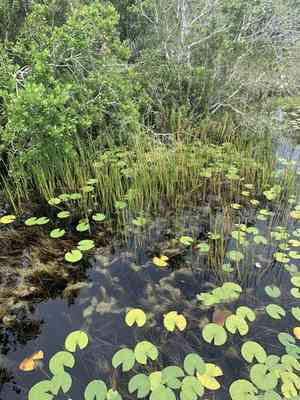
Eleocharis equisetiformis, recognized for its clustered habit and unique segmented look, thrives with yearly trimming to preserve its vitality and form. The most suitable periods for this maintenance are in early spring and during winter. Remove any lifeless or injured stalks and reduce dense sections, which improves air movement and light exposure. Consistent trimming can boost the plant's general robustness and curb its aggressive expansion. Always employ sanitized, keen implements to avert the spread of pathogens and facilitate precise incisions.
What Are the Benefits of Pruning Knotted Spikerush?
What Are the Benefits of Pruning Knotted Spikerush?
Knotted spikerush benefits from trimming to encourage vigorous growth and maintain its form. Pruning helps reduce density, improves air circulation, and stimulates robust new shoots, contributing to the plant's resilience and overall vitality.
What Is the Best Time for Pruning Knotted Spikerush?
What Is the Best Time for Pruning Knotted Spikerush?
Trimming knotted spikerush during early spring and winter is optimal due to its growth cycle. Early spring pruning allows the plant to recover and grow strongly during the active season, leading to healthier and more robust development. Winter pruning, when the plant is dormant, reduces stress and minimizes the risk of disease entering through fresh cuts. These periods are best as they avoid active growth and flowering, ensuring minimal disruption to the plant's natural progression and fostering a strong, healthy structure.
What Tools Do I Need to Prune Knotted Spikerush?
Bypass Pruners
Perfect for clean cuts without crushing stems. Ideal for light trimming and shaping of knotted spikerush.
Hand Shears
Effective for detailed trimming and shaping. They allow for close cuts and help manage the plantâs form.
Long-handled Scissors
These are useful for reaching into the dense, clump-like growth of knotted spikerush without harming nearby stems.
Garden Gloves
Essential for protecting your hands while trimming. They help prevent minor cuts and keep debris off your skin.
Pruning Knife
Good for thinning and making clean, precise cuts. Helps manage crowded areas within knotted spikerush.
How to Prune Knotted Spikerush
Observation
Examine knotted spikerush carefully for any diseased or withered foliage. Use a keen eye to distinguish between healthy and compromised leaves.
Sanitization
Before trimming, sterilize your pruning tools with a solution of one part bleach to nine parts water to prevent the spread of pathogens.
Cut
Trim diseased leaves by making a clean cut at the base of the affected leaf stem using sharp, sanitized scissors or pruning shears. Dispose of the diseased material away from the plant area to prevent contamination.
Trim withered
Remove withered leaves by gently pulling or cutting them off at the base, ensuring no damage to healthy parts. If the leaves do not come away easily, use sanitized pruning shears.
Cleanup
Collect all trimmed parts and dispose of them properly. Clean your pruning tools again after use to maintain hygiene and readiness for future trimming.
Common Pruning Mistakes with Knotted Spikerush
Over-pruning
Removing too much of knotted spikerush can weaken the plant and impede its growth.
Improper tools
Using dull or unsuitable tools can cause damage to the stems and overall structure of knotted spikerush.
Incorrect technique
Cutting at the wrong angle or too close to the base can lead to poor regrowth and potential disease entry points.
Pruning at the wrong growth stage
Trimming knotted spikerush when it is not actively growing can result in poor recovery and stunted growth.
Ignoring plant health
Failing to remove dead or diseased parts can allow problems to spread, compromising the health of knotted spikerush.
Common Pruning Tips for Knotted Spikerush
Use sharp tools
Always use sharp, clean tools to make precise cuts and minimize damage to knotted spikerush.
Remove dead material
Regularly remove any dead or diseased stems to promote healthy growth and prevent disease spread.
Cut above nodes
Make cuts just above a node or joint, ensuring the plant can regrow effectively from that point.
Maintain shape
Lightly prune to maintain the plantâs natural shape, ensuring adequate sunlight reaches the base of knotted spikerush.
Monitor growth
Keep an eye on the plantâs growth patterns to determine the best time for minor adjustments and avoid major pruning all at once.



