How to Prune African oil palm?
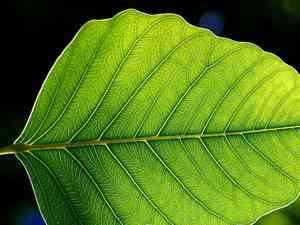
A primary origin of vegetable oil, the African oil palm flourishes in equatorial environments, distinguished by its pinnate leaves and substantial fruit clusters. Crucial trimming entails reducing foliage, eliminating withered or discolored leaves, and severing fruit stems following harvest for revitalization. The most effective pruning occurs in early spring or late winter, coinciding with the plant's developmental phase and lessening strain. This focused pruning guarantees enhanced air movement, improved light exposure, and fosters more robust, higher-yielding plants.
What Are the Benefits of Pruning African Oil Palm?
What Are the Benefits of Pruning African Oil Palm?
Trimming african oil palm promotes robust development, diverting energy from old fronds to foster new, healthy foliage. It helps maintain the plant's form, optimizing space and light exposure.
What Is the Best Time for Pruning African Oil Palm?
What Is the Best Time for Pruning African Oil Palm?
Pruning african oil palm in late winter or early spring is ideal as these periods precede the plant's active growth. This timing allows for rapid healing without stressing the plant during dormancy. Furthermore, removing old fronds before the growth cycle begins can improve light penetration and air circulation, boosting the plant's overall health and yield. Pruning before the fruiting season ensures energy is directed towards fruit production, crucial for african oil palm's output. It also lowers the risk of pest infestations and diseases, which are more common in dense, untrimmed foliage. This schedule avoids the wet season when pruning wounds are more vulnerable to fungal infections.
What Tools Do I Need to Prune African Oil Palm?
Pole Saw
For cutting fronds on african oil palm which can grow very tall, a pole saw is necessary to reach high branches safely from the ground.
Machete
This tool is ideal for detaching the fruit bunches from african oil palm, as well as clearing away smaller fronds and suckers due to its sharp and heavy blade.
Pruning Saw
When dealing with thicker fronds and branches, a pruning saw provides the necessary cutting strength, which is essential for african oil palm maintenance.
Loppers
For precision work and cutting through smaller branches and mid-sized fronds on african oil palm, loppers offer good leverage and control.
Safety Gear
Protective clothing, gloves, and eye protection are essential when pruning african oil palm due to the potential for falling debris and sharp tool usage.
How to Prune African Oil Palm
Cleaning Tools
Sanitize pruning tools before starting to prevent the spread of disease to african oil palm.
Identification
Inspect african oil palm to identify diseased and withered leaves that require removal.
Pruning Diseased Leaves
Carefully prune diseased leaves at the base, avoiding damage to the nearby healthy tissue of african oil palm.
Pruning Withered Leaves
Trim withered leaves using a sharp, clean cutting tool to make a clean cut, which promotes healing and regrowth in african oil palm.
Disposal
Dispose of the removed leaves safely to prevent the possibility of disease spread in african oil palm.
Common Pruning Mistakes with African Oil Palm
Over-Pruning
Removing too many fronds from african oil palm can weaken the plant, disrupt its growth, and make it more susceptible to disease.
Injury To Trunk
Cutting too close to the trunk when pruning fronds can damage the african oil palm's trunk and create entry points for pests and diseases.
Imprudent Tool Usage
Using dull or dirty pruning tools can cause ragged cuts that heal poorly and increase the risk of infection in african oil palm.
Incorrect Frond Removal
Removing green fronds instead of just the older, yellowing, or dead ones can limit african oil palm's photosynthetic capability and reduce its growth.
Disregarding Safety
Failing to wear protective clothing and eyewear when pruning african oil palm can lead to injury from the plant's sharp fronds and falling debris.
Common Pruning Tips for African Oil Palm
Selective Pruning
Focus on removing only dead or dying fronds, fruit bunches, and flowers from african oil palm to avoid over-prunning and ensure adequate photosynthesis.
Clean Cuts
Make clean cuts using sharp and sanitized tools to promote quick healing and reduce the risk of disease in african oil palm.
Proper Technique
Use a pruning saw or secateurs for smaller fronds and a machete or chainsaw for larger ones, ensuring cuts are made at an appropriate distance from the trunk of african oil palm.
Safety Gear
Always wear safety gear including gloves, long sleeves, eye protection, and a hard hat when pruning african oil palm to protect against sharp fronds and falling debris.
Waste Disposal
Properly dispose of the cut fronds and other plant materials to reduce habitat for pests that may affect the health of african oil palm.



