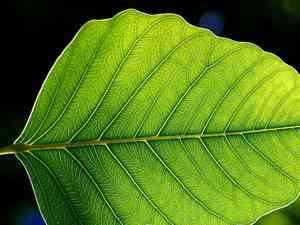
African oil palm (Elaeis guineensis)
Also known as: Palm oil
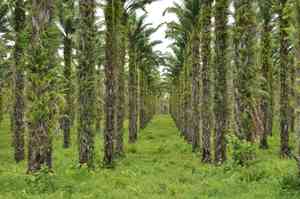
The African oil palm (Elaeis guineensis) can grow up to 20 meters tall and is extensively cultivated for its oil, which is derived from both the fruit pulp and the seed kernel. Originally from West and Southwest Africa, it has spread and become naturalized in numerous regions worldwide.
In This Article
Attributes of African oil palm
Lifespan
Perennial
Plant Type
Tree
Plant Height
20 m
Spread
5 m
Leaf Color
Green
Flower Size
1 cm
Flower Color
Yellow Green Brown
Images of African oil palm
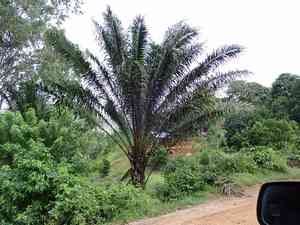
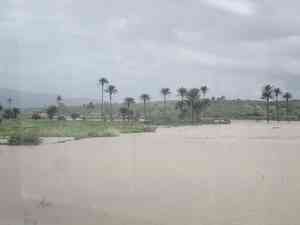
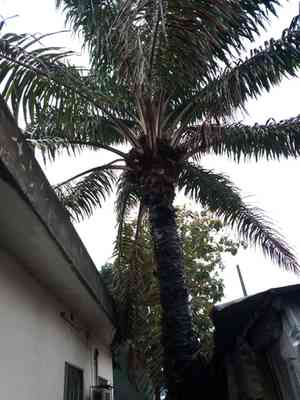
Quickly Identify African oil palm
1
Identify Elaeis guineensis by its feather-like fronds, with leaflets arranged in a V-shape along the central stem. The trunk is straight and singular, and the palm produces clustered, reddish-orange fruit.
Scientific Classification of African oil palm
Phylum
Vascular plants
Class
Monocotyledons
Order
Arecales
Family
Palm
Genus
Oil palms
Species
African oil palm
Planting and Growing of African oil palm
Care Difficulty
Hard
Watering Schedule
Every 2 days
Sunlight Requirements
Full sun
Sunshine Duration
6-10 hours
Ideal Temperature
77-86℉
Soil Type
Potting Mix, Peat Mix
Soil pH
4-7
Fertilizer Type
Balanced
Pruning Season
Spring, Summer
Pruning Area
Branches, Leaves
Pruning Frequency
2 times a year
Repotting Season
Spring
Pot Type
Plastic, Ceramic
 How to Water African oil palm?
For Elaeis guineensis, known as the African oil palm, it is crucial to provide thorough watering that mimics its native tropical environment. Each session should consist of approximately 3000 milliliters of water. The aim is to sufficiently moisturize the deep root system, ensuring the soil is continually moist but never waterlogged. Consistent moisture levels are key to a healthy palm, as this plant thrives in consistently moist conditions typical of rainforests.
What are the symptoms of an underwatered African oil palm?
›
What should I do if my African oil palm is not getting enough water?
›
What are the symptoms of an overwatered African oil palm?
›
How to save an overwatered African oil palm?
›
 What Are the Sunlight Requirements for African oil palm?
Elaeis guineensis prefers full sun, accommodating environments with abundant, direct light exposure. Ideal light supports vigorous growth and healthier fruit yields, confirming the plant's full potential and resilience.
More About Sunlight Requirements Techniques→
What is the best environment for Elaeis guineensis?
›
How to achieve optimal sunlight exposure for Elaeis guineensis?
›
How does ideal light enhance Elaeis guineensis growth?
›
 What Is the Ideal Temperature Range for African oil palm?
The ideal temperature range for Elaeis guineensis, commonly known as the African oil palm, is between 77°F and 86°F. This temperature range optimizes its growth rate and fruit production. The plant thrives in this warm environment, which simulates its native tropical climate. It is crucial for the photosynthesis process and overall health of the plant to be maintained within this range.
 What Soil is Best for African oil palm?
Elaeis guineensis thrives in nutrient-rich loamy soils that provide essential minerals and organic matter, supporting optimal growth and maximizing oil yield. Adequate drainage prevents waterlogging in Elaeis guineensis roots, reducing the risk of root diseases and promoting healthy plant development. Sandy loam soils with adequate moisture retention ensure consistent water supply, crucial for the plant's oil production and overall vitality.
 How to Fertilize African oil palm?
Elaeis guineensis, also known as the African oil palm, requires a balanced approach to fertilization. For this plant, use around 200 grams of a balanced NPK (Nitrogen-Phosphorus-Potassium) fertilizer per plant during each application, ensuring even coverage around the root zone to promote robust growth and optimal oil production.
 How to Prune African oil palm?
Begin by locating mature fronds that have turned yellow or brown. These can be safely removed as they no longer contribute to photosynthesis and can hinder the plant's growth. Using your sharp tools, cut the frond at the base, close to the trunk. Make sure the cuts are clean and straight to allow the plant to heal faster and minimize disease risk. Check for dead flowers and fruit bunches, and remove them promptly. This helps the plant focus its energy on healthy growth rather than sustaining dead tissues.
More About Pruning Techniques→
 How to Propagate African oil palm plant?
1
Before sowing, soak Elaeis guineensis seeds in water for 48 hours to soften the seed coat. This enhances germination rates, as it allows moisture to penetrate the seed more easily.
2
Sow prepared seeds in seed trays filled with a well-draining seed-starting mix. Cover lightly with soil and maintain constant moisture, avoiding waterlogging which can hinder germination.
3
Using a sterile scalpel, excise a healthy tissue sample from the mother plant. Place it on a culture medium under sterile conditions to encourage cell division and plantlet formation.
 How to Repot African oil palm plant?
1
Elaeis guineensis should be repotted when roots protrude from the drainage holes or when growth becomes sluggish. These are signs that the plant requires more space to continue flourishing. Typically, repotting in spring or early summer provides the ideal growing conditions.
2
Choose a pot that is slightly larger than the current one, with good drainage holes. A larger pot supports better root development, allowing the palm to access more nutrients and thrive. The material of the pot should also promote root aeration, such as unglazed clay or terracotta.
3
Opt for a well-draining soil mix that's rich in organic matter. This ensures that the palm receives ample nutrients while avoiding waterlogging, which can lead to root rot. Incorporating sand or perlite can enhance drainage significantly, ensuring the health of Elaeis guineensis.



