How to Prune Devil's potato?
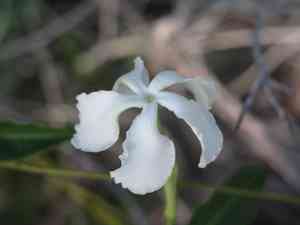
Devil's potato is a tropical climbing plant recognized for its shiny foliage and aromatic blossoms. Trim devil's potato during late winter or early spring, concentrating on eliminating deceased, injured, or excessively dense stems to foster robust development and enhanced air movement. Consistent trimming aids in managing its rapid expansion and shaping the specimen. Always utilize sanitized, keen implements to avert illness. For optimal outcomes, refrain from extensive cutting during its peak growth period to lessen strain.
What Are the Benefits of Pruning Devil's Potato?
What Are the Benefits of Pruning Devil's Potato?
Trimming devil's potato encourages robust development and maintains its desired form, fostering a healthy, well-structured plant. Pruning helps manage its size, enhances air circulation, and decreases the likelihood of pest and disease problems.
What Is the Best Time for Pruning Devil's Potato?
What Is the Best Time for Pruning Devil's Potato?
Trimming or cutting back devil's potato in early spring or late winter is optimal as it aligns with the plant's dormant phase. During dormancy, devil's potato's metabolic processes slow, reducing pruning stress and promoting healthier regrowth. This timing also ensures pruning occurs before the active growth season and new shoots emerge, aiding in shaping the plant and removing dead or diseased wood without impeding flowering or fruiting. Additionally, pruning during these cooler months can minimize the risk of pest or disease infestation.
What Tools Do I Need to Prune Devil's Potato?
Hand Pruners
Hand pruners are essential for devil's potato to trim smaller stems and branches up to half an inch thick, ensuring clean cuts without damaging the plant.
Loppers
Loppers are ideal for devil's potato to cut medium-sized branches up to an inch in diameter, providing extra leverage and control for tougher cuts.
Bypass Pruners
Bypass pruners are recommended for devil's potato as they make clean, precise cuts on live wood, promoting healthy regrowth and preventing disease.
Pruning Saw
A pruning saw is necessary for devil's potato to tackle larger branches over an inch thick, allowing for accurate and clean cuts without crushing the stems.
Pole Pruner
For devil's potato, a pole pruner helps reach higher branches without the need for a ladder, ensuring safe and efficient pruning.
How to Prune Devil's Potato
Inspection
Carefully examine devil's potato for any signs of diseased or withered leaves. Look for discoloration, spots, or soft, decaying areas as these are indicators of issues that need attention.
Tool prep
Clean and sterilize your pruning shears or scissors by wiping them with alcohol or a bleach solution to prevent the spread of disease to healthy parts of devil's potato.
Cut diagonal
Make a diagonal cut through the stem under the diseased or withered leaf. This helps the plant heal more efficiently and reduces water loss. Ensure the cut is at least a few inches below the affected area.
Disposal
Immediately remove and dispose of the trimmed parts in a sealed bag or bin to prevent the spread of any potential disease to other parts of devil's potato or surrounding plants.
Sanitization
After pruning, sanitize your tools again to ensure they are clean and ready for future use. This helps maintain the overall health of devil's potato and your garden.
Common Pruning Mistakes with Devil's Potato
Over-pruning
One of the most frequent errors is removing too much of the plant, which can stress devil's potato and inhibit its growth and flowering potential.
Improper Cutting Techniques
Using dull or dirty pruning tools can damage the plant tissue, making devil's potato more susceptible to disease and pests.
Ignoring Dead or Damaged Material
Failing to remove dead, diseased, or damaged branches can lead to the spread of pathogens and compromise the plant's overall health.
Pruning at the Wrong Nodes
Cutting back to the wrong points can hinder the plant's ability to produce new growth and flowers.
Common Pruning Tips for Devil's Potato
Use Sharp, Clean Tools
Always ensure your pruning shears or scissors are sharp and disinfected to make clean cuts and prevent disease transmission.
Remove Dead or Diseased Wood First
Start by cutting away any dead, diseased, or damaged branches to improve air circulation and light penetration, which supports healthier growth.
Make Proper Cuts
Prune just above a leaf node or bud to encourage new growth. This helps devil's potato to focus its energy on vigorous blooms and foliage.
Moderate Pruning
Prune moderately to maintain the plant's shape and encourage robust growth without overwhelming devil's potato. Removing too much at once can be counterproductive.
Regular Inspection
Regularly inspect devil's potato to identify and address problems early. Consistent, light pruning encourages a healthier, more manageable plant.



