How to Prune Upright burhead?
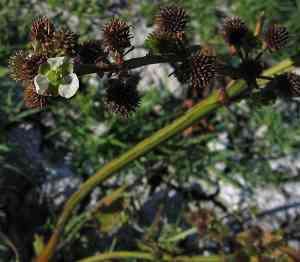
Celebrated for its abundant greenery, upright burhead thrives in watery or partially submerged settings. Efficient trimming entails judiciously removing the mature leaves from the lower section to stimulate vigorous development and preserve its visual charm. The ideal time for trimming is throughout the spring and summer seasons when the plant is actively expanding. Consistent trimming not only improves the plant's look but also fosters more robust and compact growth. This routine guarantees that upright burhead persists in flourishing and exhibiting its impressive characteristics.
What Are the Benefits of Pruning Upright Burhead?
What Are the Benefits of Pruning Upright Burhead?
Trimming upright burhead promotes robust development and helps maintain its desired form. Regular removal of old or overgrown leaves encourages healthier, denser growth and improves the plant's visual appeal.
What Is the Best Time for Pruning Upright Burhead?
What Is the Best Time for Pruning Upright Burhead?
The ideal seasons for trimming or shaping upright burhead are Spring and Summer. These periods are optimal as they align with upright burhead's active growth phase, allowing for quick recovery and fostering healthier, thicker growth. Spring pruning helps eliminate winter damage and shapes the plant early in its cycle. Summer pruning is beneficial for maintaining size and form, and for removing any old or diseased foliage that could impact overall health. Additionally, pruning before colder months helps prevent winter stress on freshly trimmed plants.
What Tools Do I Need to Prune Upright Burhead?
Hand Pruners
Perfect for cutting through the softer, fleshy stems of upright burhead. They are easy to use and precise, making them ideal for trimming without harming nearby leaves or stems.
Pruning Scissors
Excellent for detailed shaping and refining upright burhead due to their sharp blades and precise control. They enable accurate cuts, promoting healthier growth and maintaining the desired structure.
Gardening Shears
Useful when upright burhead has dense growth that needs thinning. Their long blades facilitate quick, clean cuts across multiple stems simultaneously, improving light penetration and air circulation within the plant.
How to Prune Upright Burhead
Identify
Examine and evaluate the state of upright burhead's leaves and stems. Begin by looking for any diseased leaves or stems, which typically appear discolored, spotted, or wilted.
Sterilize
Sanitize your pruning tools to prevent disease transmission. Clean sharp scissors or pruning shears with a solution of one part bleach to nine parts water.
Remove leaves
Carefully remove all diseased and withered leaves. Cut these leaves at their base where they connect to the stem, being careful not to tear or damage the stem.
Remove stems
Trim any diseased stems by cutting them back to the base or to a healthy offshoot, using your sterilized shears. Make clean cuts to encourage faster healing.
Cleanup
Gather and dispose of all pruned debris. Keeping the area clear of fallen leaves and debris helps prevent the development of fungal diseases and other pests.
Common Pruning Mistakes with Upright Burhead
Overpruning
Removing too much foliage from upright burhead at once can stress the plant, leading to weakened growth and reduced vigor. It is a common error to prune aggressively in an attempt to shape or size down the plant excessively.
Improper cut locations
Cutting upright burhead's stems too close to the foliage clumps or nodes can harm the plant. Incorrect cut locations may prevent new growth and potentially introduce diseases at the cut sites.
Using dull tools
Utilizing dull pruning tools can lead to jagged cuts that are more prone to infection and disease. This also makes the pruning process more tedious and damaging to the plant's structure.
Neglecting health checks
Failing to inspect upright burhead for signs of pests or diseases before pruning can lead to the inadvertent spread of issues. It's important to address any health concerns before cutting to ensure healthy regrowth.
Common Pruning Tips for Upright Burhead
Selective pruning
Focus on removing only dead or yellowing leaves from upright burhead to enhance its appearance and promote healthier growth. This selective approach encourages the plant to dedicate energy to developing robust new foliage and flowers.
Sterilize tools
Always use sterilized pruning shears or scissors to prevent transmitting pathogens to upright burhead's cuts. This can be achieved simply by wiping the blades with rubbing alcohol or a bleach solution before and after use.
Optimal cut angle
Make cuts at a 45-degree angle just above leaf nodes to encourage new growth in upright burhead. This angle helps to promote faster healing and reduces the risk of water accumulation, which can lead to disease.
Post-pruning care
After pruning upright burhead, provide adequate water and a balanced fertilizer to support recovery and new growth. This care is particularly crucial to ensure the plant remains robust and can flourish post-pruning.



