How to Prune Nichol's hedgehog cactus?
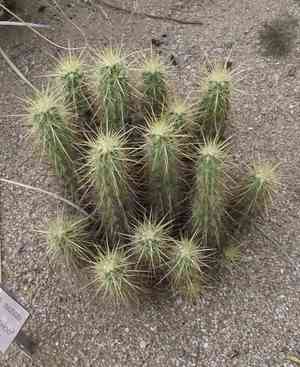
The Nichol's hedgehog cactus, characterized by its distinctive columnar stalks and vivid blossoms, needs very little trimming. The best period for this is either early spring or late winter. Detach any lifeless or infected sections with disinfected instruments, making sure to make precise cuts at the stem junctions. Refrain from excessive trimming to avert plant stress. Pruning improves air circulation and diminishes problems with pests, fostering more robust development. Handle with care to avoid the plant's sharp spines, and always use protective gloves. Adhering to these guidelines will ensure the Nichol's hedgehog cactus stays lively and free from ailments.
What Are the Benefits of Pruning Nichol's Hedgehog Cactus?
What Are the Benefits of Pruning Nichol's Hedgehog Cactus?
Trimming nichol's hedgehog cactus encourages robust growth and helps maintain its form. This fosters healthy development, boosts blooming, manages size, improves aesthetics, and aids in resistance to pests and diseases.
What Is the Best Time for Pruning Nichol's Hedgehog Cactus?
What Is the Best Time for Pruning Nichol's Hedgehog Cactus?
Pruning nichol's hedgehog cactus from late winter to early spring is optimal as this period aligns with the plant's dormant or slow-growth phase. Trimming at this time helps reduce plant stress and lowers the risk of infections or pest infestations. Furthermore, as nichol's hedgehog cactus enters its active growth phase in spring, it can quickly recover from pruning cuts, promoting healthier development. Avoid pruning during peak growing season or flowering, as this can hinder bloom production and overall plant health.
What Tools Do I Need to Prune Nichol's Hedgehog Cactus?
Long-handled Pruning Shears
Pruning shears with extended handles are crucial for nichol's hedgehog cactus to reach between spines without injury risk. These shears enable precise cuts from a safe distance.
Protective Gloves
Heavy-duty protective gloves are essential when handling nichol's hedgehog cactus to shield your hands from its sharp spines.
Sanitizing Solution
An alcohol or bleach mixture is necessary to disinfect tools before and after pruning nichol's hedgehog cactus to prevent disease spread.
How to Prune Nichol's Hedgehog Cactus
Assess
Carefully examine nichol's hedgehog cactus to identify any diseased or withered foliage that requires removal. Use clean pruning shears or a sharp knife for accuracy.
Disinfect
Sanitize your tools with a solution of one part bleach to nine parts water to prevent the spread of diseases. This is vital when dealing with affected parts of nichol's hedgehog cactus.
Trim diseased leaves
Gently remove any diseased leaves by cutting them as close to the base as possible without harming the healthy sections of nichol's hedgehog cactus. Dispose of the infected material away from other plants to avoid contamination.
Trim withered leaves
Carefully trim withered leaves, ensuring to cut just above where the leaf connects to the main stem or body. Avoid cutting into the healthy tissue of nichol's hedgehog cactus to minimize plant stress.
Monitor
After pruning, regularly observe nichol's hedgehog cactus for any signs of new disease or stress. Proper aftercare includes checking the plant's environment and watering schedule to encourage healthy recovery and growth.
Common Pruning Mistakes with Nichol's Hedgehog Cactus
Using improper tools
Employing unclean or unsuitable tools can harm the plant and introduce infections or diseases. Specifically, dull or rusted blades should be avoided, and tools must be sanitized prior to use.
Over-pruning
Removing too many segments or parts of the cactus can severely stress the plant and hinder its growth and flowering. It's crucial to understand the plant's natural growth pattern and prune sparingly.
Pruning young plants
Trimming young or immature cacti can inhibit their growth potential and lead to stunted development. It's best to allow the plant to reach maturity before considering any significant pruning.
Incorrect cutting technique
Making jagged or improper cuts can damage plant tissue, leading to slow healing and increased vulnerability to pests and diseases. Clean, precise cuts are essential.
Ignoring signs of stress
Failing to recognize and address signs of plant stress, such as discoloration or soft spots, before pruning can worsen underlying issues. Always ensure the plant is healthy before proceeding with pruning.
Common Pruning Tips for Nichol's Hedgehog Cactus
Using the right tools
Always use clean and sharp pruning shears or knives. Sterilize tools with rubbing alcohol before and after each use to prevent disease transmission.
Minimal intervention
Nichol's hedgehog cactus typically requires minimal trimming. Remove only dead, damaged, or diseased segments to prevent unnecessary stress and promote healthier growth.
Make clean cuts
Ensure cuts are smooth and made at an angle, which helps the plant heal more effectively and reduces the risk of water entering the wound and causing rot.
Observe after pruning
After pruning, monitor nichol's hedgehog cactus for any signs of stress or infection. This includes changes in color, texture, or firmness. Immediate action should be taken if any adverse symptoms appear.
Disinfect wounds
After making cuts, apply a fungicidal solution or powdered sulfur to the wounds to protect against fungal infections. This is particularly important given the plant's susceptibility to rot.



