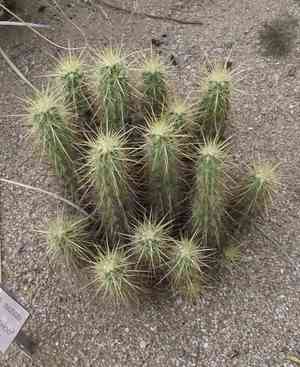
Nichol's hedgehog cactus (Echinocereus nicholii)
Also known as: Nichol's Hedgehog Cactus
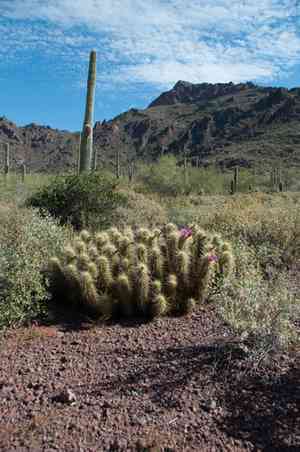
Nichol's hedgehog cactus thrives in desert environments, showcasing its ability to endure dry conditions. This cactus features cylindrical, ribbed green stems adorned with clusters of spines that vary in color from white to reddish-brown. These spines serve to protect the cactus from predators and provide shade from the scorching sun. In the spring, it produces striking magenta to deep pink flowers, which attract pollinators and stand out vividly against the arid landscape.
In This Article
Attributes of Nichol's hedgehog cactus
Lifespan
Perennial
Plant Height
15-30 cm
Spread
10-20 cm
Leaf Color
N/A (as it\'s a cactus)
Flower Size
5-10 cm
Flower Color
Pink to magenta
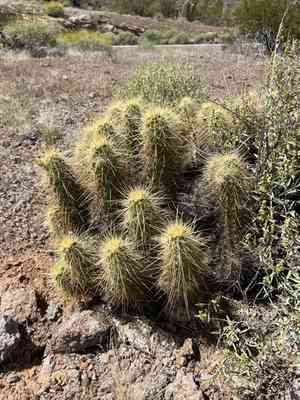
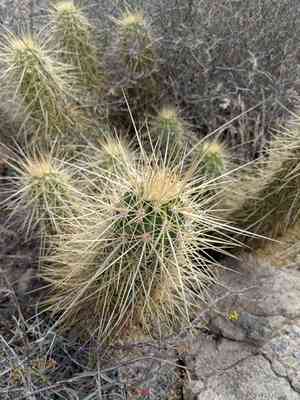
Images of Nichol's hedgehog cactus
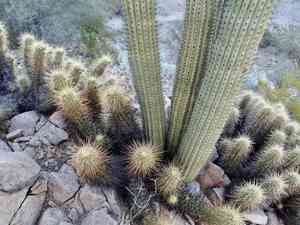
Quickly Identify Nichol's hedgehog cactus
1
Identify Echinocereus nicholii by its cylindrical, ribbed stems that are covered in spines. The flowers are typically bright and large, emerging from the upper part of the stem.
Scientific Classification of Nichol's hedgehog cactus
Phylum
Vascular plants
Class
Dicotyledons
Order
Caryophyllales
Family
Cactuses
Genus
Hedgehog cactus
Species
Nichol's hedgehog cactus
Planting and Growing of Nichol's hedgehog cactus
Care Difficulty
Moderate
Watering Schedule
Every day
Sunlight Requirements
Full sun
Sunshine Duration
6-8 hours
Ideal Temperature
65-75℉
Soil Type
Potting Mix, Peat Mix
Soil pH
6.5-7.5
Fertilizer Type
Balanced
Pruning Season
Spring, Summer
Pruning Area
Branches, Leaves
Pruning Frequency
2 times a year
Repotting Season
Spring
Pot Type
Plastic, Ceramic
 How to Water Nichol's hedgehog cactus?
When watering Echinocereus nicholii, it's essential to ensure the soil is thoroughly soaked, allowing excess water to drain out. This cactus thrives on the 'soak and dry' method, where the soil should dry out completely between waterings. A typical watering session would require approximately 100ml, ensuring the roots absorb what they need without being waterlogged.
What are the symptoms of an underwatered Nichol's hedgehog cactus?
›
What should I do if my Nichol's hedgehog cactus is not getting enough water?
›
What are the symptoms of an overwatered Nichol's hedgehog cactus?
›
How to save an overwatered Nichol's hedgehog cactus?
›
 What Are the Sunlight Requirements for Nichol's hedgehog cactus?
Echinocereus nicholii thrives in full sun, ideally basking in 6 to 8 hours of direct sunlight daily. Such conditions support the plant's bloom cycle and enhance its photosynthetic efficiency, crucial for growth and survival.
What is the ideal light exposure?
›
How to ensure optimal sunlight availability?
›
Benefits of receiving ideal lighting?
›
 What Is the Ideal Temperature Range for Nichol's hedgehog cactus?
The ideal temperature range for growing Echinocereus nicholii, commonly known as a type of hedgehog cactus, generally falls between 65°F and 75°F. This range allows for optimal photosynthesis and metabolic activities, promoting healthy growth and vibrant flowering. Maintaining this temperature can help in simulating their natural habitat conditions, enhancing overall plant health and longevity.
 What Soil is Best for Nichol's hedgehog cactus?
Echinocereus nicholii thrives in well-draining soil which prevents water from collecting around its roots, thereby reducing the risk of root rot. It allows for quick water runoff, essential for maintaining healthy cactus roots. This cactus prefers soil low in organic matter, mimicking its natural desert habitat. Nutrient-poor environments help prevent over-fertilization, which can be harmful to the cactus. Loosely packed soil allows for air circulation around the roots, providing the oxygen they need. Aerated soil enhances root health and promotes robust growth for Echinocereus nicholii.
 How to Fertilize Nichol's hedgehog cactus?
The appropriate amount of fertilizer for Echinocereus nicholii depends on both the type and concentration of the product you use. Generally, for liquid fertilizers, a diluted solution around half-strength is commonly advised, whereas slow-release granules should be used sparingly around the base of the plant to avoid overdose.
 How to Prune Nichol's hedgehog cactus?
When pruning Echinocereus nicholii, ensure you have sharp, sterilized pruning shears or a small knife to prevent infection. A pair of thick gardening gloves is essential to protect your hands from the cactus spines. Start by examining the cactus for any damaged, diseased, or dead parts. These can be carefully trimmed away at the base, ensuring not to disturb healthy growth. For shaping purposes, remove excess growth at the joints, making clean cuts to avoid ragged edges.
More About Pruning Techniques→
 How to Propagate Nichol's hedgehog cactus plant?
1
Choose a mature and healthy Echinocereus nicholii for propagation. This ensures that the new plants will inherit the robust traits of the parent, increasing the chances of successful propagation.
2
Use a sterile knife to take cuttings approximately 10 cm in length from healthy, disease-free stems. Let the cut ends dry out for a couple of days to form a callus before planting.
3
Sow seeds in a well-draining cactus mix, lightly covering them with soil. Maintain a warm environment, around 20-25°C, to encourage germination, which may take several weeks.
 How to Repot Nichol's hedgehog cactus plant?
1
Repot Echinocereus nicholii when you notice it becoming root-bound, with roots visibly circling the pot's inside. Another sign could be slowed growth or water retention issues as it rapidly outgrows its present container. Ideally, repot during the spring or summer to minimize stress.
2
Select a pot that is slightly larger than the current one, ensuring it has adequate drainage holes. Terracotta is a great option as it breathes and helps evaporate any excess moisture, crucial for preventing root rot in cacti like Echinocereus nicholii.
3
Opt for a well-draining cactus soil mix enriched with sand or perlite. This soil type encourages proper aeration and drainage, which are critical for preventing waterlogging and promoting healthy root development in your Echinocereus nicholii.



