How to Prune Verity's liveforever?
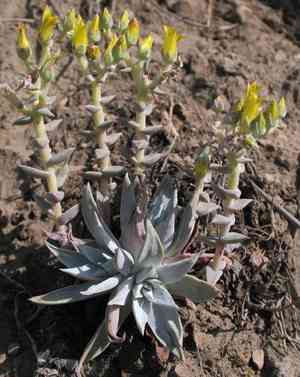
Sedum telephium 'Verity's Liveforever', recognized for its fleshy rosettes and resilience to arid conditions, thrives with trimming in the initial part of spring or the latter part of winter. Eliminate withered or compromised foliage to uphold the plant's well-being and visual appeal. Refrain from extensive cutting since Sedum telephium 'Verity's Liveforever' relies on its leaves for moisture retention. Pruning stimulates fresh development and deters ailments. Employ sanitized, keen implements to execute accurate incisions, thereby lessening harm. Consistent examination and gentle shaping enhance Sedum telephium 'Verity's Liveforever's vigor and ornamental quality in line with established horticultural guidelines.
What Are the Benefits of Pruning Verity's Liveforever?
What Are the Benefits of Pruning Verity's Liveforever?
Verity's liveforever benefits from trimming to encourage vigorous growth and maintain its form. Pruning aids in removing dead or unhealthy sections, decreases vulnerability to pests, and fosters healthier, more robust foliage and overall plant structure for optimal development.
What Is the Best Time for Pruning Verity's Liveforever?
What Is the Best Time for Pruning Verity's Liveforever?
Trimming or cutting back verity's liveforever from late winter to early spring is optimal, as this period coincides with the end of dormancy and the onset of new growth. Pruning at this time minimizes plant stress and promotes healthy, strong growth as the plant enters its active season. Additionally, pruning before the blooming phase ensures the plant's energy is directed towards producing flowers and new growth rather than recovering from trimming.
What Tools Do I Need to Prune Verity's Liveforever?
Pruning shears
Perfect for precise cuts on small, delicate stems. Verity's liveforever has compact growth, making these shears ideal for maintaining its shape.
Tweezers
Useful for removing dead leaves or insects without harming the plant. Essential given the small and delicate rosette structure of verity's liveforever.
Alcohol wipes
Necessary for sanitizing tools before and after use to prevent the spread of pathogens that can harm verity's liveforever.
How to Prune Verity's Liveforever
Inspect
Examine verity's liveforever thoroughly for any diseased or withered foliage that may require removal.
Prepare tools
Sterilize pruning shears or scissors to prevent disease transmission. Use a solution of one part bleach to nine parts water.
Trim
Carefully remove any diseased leaves by cutting them at the base where they meet the stem. Dispose of these leaves away from the plant area to prevent contamination.
Withered trim
Clip off any withered leaves by gently cutting them close to the base, ensuring not to damage the healthy parts of verity's liveforever.
Monitor
After pruning, regularly observe verity's liveforever for any new signs of disease or further wilting to maintain its health.
Common Pruning Mistakes with Verity's Liveforever
Over-pruning
Removing too many leaves or stems at once can stress verity's liveforever, reducing its ability to photosynthesize and grow properly.
Improper cutting techniques
Using dull or dirty cutting tools can lead to jagged cuts and increase the risk of infection or disease.
Pruning at the wrong time
Pruning during periods of active growth can inhibit verity's liveforever's development and compromise its vital functions.
Common Pruning Tips for Verity's Liveforever
Use sharp and clean tools
Always use sterile and sharp pruning shears to make clean cuts, reducing the likelihood of disease transmission and ensuring faster healing.
Remove dead or damaged leaves
Focus on pruning dead or damaged leaves first, which helps the plant direct nutrients to healthier parts and improves overall appearance.
Avoid heavy pruning
Perform light pruning only to prevent unnecessary stress and maintain the plant's natural shape. Less is more when it comes to pruning verity's liveforever.
Inspect regularly
Regularly check verity's liveforever for any signs of disease or damage, and remove affected parts promptly to prevent spread and maintain plant health.



