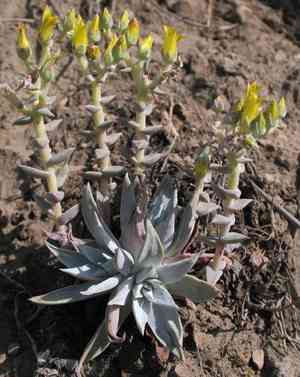
Verity's liveforever (Dudleya verityi)
Also known as: Verity's liveforever
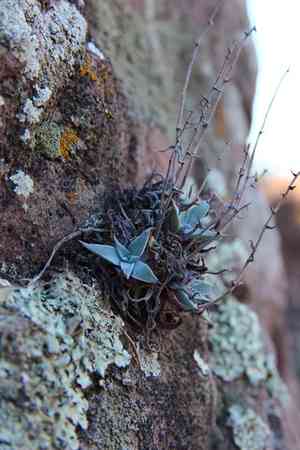
Verity's liveforever (Dudleya verityi) is a notable succulent characterized by its thick, tapering leaves that form compact rosettes. These leaves, ranging in green to bluish tones, are designed to store water, making the plant highly adapted to the dry coastal areas of California. Its vibrant red-orange flowers are particularly striking, contrasting with the muted leaf color and efficiently attracting pollinators. The plant's waxy leaf coating reduces water loss, while its low, rosette structure helps conserve moisture and minimize sun exposure, making it well-suited to its arid environment.
In This Article
Attributes of Verity's liveforever
Lifespan
Perennial
Plant Type
Succulent
Plant Height
1 m
Spread
1 m
Leaf Color
Bluish-green
Flower Size
Approximately 1 cm
Flower Color
Pink or white
Images of Verity's liveforever
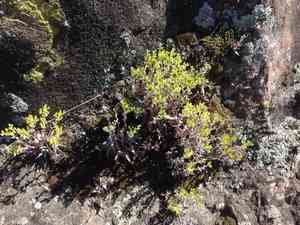
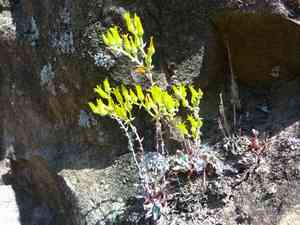
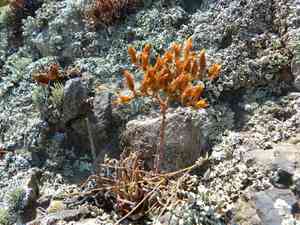
Quickly Identify Verity's liveforever
1
Clustering rosette succulent with numerous rosettes on branched stems.
2
Grayish, glaucous leaves wider near tip, 1-2 inches (2.5-5 cm) long.
3
Rosette expands up to 18 inches (46 cm) wide, individual rosette 2-3 inches (5-7.6 cm).
4
Late spring to summer blooms of small bright yellow flowers with greenish midribs.
5
Inflorescence with purple-tinged bases located just above the foliage.
Scientific Classification of Verity's liveforever
Phylum
Vascular plants
Class
Dicotyledons
Order
Saxifragales
Family
Stonecrop
Genus
Liveforevers
Species
Verity's liveforever
Planting and Growing of Verity's liveforever
Care Difficulty
Hard
Watering Schedule
Every day
Sunlight Requirements
Full sun
Sunshine Duration
6-8 hours
Ideal Temperature
60-75℉
Soil Type
Potting Mix, Peat Mix
Soil pH
6.5-7.5
Fertilizer Type
Balanced
Pruning Season
Spring, Summer
Pruning Area
Branches, Leaves
Pruning Frequency
2 times a year
Repotting Season
Spring
Pot Type
Plastic, Ceramic
 How to Water Verity's liveforever?
When it comes to Dudleya verityi, it's crucial to mimic its natural, drought-prone habitat. Water sparingly, only 100 ml each time, allowing the soil to dry completely between waterings. This ensures that the plant's roots receive just enough moisture to sustain it without risking rot, maintaining the balance of desert-like conditions.
What are the symptoms of an underwatered Verity's liveforever?
›
What should I do if my Verity's liveforever is not getting enough water?
›
What are the symptoms of an overwatered Verity's liveforever?
›
How to save an overwatered Verity's liveforever?
›
 What Are the Sunlight Requirements for Verity's liveforever?
Dudleya verityi ideally requires partial to full sun. Optimal light ensures healthy growth and prevents etiolation, keeping the plant compact and colorful.
What is the best lighting condition for Dudleya verityi?
›
How can I ensure my Dudleya verityi gets the ideal light?
›
What are the benefits of optimal lighting for Dudleya verityi?
›
 What Is the Ideal Temperature Range for Verity's liveforever?
The ideal temperature range for Dudleya verityi lies between 60°F and 75°F. Maintaining this temperature range ensures optimal photosynthesis and growth rates. It replicates their native climate conditions and helps prevent stress on the plant, which could otherwise lead to stunted growth.
 What Soil is Best for Verity's liveforever?
Dudleya verityi thrives in well-draining soil to prevent root rot, a common issue in succulents. Ensuring proper drainage mimics its natural rocky habitat, allowing the roots to breathe and protect against over-moisture. This plant prefers nutrient-poor soil, similar to its native conditions. Such a substrate restricts excessive growth, maintaining the plant's natural compact form and intensifying its beautiful rosette structure. The soil should retain a moderate amount of moisture to support Dudleya verityi's need for occasional hydration without waterlogging the roots, as it is adapted to arid climates with sporadic rainfall.
 How to Fertilize Verity's liveforever?
When fertilizing Dudleya verityi, less is more. Use a diluted liquid fertilizer at about one-quarter of the standard houseplant recommendation, as these succulents are not heavy feeders. Over-fertilizing can be detrimental, causing faster growth not suited to their natural compact form.
 How to Prune Verity's liveforever?
Take your sharp pruners and gently cut away the dead leaves at the base of the plant. Be careful not to damage the healthy leaves or the stem. Use gentle pressure and precision to avoid harming the plant. This will help ensure that your Dudleya verityi stays robust and vibrant. After completing the pruning process, ensure you disinfect your tools. This helps to prevent any transmission of disease to other plants. Use a solution of water and bleach or alcohol wipes for effective cleaning. Thoroughly dry your tools to prevent rust and ensure longevity.
More About Pruning Techniques→
 How to Propagate Verity's liveforever plant?
1
Collect seeds from a mature Dudleya verityi plant. Ensure seeds are thoroughly dried and stored correctly before planting to promote successful germination.
2
Select healthy stems and use a sharp, sterile knife to cut. Allow cuttings to callous over before planting in a well-draining medium to encourage root growth.
3
Once seeds or cuttings are planted, water them lightly. Avoid waterlogging to prevent root rot. Adjust watering based on humidity and temperature.
 How to Repot Verity's liveforever plant?
1
Dudleya verityi shows signs that it's time for a new pot when the roots start poking out of the drainage holes, or its growth becomes stunted. Look for compacted soil or an overgrown appearance. Spring and autumn are ideal times when the plant is not in active growth, minimizing stress during transition.
2
Choose a pot that is slightly larger than the current one, with ample drainage holes to facilitate proper water flow. A terracotta pot is excellent as it allows for breathability, preventing the roots from becoming waterlogged. This choice ensures the plant's roots remain healthy, promoting growth and vitality.
3
Opt for a well-draining succulent mix enriched with perlite or coarse sand. A gritty texture emulates the plant's natural habitat, reducing the risk of overwatering. The right soil blend provides essential aeration, allowing Dudleya verityi to flourish by replicating its arid native conditions.



