How to Prune Slimleaf drymary?
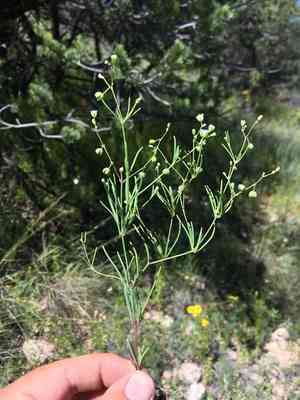
Slimleaf drymary flourishes when pruned in early spring or late winter, which perfectly matches its natural development. To preserve its refined form, remove any excessively long or compromised stalks, facilitating light access and air movement. This initial seasonal trimming also stimulates fresh, vigorous development. Exercise caution not to remove more than one-third of the plant at once, thereby preventing shock and fostering strong vitality. Consistent upkeep will ensure slimleaf drymary remains verdant, controllable, and aesthetically pleasing.
What Are the Benefits of Pruning Slimleaf Drymary?
What Are the Benefits of Pruning Slimleaf Drymary?
Pruning Slimleaf Drymary encourages robust development, maintains its form, and manages its dimensions. This fosters vigorous growth and keeps it manageable, improving its look and effectively warding off pests and diseases.
What Is the Best Time for Pruning Slimleaf Drymary?
What Is the Best Time for Pruning Slimleaf Drymary?
Trimming Slimleaf Drymary in early spring and late winter is optimal as it coincides with the plant's dormant or initial growth phases. Late winter pruning can stimulate new growth as the plant prepares for its active season. Early spring trimming removes winter damage and shapes the plant before its full growth and flowering period. Pruning at these times promotes healthier growth, improves air circulation, and enhances the plant's overall vitality and bloom potential.
What Tools Do I Need to Prune Slimleaf Drymary?
Hand Pruners
Perfect for small, delicate plants like Slimleaf Drymary due to their precision and ability to make clean cuts on thin stems.
Bypass Pruners
Excellent for making clean cuts without crushing stems, crucial for maintaining the health of Slimleaf Drymary.
Pruning Shears
Useful for more significant trimming tasks, helping manage and shape Slimleaf Drymary effectively while ensuring clean cuts.
Fine-Tipped Scissors
Ideal for detailed work and reaching into tight spaces within Slimleaf Drymary, allowing precise control over the cuts.
Gloves
Essential for protecting hands while pruning Slimleaf Drymary, ensuring safety and comfort during the task.
How to Prune Slimleaf Drymary
Inspection
Examine Slimleaf Drymary to identify any diseased or withered leaves. Look for discoloration, wilting, or spots.
Sanitize
Use sterilized pruning shears to prevent the spread of disease before making any cuts. Clean the shears with a mixture of one part bleach to nine parts water.
Trim diseased
Carefully trim away any diseased leaves. Cut as close to the base of the leaf as possible without damaging healthy tissue.
Trim withered
Remove withered leaves by cutting them off at the stem. Hold the leaf taut and make a clean cut to avoid tearing the plant.
Dispose
Immediately dispose of the removed leaves by placing them in a sealed bag and discarding them in the trash to prevent disease spread.
Common Pruning Mistakes with Slimleaf Drymary
Improper technique
Using dull or unclean pruning tools can cause jagged cuts that may lead to disease and pest infestations.
Excessive pruning
Removing too much at once may stress Slimleaf Drymary and impede its growth, leading to poor health and reduced flowering.
Pruning at the wrong node
Cutting too close to the main stem or at the wrong node can damage the plantâs growth points, hindering its ability to regrow properly.
Ignoring plant size
Failing to consider the mature size of Slimleaf Drymary can result in over-pruning, which can weaken the plant and reduce its aesthetic value.
Common Pruning Tips for Slimleaf Drymary
Sharp and clean tools
Always use sharp, sterile tools to make clean cuts that heal quickly and reduce the risk of disease.
Moderate pruning
Prune Slimleaf Drymary conservatively by removing not more than one-third of its total growth at a time to minimize stress and encourage robust growth.
Cut at an angle
Make cuts at a 45-degree angle above a bud facing outward to promote healthy branching and airflow through the plant.
Regular inspection
Regularly check Slimleaf Drymary for dead or diseased parts and remove them immediately to maintain plant health and prevent infections from spreading.


