How to Prune Bridal rainbow?
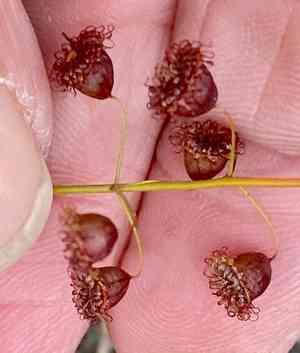
Bridal rainbow, recognized for its unique glistening look and vining nature, thrives with trimming to foster robust development and vitality. The ideal periods for pruning are from late winter to early spring, prior to the appearance of new shoots. Concentrate on eliminating deceased or injured stalks, and also reducing any overly vigorous growth to preserve its form and dimensions. Consistent pruning aids in enhancing air circulation and light access, leading to a more flourishing and attractive plant. Always employ sanitized, sharp implements to avert illness.
What Are the Benefits of Pruning Bridal Rainbow?
What Are the Benefits of Pruning Bridal Rainbow?
Bridal rainbow thrives with pruning as it encourages robust development and maintains its form. Regular trimming helps manage size, promotes vigorous growth, enhances blooming, and reduces pests and diseases, ensuring a strong and attractive plant.
What Is the Best Time for Pruning Bridal Rainbow?
What Is the Best Time for Pruning Bridal Rainbow?
Trimming bridal rainbow in early spring or late winter is ideal because it coincides with the plantâs dormant phase. During these periods, the plant is not actively growing, which minimizes stress and potential harm. Pruning during dormancy ensures that energy is preserved for new growth in the upcoming season. Furthermore, this timing helps to maintain the plantâs structure and promotes healthy, vigorous growth when the active period begins. Additionally, trimming during these seasons can improve airflow and light penetration, which are vital for the plant's overall health and disease prevention.
What Tools Do I Need to Prune Bridal Rainbow?
Precision scissors
Precision scissors are perfect for bridal rainbow due to their slender, sharp blades that allow for careful trimming of delicate parts without causing excessive harm.
Tweezers
Tweezers are useful for gently removing dead or decaying foliage and stems from bridal rainbow without disrupting the plant's structure and sensitive areas.
Alcohol wipes or disinfectant
It is crucial to sanitize pruning tools before and after use to prevent the spread of illnesses. Alcohol wipes or disinfectant ensure that tools remain sterile.
How to Prune Bridal Rainbow
Identify damaged parts
Carefully examine bridal rainbow for any diseased or withered foliage. These parts are typically discolored, limp, or dried out.
Prepare tools
Use clean, sharp scissors or pruning shears to avoid spreading disease. Sterilize the tools with rubbing alcohol before and after use.
Trim diseased leaves
Cut away any diseased leaves at the base where they connect to the stem. Ensure you remove the entire affected area to prevent the spread of disease.
Trim withered leaves
Remove withered leaves by trimming them close to the base. Ensure that you do not damage the surrounding healthy tissue while doing so.
Dispose pruned material
Immediately dispose of the pruned leaves away from the plant to prevent any potential spread of pathogens. Do not compost them if they are diseased.
Common Pruning Mistakes with Bridal Rainbow
Over-pruning
One of the most frequent errors is removing too many leaves and stems. Excessive pruning can significantly stress bridal rainbow and hinder its growth and flowering capacity.
Improper technique
Cutting too close to the main stem or using dull tools can cause damage to the plant, leading to infections and poor regrowth.
Pruning at the wrong time
Pruning at unsuitable times can negatively impact the plant's ability to recover and regenerate. It's essential to understand the plant's growth cycle to avoid this mistake.
Neglecting sanitation
Using unsanitized pruning tools can introduce diseases and pests to bridal rainbow, compromising its health and vitality.
Common Pruning Tips for Bridal Rainbow
Use sharp, clean tools
Always use sharp and clean pruning shears to make precise cuts and prevent the spread of diseases.
Remove dead or diseased parts
Begin by removing any dead, diseased, or damaged leaves and stems to encourage healthy growth.
Limit the amount of pruning
Moderation is key. Only remove what is necessary to maintain the plant's shape and health, usually no more than a third of the plant at one time.
Make clean cuts
Ensure all cuts are clean and made at a slight angle to prevent water from settling on the cut surface, which can lead to rot.



