Bridal rainbow (Drosera macrantha)
Also known as: Climbing Sundew, Tall Sundew
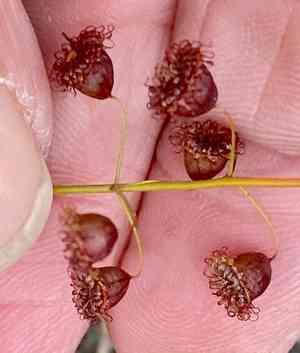
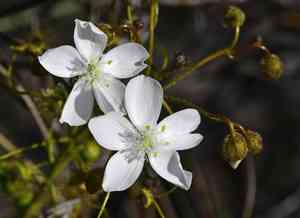
Bridal rainbow is a captivating carnivorous species with long, slender leaves covered in sticky hairs that trap unsuspecting insects. The tubular foliage, which often arches gracefully, is adorned with glistening droplets that lure prey—reflecting bridal rainbow's adaptation to nutrient-poor soils where it flourishes. This plant's delicate yet deadly charm is punctuated by striking, large pink to white blossoms that rise above its deadly leaves on tall stalks.
In This Article
Attributes of Bridal rainbow
Lifespan
Perennial
Plant Type
Herb
Plant Height
Up to 1 meter
Spread
Not applicable (twining plant)
Leaf Color
Green
Flower Size
0.5-1 cm
Flower Color
White, Pink
Images of Bridal rainbow
Quickly Identify Bridal rainbow
1
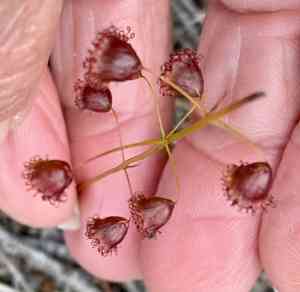
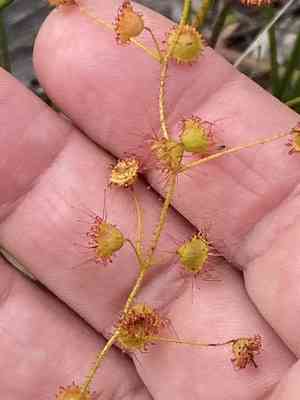
Look for its climbing or twining habit with long stems that have sticky hairs. The leaves are small and spatulate, and it often has white or pink flowers.
Scientific Classification of Bridal rainbow
Phylum
Vascular plants
Class
Dicotyledons
Order
Caryophyllales
Family
Sundew
Genus
Sundews
Species
Bridal rainbow
Planting and Growing of Bridal rainbow
Care Difficulty
Moderate
Watering Schedule
Every 3 days
Sunlight Requirements
Full sun
Sunshine Duration
6-8 hours
Ideal Temperature
50-77℉
Soil Type
Potting Mix, Peat Mix
Soil pH
4.5-6
Fertilizer Type
Balanced
Pruning Season
Spring, Summer
Pruning Area
Branches, Leaves
Pruning Frequency
Once a year
Repotting Season
Spring
Pot Type
Plastic, Ceramic
 How to Water Bridal rainbow?
When watering Drosera macrantha, ensure the potting medium is thoroughly saturated but not waterlogged. The amount of approximately 150 ml will provide enough moisture to the roots while mimicking its natural habitat. Let excess water drain away to prevent root rot, maintaining a damp but airy soil environment for this carnivorous plant.
What are the symptoms of an underwatered Bridal rainbow?
›
What should I do if my Bridal rainbow is not getting enough water?
›
What are the symptoms of an overwatered Bridal rainbow?
›
How to save an overwatered Bridal rainbow?
›
 What Are the Sunlight Requirements for Bridal rainbow?
Drosera macrantha thrives best with a mix of full sun and partial sun, ideally receiving 4 to 6 hours of direct sunlight per day. These conditions allow for strong growth, vibrant leaf coloration, and efficient insect capture.
How much light does Drosera macrantha need?
›
How to provide ideal lighting for Drosera macrantha?
›
What are the benefits of ideal lighting for Drosera macrantha?
›
 What Is the Ideal Temperature Range for Bridal rainbow?
Drosera macrantha thrives best in environments where the temperature ranges from 50°F to 77°F. This range simulates the temperate conditions similar to its native habitat, promoting optimal growth and ensuring that the plant maintains its health and vigor. Maintaining this temperature consistently can improve photosynthesis efficiency and nutrient uptake, leading to more robust pitcher development.
 What Soil is Best for Bridal rainbow?
The soil must have excellent drainage to prevent waterlogging, which can harm the delicate root system of Drosera macrantha. This is particularly important during rainy seasons when the risk of water accumulation is higher. Drosera macrantha thrives in soils that are nutrient-poor. Overly fertile soils can promote excessive non-carnivorous plant growth that might overshadow the drosera, reducing its sunlight exposure. This species prefers slightly acidic soils with a low pH range. Such conditions help in maintaining the desired microbial ecology, which in turn supports the plant’s carnivorous habits.
 How to Fertilize Bridal rainbow?
Drosera macrantha, being a carnivorous plant, generally requires minimal fertilization. If feeding, use a very diluted liquid fertilizer at one-quarter of the standard strength to avoid any risk of root burn or nutrient overload.
 How to Prune Bridal rainbow?
When pruning Drosera macrantha, focus on removing any dead or dying leaves to encourage healthier growth. Use sterilized scissors or pruning shears to avoid transferring diseases. Trim back any overly long stems to shape the plant and encourage bushier growth. Be gentle as the plant is delicate, and cutting too close to the base can harm its growth. To promote flowering in Drosera macrantha, prune the plant after the blooming period to remove spent flowers and stems. This redirects the plant's energy toward producing new blooms instead of seed formation. Removing flower stalks after they have wilted ensures the plant’s resources are efficiently used, leading to more vigorous growth and the potential for additional flowering cycles.
More About Pruning Techniques→
 How to Propagate Bridal rainbow plant?
1
Fill a seed tray with a suitable carnivorous plant soil mix. The soil should be moist but not waterlogged, providing an aerated foundation for the seeds.
2
Scatter Drosera macrantha seeds evenly across the surface of the soil. Lightly press them into the soil, but avoid covering them completely as they need light to germinate.
3
Select a healthy stem from the parent plant and cut a 5-10 cm section using sharp pruners. Ensure that the cutting includes several growth nodes.
 How to Repot Bridal rainbow plant?
1
Repotting should occur when the plant displays signs of overcrowding or stunted growth. Ideally, repot during early spring or autumn when the plant is semi-dormant, minimizing transplant shock and allowing it to adjust to new surroundings gradually.
2
Select a shallow, wide pot that allows for adequate drainage and aeration; this prevents root rot and supports healthy root growth. Opt for materials like unglazed clay, which facilitates evaporation, maintaining the moisture balance essential for Drosera macrantha.
3
Use a peat-based mix with an acidic pH, essential for nutrient capture and root health. Avoid fertilizers, choosing sterile, inorganic additives like perlite to enhance drainage while maintaining moisture, mirroring their natural habitat conditions.



