How to Prune Violet draperia?
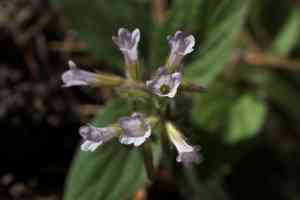
Featuring unique purple blossoms, violet draperia flourishes with spring pruning immediately post-flowering to stimulate fresh development, or in summer for shape preservation. Remove faded blooms and lightly shorten elongated stems. This fosters a dense structure and boosts flowering. Always make precise, clean cuts to avoid harm. Trimming violet draperia both revitalizes the plant and curbs excessive growth, bolstering its health and flower production.
Advantages of Trimming Violet Draperia
Advantages of Trimming Violet Draperia
Consistent trimming of violet draperia promotes robust development and helps maintain its desired form. By removing old or overgrown stems, gardeners can foster a healthier, more visually appealing plant.
Optimal Period for Trimming Violet Draperia
Optimal Period for Trimming Violet Draperia
Trimming violet draperia during the Spring season aligns with the natural commencement of the plant's growth cycle. This timeframe is typically after the last frost when violet draperia begins its active development, making it an ideal moment to shape the plant and encourage new, healthy growth. Early Summer trimming is also beneficial, as it allows for the removal of any dead or diseased branches that may have emerged, and can stimulate a further flush of growth before the plant enters a more dormant phase in late Summer and Fall. Trimming during these recommended seasons ensures minimal stress on violet draperia while maximizing its health and aesthetic form, taking care not to disrupt its flowering cycle which usually follows the active growth period.
Necessary Tools for Trimming Violet Draperia
Hand Pruners
Perfect for making precise cuts on violet draperia's smaller stems. Opt for bypass pruners for their clean cut that encourages healthy regrowth.
Pruning Shears
Suitable for shaping and trimming violet draperia, offering control over the plant's overall look.
Garden Scissors
Useful for deadheading violet draperia, removing faded blooms to encourage more flowers.
Method for Trimming Violet Draperia
Identify diseased parts
Inspect violet draperia closely to pinpoint and mark all diseased leaves and diseased stems for removal.
Disinfect tools
Before starting, sanitize pruning shears with a solution of 1 part bleach to 9 parts water to prevent the spread of disease during trimming.
Trim diseased leaves
Carefully cut off diseased leaves at the base of the stalk without harming healthy sections. Remove all debris from the area to prevent disease spread.
Trim diseased stems
Cut back diseased stems to a healthy portion, ensuring a clean cut just above a leaf node or bud. This promotes healthier regrowth.
Remove withered leaves
Gently pull away withered leaves as they may detach easily without using shears, minimizing stress on violet draperia.
Common Trimming Errors with Violet Draperia
Excessive trimming
Removing too much foliage from violet draperia, which can stress the plant and may lead to poor growth or reduced flowering.
Cutting too close
Snipping too near the main stems or flower buds, which can damage the plant structure or unnecessarily remove potential blooms.
Incorrect tool use
Using dull or dirty pruning shears, which can result in jagged cuts that are more vulnerable to disease and pest infestation.
Ignoring plant shape
Failing to consider the natural form of violet draperia when trimming, leading to an unnatural appearance or potentially harming the plant's growth pattern.
Trimming without a plan
Random or unplanned cuts which may lead to uneven growth or harm the plant's overall health and aesthetic.
General Trimming Advice for Violet Draperia
Selective thinning
Remove specific branches or stems to improve light penetration and air circulation, which can enhance violet draperia's health and flowering capability.
Sharp clean cuts
Ensure trimming tools are sharp and clean to make precise cuts that heal quickly, preventing stress and diseases.
Follow branch angles
Trim at a slight angle just above a bud and in the direction where you want new growth, to promote a desirable shape and avoid water accumulation.
Monitor growth
Regularly check violet draperia for dead, damaged, or diseased stems, and remove them promptly to maintain plant vigor and aesthetic appeal.
Post-bloom trimming
Once flowering has concluded, trim violet draperia to remove spent blooms, which encourages reblooming and maintains a tidy appearance.



