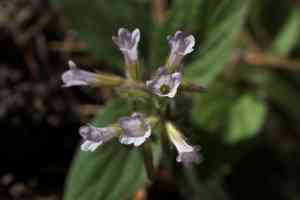
Violet draperia (Draperia systyla)
Also known as: Antelope Brush
Violet draperia (Draperia systyla) is a perennial wildflower that reaches heights of 30 to 91 cm. It produces lavender, tubular flowers during the spring. Native to California, it typically grows on mountainsides, rocky slopes, and in forested regions. For optimal growth, it prefers full sun and moist, well-drained soil.
In This Article
Attributes of Violet draperia
Lifespan
Perennial
Plant Type
Herb, Shrub
Plant Height
41 cm
Spread
0.5 to 1 meter (1.5 to 3 feet)
Leaf Color
Grayish-green
Flower Size
0.5 to 1 cm (0.2 to 0.4 inch)
Flower Color
White Pink Purple
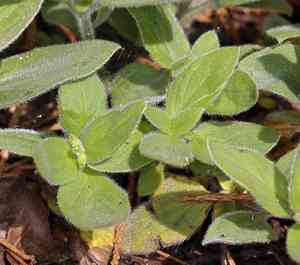
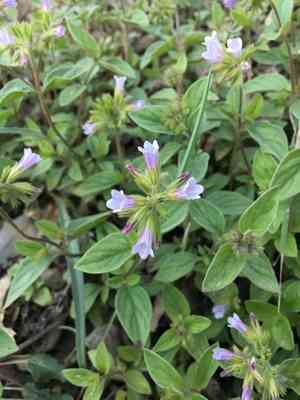
Images of Violet draperia
Quickly Identify Violet draperia
1
Draperia systyla can be identified by its hairy leaves, which are grayish-green in color, and its tiny white to light pink flowers that form in clusters. The plant\'s branches are often twisted and gnarled, giving it a unique appearance.
Scientific Classification of Violet draperia
Phylum
Vascular plants
Class
Dicotyledons
Order
Boraginales
Family
Waterleaf
Genus
Draperia
Species
Violet draperia
Planting and Growing of Violet draperia
Care Difficulty
Hard
Watering Schedule
Every 2 days
Sunlight Requirements
Partial sun
Sunshine Duration
4-6 hours
Ideal Temperature
60-75℉
Soil Type
Potting Mix, Peat Mix
Soil pH
6.5-7.5
Fertilizer Type
Balanced
Pruning Season
Spring, Summer
Pruning Area
Branches, Leaves
Pruning Frequency
2 times a year
Repotting Season
Spring
Pot Type
Plastic, Ceramic
 How to Water Violet draperia?
When watering Draperia systyla, the goal is to evenly moisten the soil without causing waterlogging. Each watering session should supply approximately 500 milliliters, ensuring the water reaches the deeper roots without leaving excess moisture at the bottom of the pot.
What are the symptoms of an underwatered Violet draperia?
›
What should I do if my Violet draperia is not getting enough water?
›
What are the symptoms of an overwatered Violet draperia?
›
How to save an overwatered Violet draperia?
›
 What Are the Sunlight Requirements for Violet draperia?
Draperia systyla thrives best in conditions offering partial to full sun, suggesting access to 4-8 hours of sunlight. Ideal lighting ensures vigorous growth, lush green leaves, and excellent resilience to pests and environmental stressors.
What is the best location for Draperia systyla to receive ideal light?
›
How can one ensure Draperia systyla receives enough sunlight indoors?
›
What benefits does Draperia systyla gain from ideal lighting?
›
 What Is the Ideal Temperature Range for Violet draperia?
Draperia systyla thrives best in an environment where the temperature is consistently between 60°F and 75°F. This range ensures optimal growth and functionality of essential physiological processes. Maintaining this temperature range supports healthy leaf development and aids in the prevention of common plant stressors.
 What Soil is Best for Violet draperia?
Draperia systyla thrives in well-drained soil, which prevents waterlogging that can cause root rot. This soil property helps maintain optimal moisture levels and promotes healthy root development. Rich soil with ample nutrients is essential for Draperia systyla, as it supports robust growth and vibrant foliage. This ensures that the plant has access to essential minerals and compounds necessary for photosynthesis and overall vigor. Soil with moderate moisture retention balances water supply, ensuring that Draperia systyla doesn't experience drought stress. This condition is ideal for the plant's continuous hydration without over-saturation.
 How to Fertilize Violet draperia?
For Draperia systyla, applying the right amount of fertilizer is crucial for its health. Use a balanced liquid fertilizer diluted at half the recommended strength for houseplants, ensuring that you provide essential nutrients without risking over-fertilization. For solid fertilizers, a light dusting around the base, equivalent to one teaspoon per plant, is generally sufficient. Always water well after fertilizing to help the nutrients reach the roots effectively.
 How to Prune Violet draperia?
Before starting, carefully inspect Draperia systyla to identify dead, damaged, or diseased stems. Removing these will promote healthier growth and improve the plant's overall appearance. For optimal pruning, focus on making clean cuts close to the base of the stem. This technique minimizes stress on the plant, encouraging robust regrowth and vigor.
More About Pruning Techniques→
 How to Propagate Violet draperia plant?
1
Harvest seeds from mature plants at the end of their growing season. Ensure the seeds are fully dried before planting for optimal germination.
2
Select healthy stems from the parent plant and cut them just below a node. Keep cuttings about 4-6 inches long for the best results.
3
Plant seeds or cuttings in well-draining soil. Ensure consistent moisture and indirect sunlight for successful rooting and sprouting.
 How to Repot Violet draperia plant?
1
For Draperia systyla, watch for yellowing leaves and stunted growth, as these are signs it's outgrown its pot. Repotting should be done when you notice roots growing out of the drainage holes, which indicates the plant is root-bound. Spring or early summer is the ideal time to refresh its environment and nutrients.
2
Opt for a pot that is 1-2 inches wider than the current one. This aids in providing ample space for root development. Terracotta pots are excellent for Draperia systyla because they are porous, allowing for air circulation and preventing overwatering while enhancing aesthetic appeal.
3
Select a well-draining sandy mix to replicate the native conditions of Draperia systyla. This type of soil helps prevent root rot by ensuring excess water drains away. Adding some perlite or pumice can improve the aeration and drainage even further, promoting healthier root systems.
Learn More About Violet draperia Diseases
Anthracnose
Bacterial Leaf Spot
Bacterial Soft Rot
Bacterial Wilt
Black Spot
Chemical Injury
Crown Gall
Cyst Nematode
Damping-off
Downy Mildew
Drought Stress
Fusarium Wilt
Gray Mold
Leaf Curl
Leaf Spot
Mosaic
Nutrient Deficiency
Nutrient Toxicity
Powdery Mildew
Root Rot
Root-knot Nematode
Rusts
Sooty Mold
Spider Mites
Temperature Stress
Thrips Damage
White Mold



