How to Prune Ceylon gooseberry?
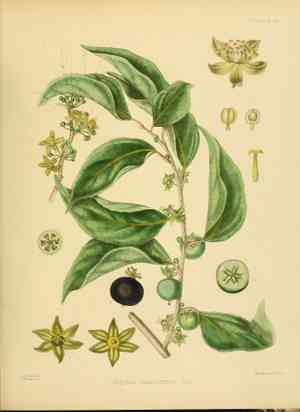
The ceylon gooseberry, a spiny bush recognized for its sour, consumable berries, thrives with diligent trimming. Cut back to preserve its form and dimensions, and eliminate any lifeless or ailing branches in the early spring. Reducing crowded foliage promotes air circulation and light exposure, boosting fruit output. Pruning after the harvest lessens the effect on the subsequent season's crop. Due to its pointed spines, cautious handling is essential. Advantages of pruning encompass more robust development and simplified gathering.
What Are the Benefits of Pruning Ceylon Gooseberry?
What Are the Benefits of Pruning Ceylon Gooseberry?
Trimming ceylon gooseberry promotes a more plentiful yield by encouraging the development of fruit-bearing structures. Regular cutting helps ceylon gooseberry maintain a manageable size and appealing shape, while also boosting its vitality and resistance to pests and diseases.
What Is the Best Time for Pruning Ceylon Gooseberry?
What Is the Best Time for Pruning Ceylon Gooseberry?
This timing occurs just before ceylon gooseberry's growth cycle begins, when the plant is still dormant but prepared to direct energy towards new growth. Pruning in late winter or early spring allows for the removal of any damaged or diseased branches before new leaves and fruit appear, which can help prevent disease spread and shape the plant for the upcoming growing season. This timing also avoids cutting off emerging buds, which are essential for the development of flowers and fruits later in the season. Pruning after the cold season reduces the chance of freeze damage to fresh cuts but is early enough for healing to start promptly with spring growth. Additionally, with no foliage, the plant's structure is more visible, simplifying strategic cuts.
What Tools Do I Need to Prune Ceylon Gooseberry?
Bypass Pruners
Ceylon gooseberry typically features dense foliage with relatively slender branches, making bypass pruners perfect for creating clean cuts on living wood without crushing plant tissues.
Lopers
For thicker branches that bypass pruners cannot manage, loppers offer the additional leverage required to prune ceylon gooseberry without causing undue strain on the gardener's hands.
Pruning Saws
When addressing branches exceeding an inch in thickness on ceylon gooseberry, a pruning saw is essential. It enables cutting through larger wood sections without harming the surrounding branch structure.
Gloves
Given ceylon gooseberry's thorny characteristic, a durable pair of gloves is crucial for safeguarding the gardener's hands from thorns and scrapes during the pruning process.
Long-Sleeved Clothing
To prevent scratches from the spiny branches of ceylon gooseberry, wearing long-sleeved attire is advisable when pruning.
How to Prune Ceylon Gooseberry
Sterilize tools
Before commencing the pruning process, clean and sanitize all cutting implements to prevent the transmission of diseases to ceylon gooseberry.
Inspect plant
Carefully examine ceylon gooseberry for dead or diseased branches. Look for branches exhibiting signs of discoloration, pests, or damage.
Remove dead branches
Using sharp pruning shears, carefully cut any dead branches at a 45-degree angle just above a live bud or side branch. Ensure cuts are clean and smooth to encourage healing.
Remove diseased branches
Identify and eliminate diseased branches from ceylon gooseberry, ensuring to cut well below the affected area to remove all diseased tissue. Avoid tearing the bark when making cuts.
Dispose of waste
Properly discard all removed dead and diseased branches away from healthy plants to prevent the spread of pests or diseases.
Common Pruning Mistakes with Ceylon Gooseberry
Over pruning
Removing an excessive amount of foliage from ceylon gooseberry in one session can stress the plant, leading to poor growth or reduced blooming.
Using dull tools
Pruning ceylon gooseberry with blunt or unclean tools can result in jagged cuts that are more vulnerable to disease and pests.
Ignoring branch angles
Cutting ceylon gooseberry without considering the angle of the branches can lead to water accumulation in the intersection areas, which may cause rot or fungal infections.
Stripping interior branches
Removing too many inner branches from ceylon gooseberry can reduce air circulation and sunlight penetration, which are vital for the plant's health.
Flush cutting
Making flush cuts against the main stem or trunk of ceylon gooseberry removes the branch collar, hindering the plant's natural healing process.
Common Pruning Tips for Ceylon Gooseberry
Clean cuts
Ensure that cuts on ceylon gooseberry are clean and at a 45-degree angle to prevent water buildup and promote faster healing.
Tool sanitation
Sterilize pruning tools before and after use on ceylon gooseberry to prevent the spread of diseases among plants.
Structural pruning
Focus on structural pruning of ceylon gooseberry by removing competing leaders, dead or diseased branches, and any that cross over or rub against each other.
Moderate thinning
Thin out ceylon gooseberry moderately to improve air circulation and light penetration, which can enhance the plant's overall health and fruit production.
Protective gear
Due to ceylon gooseberry's thorny nature, wear thick gloves and protective clothing to prevent injury during the pruning process.



