How to Prune Horsefly's eye?
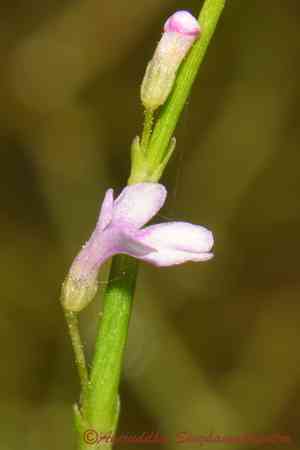
This enduring herbaceous plant flourishes in marshy environments, displaying unique floral spikes. For horsefly's eye, trimming should involve removing faded blossoms to stimulate additional flowering. Periodic pruning in Spring, Summer, or Autumn fosters vigor by eliminating deceased or superfluous growth. Effective pruning guarantees adequate light exposure and air movement, boosting plant well-being and lowering the likelihood of illness. Cultivators must sanitize implements to avert contamination. Pruning beyond these periods could hinder development or blooming cycles.
What Are the Benefits of Pruning Horsefly's Eye?
What Are the Benefits of Pruning Horsefly's Eye?
Trimming horsefly's eye promotes vigorous development and helps maintain its desired form. Strategic cutting back eliminates dead or weak stems, allowing for stronger, healthier foliage and stems to emerge, enhancing the plant's appearance and vitality.
What Is the Best Time for Pruning Horsefly's Eye?
What Is the Best Time for Pruning Horsefly's Eye?
Pruning in spring aligns with horsefly's eye's active growth phase, facilitating rapid healing and vigorous new growth following trimming. Early summer pruning adjusts the plant's shape and size and supports health by removing any dead or diseased growth from the spring flush. Pruning in fall allows the removal of spent flowers and prepares horsefly's eye for dormancy, reducing potential stress over the winter. These timings avoid the flowering period when trimming could remove buds and affect horsefly's eye's display, and ensure the plant has adequate time to recover before conditions become less favorable for growth.
What Tools Do I Need to Prune Horsefly's Eye?
Bypass Pruners
Perfect for making clean cuts on horsefly's eye's thinner stems without crushing plant tissue, which promotes better healing.
Snips or Micro-Tip Pruning Snips
Suitable for precise trimming and shaping of horsefly's eye, especially when dealing with delicate or crowded growth.
Gardening Gloves
Protect the gardener's hands from thorns or rough stems while pruning horsefly's eye.
How to Prune Horsefly's Eye
Clean tools
Sterilize the pruning shears or scissors with rubbing alcohol or a household disinfectant before starting to prevent the spread of disease to horsefly's eye.
Identify withered
Examine horsefly's eye closely to identify all withered, brown, or yellow leaves that need to be removed for the health of the plant.
Cut withered
Using the sterilized pruning shears, carefully snip off the withered leaves at the base where they meet the stem or just above the next healthy leaf node, ensuring not to cut into the healthy tissue.
Dispose wastes
Dispose of the removed withered leaves away from horsefly's eye and other healthy plants to prevent any potential disease spread.
Plant care post pruning
After pruning, check horsefly's eye for any signs of pests or diseases and treat if necessary. Water the plant adequately to help it recover from the pruning process.
Common Pruning Mistakes with Horsefly's Eye
Overpruning
Removing too much foliage from horsefly's eye at once can stress the plant, potentially leading to reduced vitality and fewer blooms. It is important to limit the pruning to no more than one-third of the plant's total growth.
Blunt tools
Using dull or unclean pruning tools can cause jagged cuts that make horsefly's eye more susceptible to disease and pest infestation. Gardeners should ensure their tools are sharp and sterilized before pruning.
Improper cut location
Cutting horsefly's eye too close or too far from the node can prevent proper healing and regrowth. Pruning just above the node ensures that new growth can form effectively.
Neglecting dead material
Failing to remove dead or diseased stems and leaves from horsefly's eye can hinder the plant's overall health and aesthetic. Periodic removal of such materials is crucial for maintaining its vitality.
Ignoring plant shape
Not considering the natural shape of horsefly's eye when pruning can result in an unbalanced appearance and damage to the plant's structure. It's important to follow the plant's inherent growth pattern while pruning.
Common Pruning Tips for Horsefly's Eye
Identify growth points
Before pruning horsefly's eye, gardeners should locate the active growth points or nodes where new stems and leaves will emerge. Pruning just above these points encourages healthy new growth.
Incremental pruning
For horsefly's eye, it is better to prune incrementally throughout the growing season rather than all at once. This allows the gardener to shape the plant while ensuring it remains strong and healthy.
Sanitation
After pruning horsefly's eye, it's essential to clear away the removed debris to prevent potential diseases and pests from affecting the plant or spreading in the garden.
Tool preparation
Ensuring that all pruning tools are sharp, clean, and suitable for the specific needs of horsefly's eye will facilitate clean cuts that heal quickly and minimize stress to the plant.
Post-pruning care
After pruning horsefly's eye, providing adequate water and possibly a light fertilizer can aid recovery and promote robust growth, especially if a substantial amount of the plant was trimmed.



