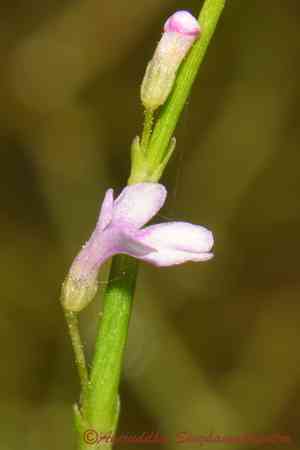
Horsefly's eye (Dopatrium junceum)
Also known as: Bushy Dopatrium
Horsefly's eye is an annual herb belonging to the plantain family. It typically thrives in clay-rich, freshwater environments and is commonly found in regions such as Central Africa, Southern Asia, and Australia. This plant has also been introduced to rice fields, where it prospers and is considered a globally adaptable species.
In This Article
Attributes of Horsefly's eye
Lifespan
Annual
Plant Type
Herb
Plant Height
5 cm to 50 cm
Spread
1 m to 3 m
Leaf Color
Green
Flower Size
0.5-1 cm
Flower Color
White Purple
Images of Horsefly's eye
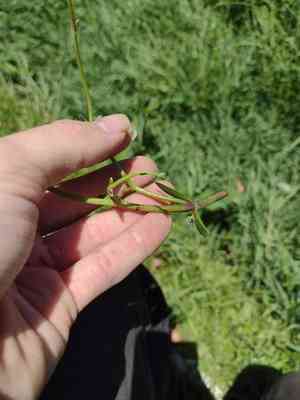
Quickly Identify Horsefly's eye
1
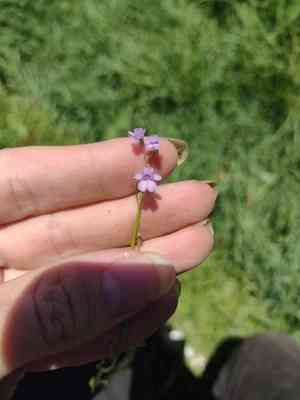
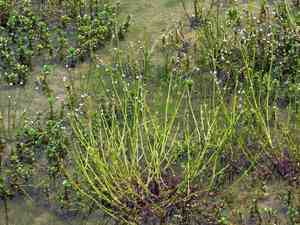
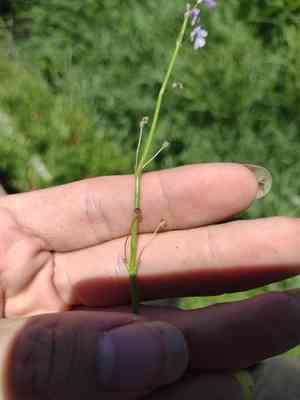
Dopatrium junceum can be identified by its reed-like stems, small opposite leaves, and inconspicuous blue or purple flowers. It typically forms dense clusters in wet habitats.
Scientific Classification of Horsefly's eye
Phylum
Vascular plants
Class
Dicotyledons
Order
Lamiales
Family
Plantain
Genus
Dopatrium
Species
Horsefly's eye
Planting and Growing of Horsefly's eye
Care Difficulty
Easy
Watering Schedule
Every 2 days
Sunlight Requirements
Partial sun
Sunshine Duration
4-8 hours
Ideal Temperature
68-77℉
Soil Type
Potting Mix, Peat Mix
Soil pH
6.5-7.5
Fertilizer Type
Balanced
Pruning Season
Spring, Summer
Pruning Area
Branches, Leaves
Pruning Frequency
2 times a year
Repotting Season
Spring
Pot Type
Plastic, Ceramic
 How to Water Horsefly's eye?
Dopatrium junceum prefers a moderate watering regime, ensuring that the soil is well-moistened but not waterlogged. Each watering session should involve approximately 200 ml, soaking the soil until water starts to trickle slightly through the drainage holes. The goal is to maintain root-level hydration without causing root rot. Make sure the soil dries out to a depth of about an inch before you water again.
What are the symptoms of an underwatered Horsefly's eye?
›
What should I do if my Horsefly's eye is not getting enough water?
›
What are the symptoms of an overwatered Horsefly's eye?
›
How to save an overwatered Horsefly's eye?
›
 What Are the Sunlight Requirements for Horsefly's eye?
Dopatrium junceum's light range preference is partial sun, benefiting from dappled sunlight throughout the day. Proper lighting aids its metabolic functions and enables robust flowering and foliage development.
How much sunlight does Dopatrium junceum need daily?
›
What happens if it doesn't get the ideal light?
›
What are the benefits of ideal lighting conditions?
›
 What Is the Ideal Temperature Range for Horsefly's eye?
The ideal temperature range ensures optimal growth and health of Dopatrium junceum. Maintaining temperatures between 68°F and 77°F allows the plant to carry out photosynthesis efficiently, supports robust root development, and reduces the risk of stress-related diseases.
 What Soil is Best for Horsefly's eye?
Dopatrium junceum thrives best in nutrient-rich sandy or loamy soils. These soils provide the essential minerals and nutrients this plant needs for optimal growth, ensuring robust development and vibrant foliage. This plant requires soil with excellent drainage to prevent root rot. Sandy loam soils allow excess water to drain away quickly, maintaining the perfect moisture balance essential for root health. While drainage is crucial, Dopatrium junceum also needs consistent moisture. Loamy soils, which retain moisture better than sandy types, ensure that the plant doesn't experience periods of drought stress.
 How to Fertilize Horsefly's eye?
For Dopatrium junceum, ensure a balanced nutrient supply by applying fertilizer with a low concentration. Use approximately one-quarter of the recommended amount for general plants, given its sensitivity to excessive nutrients.
 How to Prune Horsefly's eye?
Always start with clean, sharp pruning shears to make clean cuts and reduce the risk of disease. This ensures healthy new growth and minimizes stress on the plant. Look for dead, damaged, or diseased stems and remove them first. Trim excess foliage to enhance air circulation, which prevents fungal growth and promotes overall plant health. Trim overgrown areas to maintain a uniform shape and thin crowded sections to ensure sunlight reaches all parts of the plant. This promotes even growth and enhances the plant's aesthetic appeal.
More About Pruning Techniques→
 How to Propagate Horsefly's eye plant?
1
Start by filling seed trays with a well-draining seed-starting mix. Sow the seeds thinly on the surface, then cover them lightly with more mix. Keep the trays in a warm, bright location but out of direct sunlight.
2
Choose healthy, non-flowering stems approximately 10 cm long. Cut just below a node with sharp shears. Remove the lower leaves and dip the cut end in rooting hormone for enhanced root development.
3
Plant the cuttings in a pot filled with a mixture of sand and peat. Keep the cuttings in a humid environment, such as under a plastic covering, to maintain high moisture levels around the leaves.
 How to Repot Horsefly's eye plant?
1
Dopatrium junceum signals a need for repotting when roots start circling the pot or growing through drainage holes. Another indicator is slowed growth or an overgrown appearance. It’s best to repot during its active growing phase in spring or early summer when the plant can quickly recover from the shock.
2
Choose a pot that is one size larger than the current one, with adequate drainage holes. This allows room for root growth and prevents waterlogging. Opting for clay pots can also help in promoting oxygen availability to roots, thus aiding in overall plant health.
3
A sandy, well-draining soil mix is ideal for Dopatrium junceum as it mimics its natural habitat. Ensure that the mix has a balance of organic material and aggregates like perlite or sand to provide proper aeration and prevent root rot.
Learn More About Horsefly's eye Diseases
Anthracnose
Bacterial Leaf Spot
Bacterial Soft Rot
Bacterial Wilt
Chemical Injury
Damping-off
Downy Mildew
Drought Stress
Fusarium Wilt
Gray Mold
Leaf Curl
Leaf Spot
Mosaic
Nutrient Deficiency
Nutrient Toxicity
Powdery Mildew
Root Rot
Root-knot Nematode
Rusts
Sooty Mold
Spider Mites
Temperature Stress
Thrips Damage
White Mold



