How to Prune Low wild mercury?
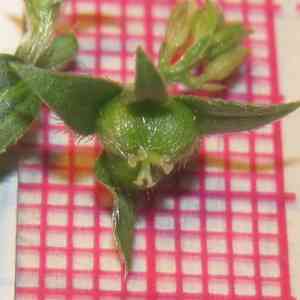
Celebrated for its resilience to arid conditions and modest size, low wild mercury thrives with trimming predominantly in early spring or late winter. Remove any lifeless or compromised branches to foster robust development, and sculpt the plant to preserve its dense structure. Performing this maintenance during these times coincides with low wild mercury's inactive period, thereby minimizing strain. This method improves air circulation and light exposure, diminishing the likelihood of illness and stimulating vigorous growth in the subsequent season, which is crucial for sustaining the plant's health.
Advantages of Trimming Low Wild Mercury
Advantages of Trimming Low Wild Mercury
Trimming low wild mercury encourages robust development, maintaining an appealing form and size, preventing excessive growth, and fostering the plant's inherent shape. Regular trimming also aids in pest and disease management by enhancing air circulation and sunlight penetration.
Optimal Time for Trimming Low Wild Mercury
Optimal Time for Trimming Low Wild Mercury
Trimming low wild mercury in early spring or late winter is considered ideal for several reasons. During these periods, the plant is typically dormant, which minimizes stress and the risk of disease or pest infestations. Pruning at this time promotes vigorous new growth as the plant enters its active growth phase. Furthermore, this timing avoids interfering with any potential flowering or fruiting cycles, ensuring the plant's energy is directed towards producing strong foliage and blossoms. This approach aligns with best horticultural practices and supports the long-term health and aesthetic appeal of low wild mercury.
Tools Required for Trimming Low Wild Mercury
Hand Pruners
Hand pruners are perfect for making precise cuts on small stems and branches of low wild mercury. This tool enables clean cuts that can encourage healthy growth and prevent damage.
Bypass Pruners
Bypass pruners are effective for slightly thicker stems and ensure a clean cut, which is crucial for preventing plant diseases and ensuring proper healing.
Pruning Shears
Utilize pruning shears for shaping and trimming the plant. This tool is beneficial for maintaining the desired look and promoting a denser growth habit.
Sterilizing Solution
To prevent disease transmission, it's important to sanitize tools between cuts or when moving between different plants. A simple cleaning solution can be kept readily available for this purpose.
How to Trim Low Wild Mercury
Inspection
Carefully examine low wild mercury for any diseased or withered leaves. This will help you identify which parts need to be removed.
Sterilization
Sanitize your pruning tools before use to prevent the spread of disease. Use a solution of one part bleach to nine parts water.
Removal of Diseased Leaves
Use sterilized pruning shears to cut off any diseased leaves. Make a clean cut close to the base of the leaf stem, avoiding damage to healthy tissue.
Removal of Withered Leaves
Trim any withered leaves by making a clean cut at the base of the leaf stem. Ensure you do not tear the leaves as this can cause further damage.
Disposal
Dispose of all trimmed leaves in a sealed bag to prevent the spread of disease or pests. Do not compost these leaves.
Common Trimming Errors with Low Wild Mercury
Excessive Trimming
Removing too much foliage can stress low wild mercury and hinder its growth. This plant naturally grows low and compact, so excessive trimming is unnecessary and harmful.
Using dull tools
Using dull or dirty pruning tools can cause jagged cuts that invite disease and pests. Always ensure your tools are sharp and clean before you start.
Incorrect trimming cuts
Making improper cuts, such as cutting too close to a bud or leaving stubs, can lead to disease and decay in low wild mercury. Aim for clean, angled cuts just above a bud or branch junction.
Ignoring airflow
Neglecting the importance of airflow can lead to fungal diseases. Even though low wild mercury prefers a compact form, thinning out dense growth is crucial for maintaining good air circulation.
General Trimming Advice for Low Wild Mercury
Sanitize tools
Before you begin, sanitize your pruning tools with a solution of one part bleach to ten parts water to prevent the spread of disease.
Prune selectively
Focus on removing dead, damaged, or diseased branches first. Then, selectively prune to maintain the plant's natural shape and promote healthy growth.
Maintain airflow
Ensure good airflow by thinning out the inner branches. This helps to minimize fungal diseases and encourages better growth.
Make clean cuts
Always make clean, sharp cuts at a 45-degree angle above a bud or at a branch junction. This prevents water accumulation and reduces the risk of disease.


