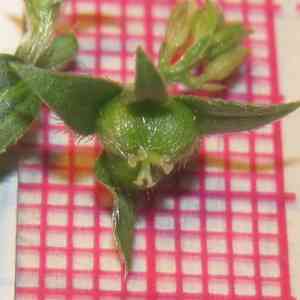
Low wild mercury (Ditaxis humilis)
Also known as: Low ditaxis
Low wild mercury (Argythamnia humilis) is a resilient, low-growing perennial well-suited to arid environments. It features small, waxy leaves that form tight clusters, reducing water loss. The plant's deep root system allows it to access scarce underground moisture, while its robust yellow flowers bloom in intense sunlight, demonstrating its adaptability. Its compact growth habit and efficient water use are key adaptations that enable it to thrive in dry, harsh conditions.
In This Article
Attributes of Low wild mercury
Lifespan
Perennial
Plant Type
Herb
Plant Height
30 cm to 91 cm
Spread
Not well defined as it is a small, bushy plant
Leaf Color
Green
Flower Size
Small, usually less than 1 cm
Flower Color
Green to white
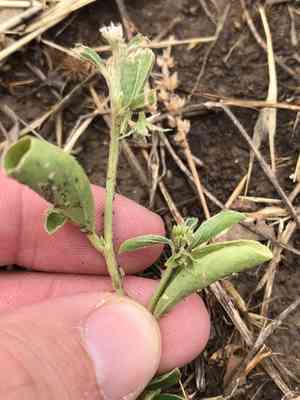
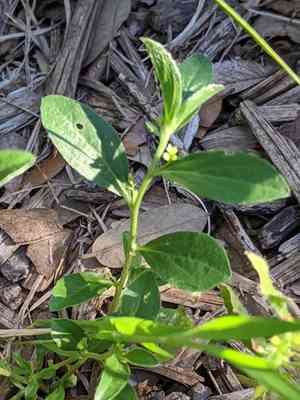
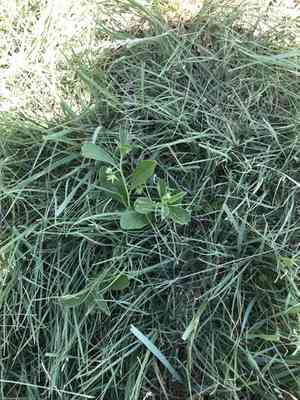
Images of Low wild mercury
Quickly Identify Low wild mercury
1
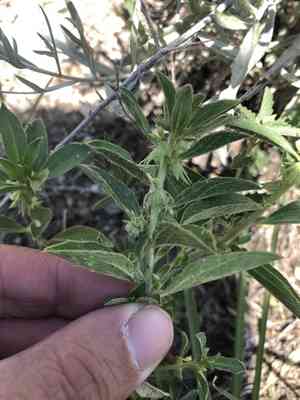
Ditaxis humilis can be identified by its small stature, typically less than a foot tall. It has slender, hairy stems and small, elliptical leaves. The flowers are small and inconspicuous, typically green or white.
Scientific Classification of Low wild mercury
Phylum
Vascular plants
Class
Dicotyledons
Order
Malpighiales
Family
Spurge
Genus
Ditaxis
Species
Low wild mercury
Planting and Growing of Low wild mercury
Care Difficulty
Moderate
Watering Schedule
Every 2 days
Sunlight Requirements
Full sun
Sunshine Duration
6-10 hours
Ideal Temperature
65-75℉
Soil Type
Potting Mix, Peat Mix
Soil pH
6.5-7.5
Fertilizer Type
Balanced
Pruning Season
Spring, Summer
Pruning Area
Leaves, Branches
Pruning Frequency
2 times a year
Repotting Season
Spring
Pot Type
Plastic, Terracotta
 How to Water Low wild mercury?
For Ditaxis humilis, ensure the soil is thoroughly soaked but without waterlogging. 250 ml per watering session should usually be sufficient. Stick your finger about an inch into the soil—if it's dry, it's time to water. This method helps avoid oversaturation of the roots.
What are the symptoms of an underwatered Low wild mercury?
›
What should I do if my Low wild mercury is not getting enough water?
›
What are the symptoms of an overwatered Low wild mercury?
›
How to save an overwatered Low wild mercury?
›
 What Are the Sunlight Requirements for Low wild mercury?
Partial sun to full sun is ideal, allowing Ditaxis humilis to harness enough energy for photosynthesis, ensuring strong, healthy growth and vibrant leaf pigmentation, keeping the plant robust and aesthetically pleasing.
What is the perfect lighting for Ditaxis humilis?
›
How can I ensure optimal sunlight for this plant?
›
What benefits arise from ideal lighting?
›
 What Is the Ideal Temperature Range for Low wild mercury?
Ditaxis humilis thrives best in temperatures ranging from 65 to 75 degrees Fahrenheit. This range provides the optimal conditions for photosynthesis and nutrient absorption, allowing the plant to flourish and maintain its vibrant foliage. Keeping the plant within this temperature range ensures robust growth and resistance to common stress factors.
 What Soil is Best for Low wild mercury?
Ditaxis humilis thrives best in well-drained soil, which prevents water logging and ensures that the roots receive adequate oxygen. This helps in maintaining the plant's health and enhances root development. The plant benefits from a nutrient-rich soil composition, which supports its growth and flowering potential. A balanced supply of essential nutrients like nitrogen, phosphorus, and potassium is critical. Soil with moderate humidity retention helps in maintaining adequate moisture without causing water stress, thereby promoting the plant's vigor and preventing wilting.
 How to Fertilize Low wild mercury?
For Ditaxis humilis, balanced fertilizer is crucial. Use a water-soluble fertilizer diluted to half strength, approximately 1/4 teaspoon per gallon, ensuring it is gentle enough to avoid overfeeding the plant.
 How to Prune Low wild mercury?
Start by inspecting your Ditaxis humilis for any dead, diseased, or damaged branches. Use clean pruning shears to remove these at the base or nearest junction, encouraging healthier growth. Carefully trim to shape the Ditaxis humilis as desired, aiming for a balanced, natural form. This not only makes the plant aesthetically pleasing but also ensures better airflow and sunlight exposure. To encourage a bushier growth, trim back long branches where necessary. This will stimulate axillary bud development and result in a denser, more robust plant structure.
More About Pruning Techniques→
 How to Propagate Low wild mercury plant?
1
Seeds should be collected from a mature Ditaxis humilis plant. Clean the seeds thoroughly and allow them to dry naturally. Treating the seeds with a fungicide before planting can prevent mold growth.
2
Select a healthy stem from the parent plant and use pruning shears to cut a section 4-6 inches long. Remove the leaves from the lower half and dip the cut end in rooting hormone to stimulate root growth.
3
Plant the seeds or cuttings in a well-draining potting mix and maintain humidity around them. Water lightly to keep the soil moist but not soggy, and place in indirect sunlight.
 How to Repot Low wild mercury plant?
1
Ditaxis humilis signals it's time for repotting when its roots start to emerge from the drainage holes or when its growth seems stunted despite adequate care. The ideal repotting time is during its active growing season in spring and early summer, ensuring minimal stress to the plant.
2
Choose a pot that is about one size larger than the current one, with ample drainage holes to prevent waterlogging. A terracotta pot is ideal as it allows for better air exchange to the roots, promoting healthy growth and reducing the risk of root rot.
3
Opt for a well-draining sandy soil mix to suit the needs of Ditaxis humilis. This type of soil ensures good aeration and prevents water accumulation around the roots, thereby maintaining an optimal balance of moisture and air in the root zone.
Toxicity
Ingestion
WARNING
The judgment on toxicity and danger is for reference only. We DO NOT GUARANTEE any accuracy of such judgment. Therefore, you SHALL NOT rely on such judgment. It is IMPORTANT TO SEEK PROFESSIONAL ADVICE in advance when necessary.
Learn More About Low wild mercury Diseases
Anthracnose
Bacterial Leaf Spot
Bacterial Wilt
Crown Gall
Cyst Nematode
Damping-off
Downy Mildew
Drought Stress
Fusarium Wilt
Gray Mold
Leaf Curl
Leaf Spot
Mosaic
Nutrient Deficiency
Nutrient Toxicity
Powdery Mildew
Root Rot
Root-knot Nematode
Rusts
Sooty Mold
Spider Mites
Temperature Stress
Thrips Damage
White Mold


