How to Prune Eastern leatherwood?
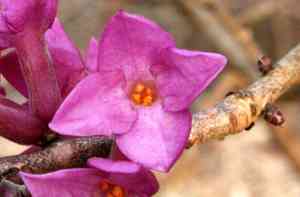
Eastern leatherwood, a deciduous shrub recognized for its pliable branches and early-appearing yellow blossoms, thrives with pruning conducted in late winter or early spring, prior to the emergence of new foliage. Pruning methods involve reducing older branches to stimulate fresh development and sculpt the plant. Eliminate any compromised or ailing wood to preserve the plant's well-being. Pruning invigorates eastern leatherwood's development, improves air movement throughout its crown, and refines its inherent shape. Judicious pruning guarantees a well-proportioned framework and amplifies flowering.
What Are the Benefits of Pruning Eastern Leatherwood?
What Are the Benefits of Pruning Eastern Leatherwood?
Trimming eastern leatherwood boosts its vitality and preserves its desired shape, fostering healthier, more vigorous development and enhancing the plant's aesthetic appeal.
What Is the Best Time for Pruning Eastern Leatherwood?
What Is the Best Time for Pruning Eastern Leatherwood?
Trimming eastern leatherwood in late winter to early spring is optimal because the plant is still dormant, reducing stress and sap loss. This timing allows eastern leatherwood to recover from cuts before the new growth cycle begins. Additionally, it's easier to see the structure and decide which branches to remove. Pruning during this period avoids disrupting spring blooms and helps manage the plant's size and form for the growing season.
What Tools Do I Need to Prune Eastern Leatherwood?
Hand pruners (secateurs)
Perfect for cutting the relatively thin stems of eastern leatherwood, typically under half an inch in diameter. They allow for precise cuts that help maintain the plant's form.
Pruning saw
Essential for removing thicker branches that may occasionally appear on mature eastern leatherwood plants. A pruning saw facilitates cutting through stems or branches over half an inch thick without harming the plant.
Loppers
Suitable for reaching into the dense growth habit of eastern leatherwood to cleanly cut branches that are slightly thicker (up to 1.5 inches in diameter), which might be too large for hand pruners.
Gloves
Not a cutting tool, but crucial for protecting the gardener's hands from scrapes and irritation while trimming eastern leatherwood, which can have tough, wiry branches.
Disinfectant for tools
To prevent disease spread, it's vital to sanitize cutting tools before and after pruning eastern leatherwood.
How to Prune Eastern Leatherwood
Identify
Thoroughly inspect eastern leatherwood to find diseased leaves, withered leaves, dead branches, and diseased branches that need removal.
Disinfect
Before beginning, sanitize all pruning tools to prevent the spread of disease to healthy parts of eastern leatherwood.
Remove leaves
Carefully snip off diseased and withered leaves from eastern leatherwood at their base without tearing, using sharp, clean scissors or hand pruners.
Prune branches
Cut dead and diseased branches on eastern leatherwood back to a healthy stem or the main trunk, making cuts at a slight angle just above a bud or branch junction.
Cleanup
Gather and dispose of all removed diseased material from around eastern leatherwood to minimize the risk of infection spreading and encourage a neat growing environment.
Common Pruning Mistakes with Eastern Leatherwood
Excessive pruning
Removing too much growth from eastern leatherwood, which can stress the plant and lead to weak development or reduce its spring flowering potential.
Improper cut locations
Making cuts either too close or too far from the nodes on eastern leatherwood's branches. Incorrect cut placements can result in unnecessary wounds and hinder proper healing.
Using dull tools
Trimming eastern leatherwood with dull blades can cause jagged cuts that make the plant more vulnerable to disease.
Neglecting sanitization
Not sanitizing tools between cuts and plants, which can spread diseases to healthy parts of eastern leatherwood or to other plants.
Pruning new growth
Trimming new shoots too early in the growing season can remove buds that would have developed into flowers or leaves.
Shaping
Attempting to overly shape eastern leatherwood can compromise its natural form and health, as eastern leatherwood has a growth habit that does not respond well to formal shaping.
Common Pruning Tips for Eastern Leatherwood
Selective pruning
Focus on removing only dead, damaged, or diseased wood from eastern leatherwood, which promotes healthy growth and maintains plant vigor.
Sharp tools
Use sharp, clean pruning shears to ensure clean cuts that heal quickly on eastern leatherwood, minimizing stress on the plant.
Angle cuts
Make cuts at a 45-degree angle about 1/4 inch above an outward-facing bud on eastern leatherwood's branches to promote outward growth.
Gradual pruning
Approach pruning gradually with eastern leatherwood by spreading out the removal of older branches over a few years to maintain the plant's structure and health.
Cutting technique
Employ the three-cut method for removing larger limbs to prevent bark tearing: first undercut, then cut from the top further out from the first cut, and finally remove the stub cleanly next to the trunk.
Post-pruning care
Provide eastern leatherwood with adequate water and possibly a balanced fertilizer after pruning to support recovery and robust growth.



