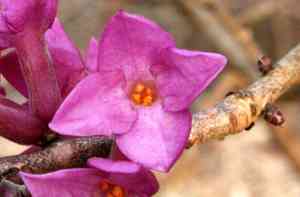
Eastern leatherwood (Dirca palustris)
Also known as: Leatherwood
Eastern Leatherwood (Dirca palustris) is a shrub that can sometimes be found in the woodlands of the eastern United States. This plant can be tricky to identify and is often mistaken for the more prevalent Spicebush. The term "palustris" in its Latin name indicates its swampy habitat.
In This Article
Attributes of Eastern leatherwood
Lifespan
Perennial
Plant Type
Shrub
Plant Height
1.2 m to 1.8 m
Spread
1.2 m to 1.8 m
Leaf Color
Green
Flower Size
2.5 cm
Flower Color
Yellow Green Gold
Images of Eastern leatherwood
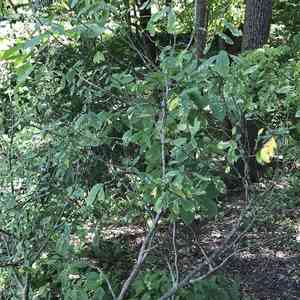
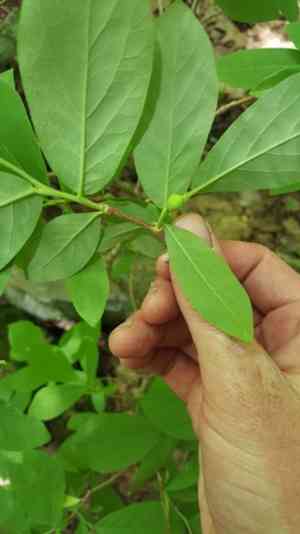
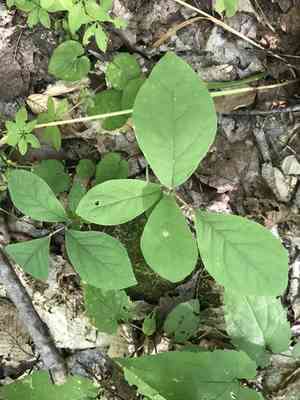
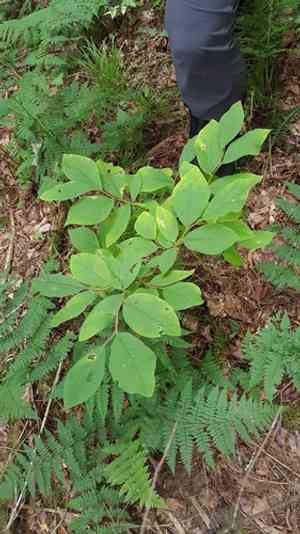
Quickly Identify Eastern leatherwood
1
Dense, rounded shape reaching 3-6 feet (1-2 meters) in height.
2
Pale yellow, bell-shaped flowers blooming before foliage in early spring.
3
Drupe fruit transitioning from green to red, emerging in June-July.
4
Oval, yellow-green leaves maturing to medium green, turning bright yellow in fall.
5
Brown jointed stems with segmented appearance, flexible and slender (0.2-0.4 inches / 5-10 mm).
Scientific Classification of Eastern leatherwood
Phylum
Vascular plants
Class
Dicotyledons
Order
Malvales
Family
Mezereum
Genus
Leatherwood
Species
Eastern leatherwood
Planting and Growing of Eastern leatherwood
Care Difficulty
Easy
Watering Schedule
Every 4 days
Sunlight Requirements
Partial sun
Sunshine Duration
6-10 hours
Ideal Temperature
50-70℉
Soil Type
Potting Mix, Peat Mix
Soil pH
5.5-7.5
Fertilizer Type
Balanced
Pruning Season
Spring, Summer
Pruning Area
Branches, Leaves
Pruning Frequency
2 times a year
Repotting Season
Spring
Pot Type
Plastic, Ceramic
 How to Water Eastern leatherwood?
When watering Dirca palustris, aim for about 500 ml of water per session. Ensure the soil is moist but not soggy, as this plant prefers well-drained conditions. Moisture should penetrate deeply, reaching the root zone to support healthy growth.
What are the symptoms of an underwatered Eastern leatherwood?
›
What should I do if my Eastern leatherwood is not getting enough water?
›
What are the symptoms of an overwatered Eastern leatherwood?
›
How to save an overwatered Eastern leatherwood?
›
 What Are the Sunlight Requirements for Eastern leatherwood?
Dirca palustris thrives under partial sun to full shade. Ideal lighting enhances chlorophyll production, aiding in the overall vigor and flowering capabilities of the plant.
More About Sunlight Requirements Techniques→
Does Dirca palustris prefer shade?
›
How much sunlight does Dirca palustris need daily?
›
What are the benefits of optimal light conditions?
›
 What Is the Ideal Temperature Range for Eastern leatherwood?
Dirca palustris, commonly known as leatherwood, thrives best in temperatures between 50°F and 70°F. This range provides the plant with optimal conditions for growth and development, ensuring that its metabolic processes function efficiently. When the temperature stays within this window, Dirca palustris can perform photosynthesis effectively and sustain healthy leaf production.
 What Soil is Best for Eastern leatherwood?
Dirca palustris thrives in soil that retains moisture well, crucial for its growth as it naturally inhabits wetlands. Moist soil simulates its native habitat, reducing drought stress and promoting healthy growth. The plant benefits from nutrient-rich soil, which provides essential minerals for its development. Fertile soil enhances the plant’s vigor, flowering, and overall resilience against diseases. While moisture is essential, good drainage is equally important to prevent root rot. Dirca palustris do not tolerate standing water, making well-drained soil a necessity for optimal root health.
 How to Fertilize Eastern leatherwood?
For Dirca palustris, it is essential to apply fertilizers in moderation. Use a balanced liquid fertilizer at half the recommended strength to avoid over-fertilization, especially during the growing season. For slow-release fertilizers, apply at half a cup around the base of the plant during the early spring.
 How to Prune Eastern leatherwood?
Be gentle when handling branches of Dirca palustris as they are notoriously brittle. Avoid aggressive bending or twisting during pruning to prevent accidental breakage. Avoid pruning late in the fall as it may precipitate winter injuries. Properly timed cuts in spring allow the plant to recover quickly and encourage vibrant growth during the growing season.
More About Pruning Techniques→
 How to Propagate Eastern leatherwood plant?
1
Harvest seeds from mature Dirca palustris plants when they are ripe. Be gentle to not damage the seeds or surrounding plant tissue. Clean them to remove any pulp or residue.
2
Select young, healthy stems to use as cuttings. Cut at an angle below a node to include a couple of leaves, and remove any that will be buried in the soil.
3
For cuttings, plant them in well-draining potting mix. For seeds, sow them on the surface and cover lightly with soil. Provide enough water to keep the medium moist but not waterlogged.
 How to Repot Eastern leatherwood plant?
1
Dirca palustris, or leatherwood, should be repotted if you observe stunted growth, roots protruding through drainage holes, or the soil drying out too quickly. These signs indicate the plant has outgrown its current pot and requires more space or fresh soil. Repotting during spring or autumn helps minimize transplant shock and support optimal growth by aligning with the plant's natural growing cycles.
2
Select a pot that is one size larger than the current one, ensuring it has adequate drainage holes. This allows room for root expansion and prevents water from stagnating at the base, reducing the risk of root rot. A clay pot is often ideal because it encourages soil aeration and moisture regulation, mimicking the natural environment of Dirca palustris.
3
Opt for well-draining, rich loam soil to provide nutrients while allowing excess water to escape. This soil mixture emulates the natural forest ambiance where leatherwood thrives, offering balanced moisture retention and necessary nutrients to promote healthy growth. Adding organic matter can further enhance soil fertility, benefiting your plant significantly.
Toxicity
Ingestion, Skin contact
WARNING
The judgment on toxicity and danger is for reference only. We DO NOT GUARANTEE any accuracy of such judgment. Therefore, you SHALL NOT rely on such judgment. It is IMPORTANT TO SEEK PROFESSIONAL ADVICE in advance when necessary.
Learn More About Eastern leatherwood Diseases
Anthracnose
Bacterial Leaf Spot
Bacterial Soft Rot
Bacterial Wilt
Chemical Injury
Crown Gall
Cyst Nematode
Damping-off
Downy Mildew
Drought Stress
Fusarium Wilt
Gray Mold
Leaf Spot
Mosaic
Nutrient Deficiency
Nutrient Toxicity
Powdery Mildew
Root Rot
Root-knot Nematode
Sooty Mold
Spider Mites
Temperature Stress
Thrips Damage
White Mold



