How to Prune Southern bush monkeyflower?
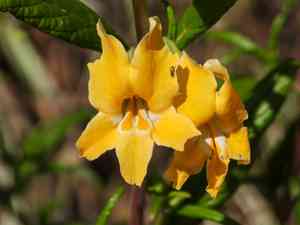
The Southern bush monkeyflower, recognized for its vivid blooms and dense shrub structure, thrives with early spring trimming. Concentrate on eliminating deceased or compromised branches to foster robust development. Reduce approximately one-third of the mature stalks to stimulate fresh sprouts, thereby enhancing the plant's general contour and blossoming capacity. Early spring pruning guarantees that new growth strengthens prior to winter. This method improves air movement, lowers the chance of illness, and preserves a tidy look.
What Are the Benefits of Pruning Southern Bush Monkeyflower?
What Are the Benefits of Pruning Southern Bush Monkeyflower?
Trimming southern bush monkeyflower encourages robust development, helps maintain its form, and improves its overall look. By eliminating dead or damaged limbs, gardeners can enhance air circulation and light exposure, supporting healthy growth and lowering pest and disease risks.
What Is the Best Time for Pruning Southern Bush Monkeyflower?
What Is the Best Time for Pruning Southern Bush Monkeyflower?
Early spring is the optimal period to trim southern bush monkeyflower as it aligns with the plant's growth cycle. This timeframe allows for rapid recovery and stimulates vigorous new growth. Pruning in early spring helps prevent cutting off new buds, ensuring the plant's blooming phase remains undisturbed. Additionally, it minimizes disease risk by pruning before the active growing season.
What Tools Do I Need to Prune Southern Bush Monkeyflower?
Bypass Pruners
Perfect for clean cuts on live stems, crucial for shaping and removing dead or unhealthy branches of southern monkeyflower.
Anvil Pruners
Useful for severing thicker branches that might be harder to cut with bypass pruners.
Pruning Shears
Excellent for detailed trimming tasks, enabling precise shaping and cutting of southern monkeyflower's growth.
Loppers
Essential for reaching and cutting thicker, less accessible branches, ensuring proper air flow and development.
How to Prune Southern Bush Monkeyflower
Inspection
Start by examining southern bush monkeyflower for any diseased foliage, withered leaves, dead branches, or infected branches. Identifying these parts first is vital for effective pruning.
Sanitize
Disinfect your pruning tools to prevent disease spread. Clean them with a one-part bleach to nine-parts water solution before beginning the pruning process.
Remove diseased leaves
Carefully take off all diseased leaves from southern bush monkeyflower. Make clean cuts near the base of the leaf stem, avoiding tears.
Remove withering leaves
Trim withered leaves by snipping them at their base. Ensure no part of the withered leaf remains on southern bush monkeyflower, as it could harbor diseases.
Remove dead branches
Cut dead branches back to a healthy node or the main stem. Ensure cuts are clean and angled slightly to promote proper healing.
Remove diseased branches
Sever any diseased branches from southern bush monkeyflower, making sure to cut a few inches below the visible infection. Dispose of these branches properly to prevent pathogen spread.
Cleanup
After pruning, clear all debris around southern bush monkeyflower to maintain plant health and reduce further disease risk. This also helps keep the garden tidy and prevents issues from leftover dead material.
Common Pruning Mistakes with Southern Bush Monkeyflower
Improper technique
Using dull tools or incorrect cutting angles can harm the plant. Sharp, clean tools are vital for precise cuts that heal correctly.
Over-pruning
Removing too much foliage at once can stress southern bush monkeyflower, reducing its vigor and blooming potential.
Pruning at the wrong time
Although the optimal pruning season isn't discussed here, incorrect timing can lead to fewer blooms and increased disease susceptibility.
Common Pruning Tips for Southern Bush Monkeyflower
Use sharp, clean tools
Ensure all pruning tools are sharp and sterilized to prevent disease introduction and to make clean cuts.
Prune selectively
Focus on removing dead, diseased, or damaged growth, as well as any crossing branches that might hinder air circulation and light penetration.
Encourage bushiness
Lightly trim branch tips to promote a denser, bushier growth habit, which will result in more abundant flowering.



