How to Prune Chaparral bush monkeyflower?
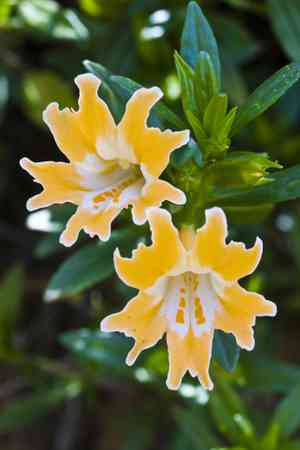
Mimulus aurantiacus is a robust evergreen shrub characterized by vivid tubular blossoms and narrow foliage. For Mimulus aurantiacus, conduct pruning in late winter or early spring, prior to the emergence of new shoots. Concentrate on excising deceased or impaired branches and reducing crowded sections to foster air circulation and vitality. Refrain from severe pruning; instead, perform light trimming to sculpt and preserve its form. Consistent pruning boosts bloom production and aids in disease prevention. Refer to regional horticultural recommendations for specific methods and timing modifications.
Advantages of Trimming Chaparral Bush Monkeyflower
Advantages of Trimming Chaparral Bush Monkeyflower
Chaparral bush monkeyflower thrives with pruning, promoting vigorous growth and maintaining its form. Regular trimming fosters robust development, more vibrant blossoms, and helps manage the plant's size and look, enhancing its resistance to pests and diseases.
Optimal Time for Trimming Chaparral Bush Monkeyflower
Optimal Time for Trimming Chaparral Bush Monkeyflower
Trimming chaparral bush monkeyflower in early spring and late winter aligns with its growth cycle, ensuring minimal disruption to its natural progression. This timing allows gardeners to remove any dead or damaged branches before the active growth phase begins, which promotes healthier growth. Additionally, pruning during these seasons can help shape the plant before it starts producing new buds, leading to a more vibrant and robust flowering period. Performing these tasks before the full onset of the growing season reduces stress on the plant and aids in achieving optimal health and aesthetic appeal.
Tools Required for Trimming Chaparral Bush Monkeyflower
Hand Pruners
Perfect for precise cuts on smaller branches and stems, typically up to ¾ inch in diameter. Essential for the detailed trimming chaparral bush monkeyflower may need.
Loppers
Ideal for thicker branches too large for hand pruners, usually 1 to 2 inches in diameter. Necessary for maintaining shape and removing dead or overgrown wood.
Pruning Saw
Suitable for cutting through branches larger than 2 inches in diameter. Useful for older, more established plants where thicker branches need trimming.
Bypass Pruners
Provide cleaner cuts without crushing stems, which is vital for the health of chaparral bush monkeyflower.
Gloves
To protect hands from the rough or thorny branches that certain wild varieties might present.
How to Trim Chaparral Bush Monkeyflower
Inspect
Examine chaparral bush monkeyflower carefully to identify any diseased or withered leaves.
Prepare
Ensure your pruning shears are clean and sharp to make clean cuts and prevent disease spread.
Trim diseased leaves
Cut off any diseased leaves close to the stem but avoid cutting into the stem itself to minimize damage.
Trim withered leaves
Remove withered leaves by cutting at the base of the leaf stalk where it meets the stem. For stubborn leaves, take care to avoid damaging surrounding healthy tissue.
Dispose
Properly dispose of all removed leaves to prevent potential disease spread back to chaparral bush monkeyflower.
Common Trimming Errors with Chaparral Bush Monkeyflower
Over-pruning
Removing too much foliage can stress chaparral bush monkeyflower and hinder its ability to photosynthesize, leading to poor health and reduced flowering.
Incorrect cuts
Making improper cuts, such as leaving stubs or cutting too close to a bud, can cause damage and make chaparral bush monkeyflower susceptible to diseases.
Pruning at inappropriate times
Pruning during the wrong developmental stage can remove flower buds and reduce blooming, or it can lead to an increased vulnerability to pests and diseases.
Ignoring plant shape and growth habit
Failing to understand the natural growth habit of chaparral bush monkeyflower can lead to an unnatural appearance or structural weakness.
General Trimming Advice for Chaparral Bush Monkeyflower
Use sharp, clean tools
Always use sharp and sterilized pruning shears to make clean cuts and prevent the spread of diseases.
Prune selectively
Focus on removing dead, damaged, or diseased branches, as well as any that cross or rub against each other, to maintain the health and structure of chaparral bush monkeyflower.
Respect the plant's architecture
Understand the natural growth form of chaparral bush monkeyflower and prune accordingly to maintain its aesthetic appeal and structural integrity.
Light pruning regularly
Conduct light, regular pruning rather than heavy, infrequent cuts. This encourages better growth and more flowers.
Monitor environmental factors
Observe how chaparral bush monkeyflower responds to pruning under various conditions and adjust your techniques as necessary to optimize its health and flowering potential.



