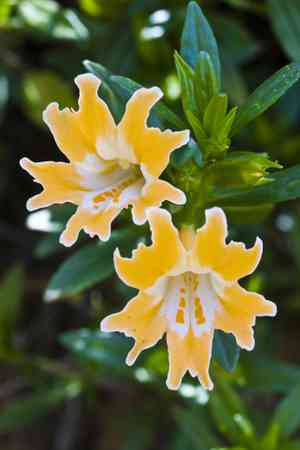
Chaparral bush monkeyflower (Diplacus linearis)
Also known as: Linear-leaved monkeyflower
The Chaparral bush monkeyflower features small, waxy leaves that help minimize water loss in its arid habitat. Its modest size and deep root system allow it to access underground water reserves. The plant produces bright flowers that attract pollinators, crucial for its survival and reproduction. Additionally, it may shed leaves during extreme drought and has a thick cuticle and hairy leaves to further reduce water evaporation and reflect sunlight.
In This Article
Attributes of Chaparral bush monkeyflower
Lifespan
Perennial
Plant Type
Herb
Plant Height
0.5 to 1 foot
Spread
1 to 2 feet
Leaf Color
Green
Flower Size
1 to 1.5 inches
Flower Color
Yellow, Orange, Red
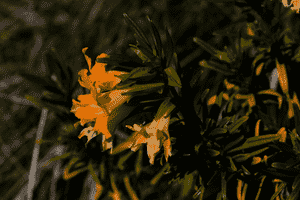
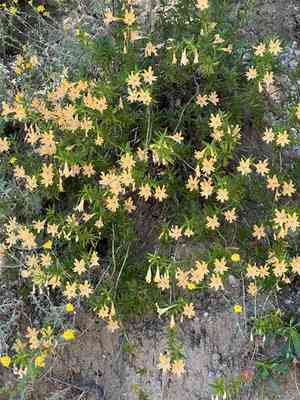
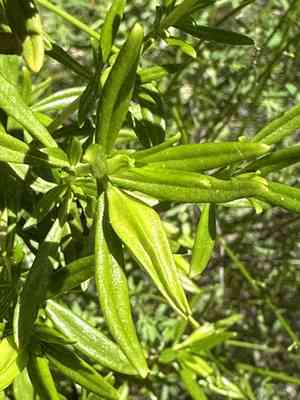
Images of Chaparral bush monkeyflower
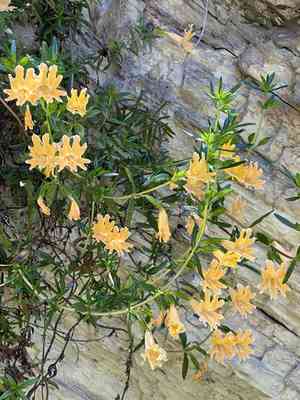
Quickly Identify Chaparral bush monkeyflower
1
Diplacus linearis can be identified by its linear to lance-shaped leaves and the distinctive tubular flowers, which exhibit a range of colors from yellow to reddish hues. The plant usually grows low to the ground and can be recognized by its herbaceous stems.
Scientific Classification of Chaparral bush monkeyflower
Phylum
Vascular plants
Class
Dicotyledons
Order
Lamiales
Family
Lopseed
Genus
Bush monkeyflowers
Species
Chaparral bush monkeyflower
Planting and Growing of Chaparral bush monkeyflower
Care Difficulty
Moderate
Watering Schedule
Every 2 days
Sunlight Requirements
Full sun
Sunshine Duration
6-10 hours
Ideal Temperature
60-80℉
Soil Type
Potting Mix, Peat Mix
Soil pH
6.5-7.5
Fertilizer Type
Balanced
Pruning Season
Spring, Summer
Pruning Area
Branches, Leaves
Pruning Frequency
2 times a year
Repotting Season
Spring
Pot Type
Plastic, Terracotta
 How to Water Chaparral bush monkeyflower?
Diplacus linearis thrives when watered moderately. Water the plant thoroughly but allow the topsoil to dry out between waterings. This means watering until the soil is moist but not soggy, around 200ml is usually sufficient. Ensure that the water drains well to prevent waterlogging.
What are the symptoms of an underwatered Chaparral bush monkeyflower?
›
What should I do if my Chaparral bush monkeyflower is not getting enough water?
›
What are the symptoms of an overwatered Chaparral bush monkeyflower?
›
How to save an overwatered Chaparral bush monkeyflower?
›
 What Are the Sunlight Requirements for Chaparral bush monkeyflower?
Diplacus linearis thrives in full sun to partial shade, meaning exposure to at least 6 to 8 hours of sunlight daily. Ideal lighting promotes vibrant flowering and robust growth, enhancing its ornamental qualities.
Optimal Sun Exposure
›
Perfect Spot Identification
›
Maximizing Sun Efficiency
›
 What Is the Ideal Temperature Range for Chaparral bush monkeyflower?
The ideal temperature range for Diplacus linearis is between 60°F and 80°F. This range allows the plant to grow optimally, promoting healthy foliage and flower development. Ensuring the plant stays within this temperature range can prevent stress and support vibrant blooms.
 What Soil is Best for Chaparral bush monkeyflower?
Diplacus linearis thrives in well-drained soil to prevent root rot. Having good drainage ensures that water does not accumulate around the roots, which can lead to fungal diseases and poor oxygenation of the plant tissues. It allows the roots to access necessary nutrients while maintaining health and structure. This plant benefits from soil rich in organic matter to support its growth and vibrant blooms. Nutrient-rich soil supplies the essential minerals and nutrients needed for robust growth, leading to more lush foliage and prolonged flowering periods. While Diplacus linearis prefers well-draining soil, it also requires soil that can retain some moisture. This balance ensures that the plant does not dry out too quickly between watering, providing essential hydration without waterlogging.
 How to Fertilize Chaparral bush monkeyflower?
Diplacus linearis requires a balanced application of nutrients. For liquid fertilizers, use a diluted solution of 10-10-10 NPK, focusing on giving each plant about 250 ml per application. This ensures that you provide essential nutrients without overwhelming the root system.
 How to Prune Chaparral bush monkeyflower?
Start by trimming excessive growth to maintain the plant’s natural shape. Cut the stems back to just above a healthy node, which will encourage new growth and fuller foliage. Gradually shape the plant into a pleasing form by selectively cutting back errant stems. Use your shears to create a balanced appearance, keeping the center open to allow light penetration. Thin out the inner growth to ensure good air circulation. Overcrowded branches can lead to fungal infections, so removing some inner stems can prevent this and keep the plant healthy.
More About Pruning Techniques→
 How to Propagate Chaparral bush monkeyflower plant?
1
Choose a healthy and mature Diplacus linearis plant from which to take cuttings or collect seeds. The parent plant should be free from diseases and pests to ensure the best chance for successful propagation.
2
Select 4-6 inch cuttings from non-flowering shoots and remove the lower leaves. Dip the cut end into a rooting hormone to stimulate root growth before planting in moist potting soil.
3
Sow collected seeds thinly on the surface of seedling trays filled with potting soil. Lightly cover the seeds with soil or vermiculite and water gently to keep the soil consistently moist.
 How to Repot Chaparral bush monkeyflower plant?
1
Look for signals like roots emerging from the drainage holes, slowed growth, or soil compacting. These are strong indicators that Diplacus linearis needs a new pot.
2
Opt for a pot that's one size larger than the current one, preferably with drainage holes. This prevents overwatering risks and provides ample space for the plant to expand comfortably.
3
Use a well-draining potting mix like a cactus or succulent blend. This ensures that the roots stay aerated and are less prone to waterlogging, promoting healthy growth.
Learn More About Chaparral bush monkeyflower Diseases
Anthracnose
Bacterial Leaf Spot
Bacterial Soft Rot
Bacterial Wilt
Black Spot
Chemical Injury
Crown Gall
Cyst Nematode
Damping-off
Downy Mildew
Drought Stress
Fusarium Wilt
Gray Mold
Leaf Curl
Leaf Spot
Mosaic
Nutrient Deficiency
Nutrient Toxicity
Powdery Mildew
Root Rot
Root-knot Nematode
Rusts
Sooty Mold
Spider Mites
Temperature Stress
Thrips Damage
White Mold



