How to Prune Largeflower bush monkeyflower?
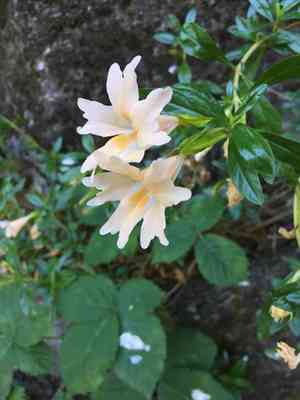
Showcasing expansive, vivid blossoms, largeflower bush monkeyflower benefits from early spring trimming to foster robust development and plentiful flowering. Begin by excising any deceased or compromised branches, then reduce the plant by as much as one-third to sculpt its form and manage its size. Performing this horticultural task during this period capitalizes on the plant's vigorous growth phase, leading to a more compact and bloom-rich appearance. Consistent trimming additionally enhances air movement and diminishes the likelihood of illness.
What Are the Benefits of Pruning Largeflower Bush Monkeyflower?
What Are the Benefits of Pruning Largeflower Bush Monkeyflower?
Pruning largeflower bush monkeyflower helps maintain its form, encourages robust development, boosts blooming, and enhances resistance to pests and diseases. Regular trimming ensures largeflower bush monkeyflower stays manageable and attractive, fostering a healthier, stronger plant.
What Is the Best Time for Pruning Largeflower Bush Monkeyflower?
What Is the Best Time for Pruning Largeflower Bush Monkeyflower?
Trimming largeflower bush monkeyflower in early spring is ideal as it aligns with the plant's growth cycle, minimizing stress and promoting vigorous new growth. Pruning before the bloom period allows the plant to direct energy towards producing vibrant flowers. Additionally, this timing aids in removing any winter-damaged branches, supporting overall plant health and vitality.
What Tools Do I Need to Prune Largeflower Bush Monkeyflower?
Bypass Pruners
Perfect for clean, precise cuts on live stems and branches of largeflower bush monkeyflower. Given largeflower bush monkeyflower's delicate and often fibrous stems, bypass pruners help reduce harm.
Pruning Shears
Useful for trimming smaller branches and shaping largeflower bush monkeyflower. Sharp blades are crucial for making neat cuts.
Loppers
Suitable for cutting thicker, harder-to-reach branches. Loppers provide the necessary leverage to cut through tougher, mature growth of largeflower bush monkeyflower.
Hedge Shears
Effective for shaping and maintaining the overall appearance of largeflower bush monkeyflower. Hedge shears assist in quickly trimming multiple stems at once, ensuring an even shape.
How to Prune Largeflower Bush Monkeyflower
Assess
Carefully examine largeflower bush monkeyflower for any indications of disease, wilting, or dead sections. Focus on identifying diseased leaves, withered leaves, and dead or diseased branches.
Tools
Prepare clean, sharp pruning implements such as shears or scissors. Sanitize them with rubbing alcohol to prevent disease transmission.
Diseased leaves
Remove any diseased leaves by cutting them off at the point where they connect to the stem. Dispose of these leaves away from the plant to prevent contamination.
Withering leaves
Trim away withered leaves by cutting them back to a healthy part of the stem. If the entire leaf is affected, remove it completely.
Dead diseased branches
Prune dead branches by cutting back to living, healthy tissue. For diseased branches, trim well below the affected area to ensure complete removal of diseased parts.
Common Pruning Mistakes with Largeflower Bush Monkeyflower
Improper technique
Using dull or unsuitable tools can result in jagged cuts, making the plant more vulnerable to disease and pests.
Over-pruning
Removing too much foliage at once can stress largeflower bush monkeyflower, leading to reduced flowering and slower recovery.
Pruning at the wrong nodes
Cutting too close to the main stem or leaving too much of the branch stub can impede new growth and cause dieback.
Uneven cuts
Making cuts at inconsistent angles can lead to water accumulation on the cuts, promoting rot and fungal infections.
Common Pruning Tips for Largeflower Bush Monkeyflower
Use sharp tools
Always use sharp, clean tools to make clean cuts, minimizing damage and the risk of infection.
Moderation is key
Only remove about one-third of the plant's foliage at a time to allow largeflower bush monkeyflower to recover quickly.
Correct placement of cuts
Make cuts just above a leaf node or bud to encourage optimal new growth.
Consistent cutting angles
Cut at a slight angle to allow water to run off easily, preventing water from sitting on the cut surface.



