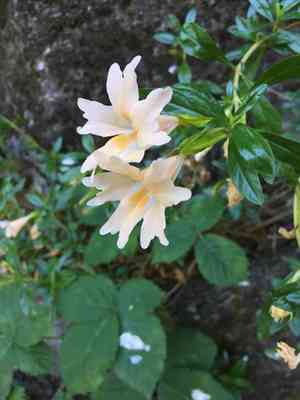
Largeflower bush monkeyflower (Diplacus grandiflorus)
Also known as: Sticky Monkeyflower, Shrubby Monkeyflower
The largeflower bush monkeyflower is notable for its vibrant, trumpet-shaped flowers in shades of orange, red, or yellow. This plant thrives in dry, open areas with well-drained soils and ample sunlight. An evergreen shrub, it features dark green, lance-shaped leaves that highlight its eye-catching blooms. These flowers are particularly attractive to pollinators like hummingbirds, and the plant is well-adapted to withstand drought conditions.
In This Article
Attributes of Largeflower bush monkeyflower
Lifespan
Perennial
Plant Type
Shrub
Plant Height
30 cm to 91 cm
Spread
45 to 60 cm
Leaf Color
Green
Flower Size
4 to 5 cm
Flower Color
Yellow, Orange
Images of Largeflower bush monkeyflower
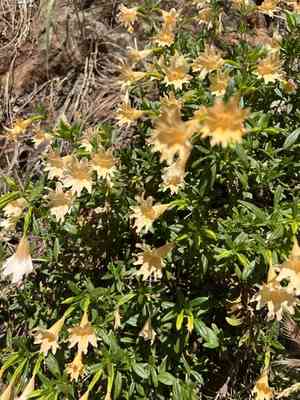

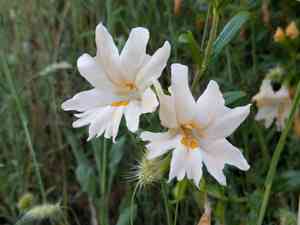
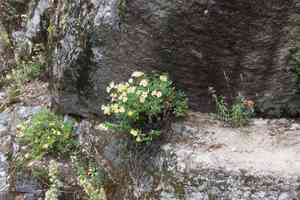
Quickly Identify Largeflower bush monkeyflower
1
Identifying Diplacus grandiflorus can be done by looking for its large, trumpet-shaped flowers which vary in color from yellow to orange. The leaves are sticky to the touch and have a lanceolate to ovate shape.
Scientific Classification of Largeflower bush monkeyflower
Phylum
Vascular plants
Class
Dicotyledons
Order
Lamiales
Family
Lopseed
Genus
Bush monkeyflowers
Species
Largeflower bush monkeyflower
Planting and Growing of Largeflower bush monkeyflower
Care Difficulty
Moderate
Watering Schedule
Every 3 days
Sunlight Requirements
Full sun
Sunshine Duration
6-8 hours
Ideal Temperature
60-75℉
Soil Type
Potting Mix, Peat Mix
Soil pH
6.5-7.5
Fertilizer Type
Balanced
Pruning Season
Spring, Summer
Pruning Area
Branches, Leaves
Pruning Frequency
2 times a year
Repotting Season
Spring
Pot Type
Plastic, Ceramic
 How to Water Largeflower bush monkeyflower?
The ideal amount of water for Diplacus grandiflorus is about 200 milliliters. The goal is to soak the soil thoroughly without leaving it waterlogged. This plant prefers well-draining soil, so ensure the water drains completely from the pot to prevent root rot.
What are the symptoms of an underwatered Largeflower bush monkeyflower?
›
What should I do if my Largeflower bush monkeyflower is not getting enough water?
›
What are the symptoms of an overwatered Largeflower bush monkeyflower?
›
How to save an overwatered Largeflower bush monkeyflower?
›
 What Are the Sunlight Requirements for Largeflower bush monkeyflower?
Diplacus grandiflorus ideally grows under full to partial sun conditions. This light range ensures robust growth, vibrant flowering, and overall plant health by supporting efficient photosynthesis and nutrient uptake.
How much light does Diplacus grandiflorus need?
›
What are some solutions for achieving ideal lighting?
›
What are the benefits of ideal lighting for the plant?
›
 What Is the Ideal Temperature Range for Largeflower bush monkeyflower?
Diplacus grandiflorus thrives best in temperatures between 60°F to 75°F. This range supports optimal growth by ensuring the plant's metabolic processes function efficiently. Maintaining this temperature range helps in achieving vibrant blooms and healthy foliage.
 What Soil is Best for Largeflower bush monkeyflower?
Diplacus grandiflorus thrives in soil with excellent drainage, as it prevents root rot and ensures the plant receives adequate oxygen. Good drainage allows the roots to absorb necessary nutrients effectively, contributing to healthier blooms. Preferring a pH range between 6.5 and 7.5, this plant requires slightly acidic to neutral soil conditions to maximize nutrient uptake. The right pH levels support robust growth and vibrant flower production. Diplacus grandiflorus benefits from soil with moderate fertility. While it doesn’t need heavily fertilized conditions, an adequate supply of nutrients supports lush foliage and sustained flowering throughout the growing season.
 How to Fertilize Largeflower bush monkeyflower?
For Diplacus grandiflorus, the recommended fertilizer amount is moderate. It thrives on a balanced nutrient supply. Use a liquid fertilizer diluted to half strength at the suggested frequency, and for slow-release fertilizers, follow the package instructions while ensuring not to exceed one teaspoon per application, especially during its growing seasons.
 How to Prune Largeflower bush monkeyflower?
To prune Diplacus grandiflorus, begin by using clean, sharp pruning shears. First, remove any dead or diseased branches. Next, trim back any overgrown or leggy sections to maintain the desired shape. Always cut just above a leaf node to encourage new growth. When shaping, aim to create an open structure that allows light and air to reach the interior parts of the plant. This practice not only enhances the plant's aesthetic appeal but also boosts its health by reducing the risk of fungal infections.
More About Pruning Techniques→
 How to Propagate Largeflower bush monkeyflower plant?
1
Collect ripe seeds from mature Diplacus grandiflorus plants. Ensure the seeds are fully mature by checking their color and texture. Clean the seeds to remove any plant material and store them in a dry, cool place until ready to plant.
2
Choose healthy stems from a mature plant. Using pruning shears, cut below a node to ensure the cutting has adequate growth potential. Remove the lower leaves from the cutting, leaving a few at the top to facilitate photosynthesis.
3
Plant seeds or cuttings in a potting mix that retains moisture but drains well. Water gently to settle the soil around the seeds or cuttings without causing erosion. Keep the soil consistently moist but not waterlogged to encourage root development.
 How to Repot Largeflower bush monkeyflower plant?
1
Diplacus grandiflorus typically needs repotting when you notice roots starting to grow through the drainage holes, or when growth appears stunted despite optimal care. Another sign might be that the soil retains water for too long, indicating compacted soil that requires replacement. Spring and autumn are ideal as the plant enters periods of active growth, allowing it to recover and establish quickly in its new setting.
2
Select a pot that is one size larger than the current one, with ample drainage holes to prevent waterlogging. Terracotta pots are a fantastic choice because their porous nature allows airflow to the roots, reducing the risk of root rot. Ensure the new pot has enough depth to support the plant’s root system and future growth, which promotes healthier development.
3
The ideal soil for Diplacus grandiflorus should be well-draining to prevent root rot. A mix containing potting soil, perlite, and sand ensures optimal drainage while retaining enough moisture. This blend mimics the plant’s natural habitat, allowing roots to breathe and access nutrients effectively, supporting robust growth and vibrant blooms.
Learn More About Largeflower bush monkeyflower Diseases
Anthracnose
Bacterial Leaf Spot
Bacterial Soft Rot
Bacterial Wilt
Crown Gall
Cyst Nematode
Damping-off
Downy Mildew
Drought Stress
Fusarium Wilt
Gray Mold
Leaf Curl
Leaf Spot
Mosaic
Nutrient Deficiency
Nutrient Toxicity
Powdery Mildew
Root Rot
Root-knot Nematode
Rusts
Sooty Mold
Spider Mites
Temperature Stress
Thrips Damage
White Mold



