How to Prune Ebony?
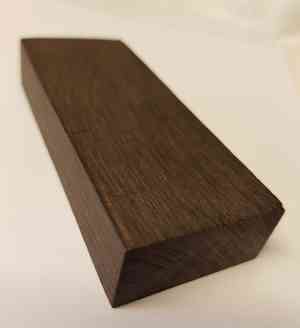
Renowned for its rich, dark timber and abundant leaves, ebony necessitates meticulous trimming to preserve its vitality and visual appeal. Trimming ought to occur in the winter season while the plant is inactive, fostering robust growth in the spring. Eliminate deceased or excessively dense branches to improve light exposure and air movement. This action not only sculpts ebony but also wards off illnesses and elevates the wood's caliber, which is crucial for ebony's prized lumber. Emphasize precise, slanted cuts to avert harm and guarantee a sound recuperation.
What Are the Benefits of Pruning Ebony?
What Are the Benefits of Pruning Ebony?
Trimming ebony promotes robust development and maintains its desired form. Regular cutting helps eliminate dead or weak limbs, improving plant vitality and appearance.
What Is the Best Time for Pruning Ebony?
What Is the Best Time for Pruning Ebony?
Winter is considered the optimal period for trimming ebony because the plant is typically inactive. During dormancy, the absence of active growth means the plant will experience less stress when branches are removed. This timing allows ebony to direct energy into healing cuts and preparing for vigorous spring growth. Additionally, winter pruning minimizes disease and pest risk, as many pathogens and pests are less active in colder months. This season offers clear visibility of the plant structure due to leaf absence, enabling more precise cuts that enhance the plantâs overall health and shape.
What Tools Do I Need to Prune Ebony?
Bypass Pruners
Perfect for making clean, precise cuts on smaller ebony branches, crucial for maintaining plant health and aesthetic appeal.
Loppers
Ideal for thicker branches that bypass pruners can't handle, allowing efficient cutting without wood damage.
Pruning Saw
Essential for cutting through the densest, thickest ebony branches, especially useful for mature plants with substantial wood growth.
Hedge Shears
Useful for shaping and maintaining ebony's dense foliage, providing a uniform look while encouraging new growth.
How to Prune Ebony
Identify
Locate and mark dead or diseased ebony branches. Use a bright ribbon or marker to clearly indicate which branches require removal. Target branches that appear unhealthy, damaged, or show disease symptoms.
Sanitation
Disinfect your pruning tools before and after use to prevent disease transmission. Use a 1:9 bleach-to-water solution or commercial garden tool disinfectants.
Cutting technique
Employ sharp, clean pruning shears or a saw, depending on branch thickness. Make clean cuts at a 45-degree angle, approximately 1/4 inch above an outward-facing bud on ebony to encourage proper new growth.
Disposal
Carefully remove cut branches from the area and dispose of them correctly. Do not compost diseased or dead wood, as this can spread pathogens and infect other parts of your garden or ebony.
Monitoring
After pruning, regularly observe ebony for signs of new growth or further distress. Early detection can help manage any new issues effectively.
Common Pruning Mistakes with Ebony
Overpruning
Removing too much foliage from ebony can severely stress the plant. Typically, excising over one-third of the total canopy in a single season can lead to reduced vigor and compromised health.
Improper cuts
Making cuts too close to the trunk or remaining branch can harm ebony's delicate cambium layer, hindering proper healing and potentially leading to infections or pest issues.
Flush cuts
Cutting flush against the trunk when removing ebony limbs can create large wounds that don't heal correctly, increasing disease risk.
Neglecting tool sanitation
Using uncleaned tools can introduce or spread diseases to ebony, especially if previously used on infected plants.
Common Pruning Tips for Ebony
Selective thinning
Focus on gradually thinning the canopy to improve light penetration and air circulation. This promotes healthy growth and reduces disease risk in ebony.
Correct cutting technique
When removing branches, always cut at a slight angle just above an outward-facing bud. This encourages outward growth and helps water drain from the cut surface, minimizing disease risks.
Maintenance of tools
Ensure all pruning tools are sharp and clean. This results in cleaner cuts that heal faster and reduces the likelihood of spreading diseases to ebony.
Judicious pruning
Prune sparingly and assess the tree's reaction before making additional cuts. This gradual approach helps maintain ebony's structural integrity and health.



