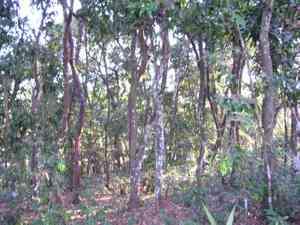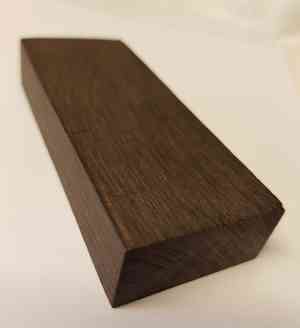
Ebony(Diospyros ebenum)

Ebony (Diospyros ebenum)

Also known as: Ceylon ebony

Teak is a tropical deciduous tree recognized for its resilient, dark heartwood. The tree itself grows tall with a straight, cylindrical trunk and dense foliage of broad, glossy leaves. Thriving in warm, humid climates, teak wood is highly valued for its straight grain, smooth texture, and rich golden to dark brown color. The high natural oil content of teak makes it exceptionally resistant to decay, pests, and weathering, ensuring its longevity in various applications.

**Uses:**
- **Outdoor Furniture:** Perfect for garden and patio furniture due to its durability.
- **Marine Applications:** Ideal for boat decking and other marine uses due to its water-resistant properties.
- **High-End Construction:** Used for premium flooring and paneling.
- **Craftsmanship:** Suitable for intricate carvings and high-quality veneers.

Teak's combination of durability, aesthetic appeal, and low maintenance makes it a preferred choice for both functional and decorative purposes.

Attributes of Ebony

Lifespan
Perennial
Plant Type
Tree
Plant Height
20-25 meters
Spread
7-10 meters
Leaf Color
Dark green
Flower Size
1-1.5 cm
Flower Color
White

ForwardPlant - Identify plants with a snap

Identify and diagnose plants, get toxicity alerts, and explore safety guides for all types of fungi.

Try for Free

Images of Ebony

Ebony(Diospyros ebenum)

Quickly Identify Ebony

1
Diospyros ebenum can be identified by its dark, nearly black heartwood. The tree has simple, alternating leaves and small, bell-shaped flowers that are typically white in color. The fruit is a berry, often green or yellow when unripe, turning black when fully mature.

Scientific Classification of Ebony

Phylum
Vascular plants
Class
Dicotyledons
Order
Ericales
Family
Ebony
Genus
Diospyros
Species
Ebony

Planting and Growing of Ebony

Care Difficulty
Hard
Watering Schedule
Every day
Sunlight Requirements
Partial sun
Sunshine Duration
4-8 hours
Ideal Temperature
65-85℉
Soil Type
Potting Mix, Peat Mix
Soil pH
6.5-7.5
Fertilizer Type
Balanced
Pruning Season
Spring, Summer
Pruning Area
Branches, Leaves
Pruning Frequency
2 times a year
Repotting Season
Spring
Pot Type
Plastic, Ceramic

water icon How to Water Ebony?

When watering Diospyros ebenum, aim to ensure the soil is thoroughly moistened without becoming waterlogged. Approximately 300 ml per watering session is ideal, ensuring the moisture reaches the root zone but does not pool at the bottom.
What are the symptoms of an underwatered Ebony?
What should I do if my Ebony is not getting enough water?
What are the symptoms of an overwatered Ebony?
How to save an overwatered Ebony?

sunlight icon What Are the Sunlight Requirements for Ebony?

Sunlight Requirements: Partial sun
Duration of light: 4 to 6 hours
Partial sun is ideal, striking a balance between light and shade, ensuring robust growth and preventing sun damage while maintaining vibrant foliage.
What is the ideal light exposure?
How can we ensure it gets ideal light exposure?
What are the benefits of ideal light exposure?

temperature icon What Is the Ideal Temperature Range for Ebony?

Ideal Temperature: 65 ~ 85℉
The ideal temperature range for Diospyros ebenum lies between 65°F and 85°F. This range provides optimal conditions for growth, allowing the plant to photosynthesize efficiently and maintain healthy physiological processes. Temperatures within this span ensure that the plant does not endure stress, which can lead to stunted growth or diminished overall health. Regular monitoring and maintenance of temperature within this range will promote robust and steady development.

soil icon What Soil is Best for Ebony?

Soil type: Loam, Sandy loam, Sand soil
Soil PH: 6.5 ~ 7.5
Diospyros ebenum thrives in soils with excellent drainage. Ensuring water does not stagnate around roots prevents root rot and promotes healthy growth. Good drainage means the roots have access to air, reducing the risks of diseases. The soil should possess moderate fertility, enabling the plant to access essential nutrients for optimal growth. While highly fertile soil can lead to excessive vegetative growth, moderate fertility helps in maintaining a balance, promoting fruit and wood production. A loamy texture is ideal for Diospyros ebenum as it ensures the right balance of water retention and drainage. Texture affects root expansion and nutrient uptake, aiding in robust plant development.

fertilize icon How to Fertilize Ebony?

Fertilizer type: Balanced
The fertilization of Diospyros ebenum should be balanced, considering the plant's slow growing nature. A liquid fertilizer should be diluted to half its strength during its growing season. Slow-release fertilizers should be used sparingly, ensuring there's no nutrient overload.

prune icon How to Prune Ebony?

Pruning Time: Spring, Summer
Always begin by assessing the tree's overall structure. Identify any dead, damaged, or crossing branches as your target areas for pruning. Begin at the top and systematically work downward. To maintain a natural shape, make cuts just above leaf nodes, angling away from them. Shape the canopy to allow sunlight to reach the inner branches. This helps in achieving a well-balanced shape and encourages robust growth. After pruning, water the tree adequately and monitor it for any signs of stress or disease. Applying a balanced fertilizer can support recovery and encourage new growth. More About Pruning Techniques

propagate icon How to Propagate Ebony plant?

Propagate Time: Early spring, Spring, Early summer
1
Collect seeds from ripe fruits during the harvest season. Ensure the seeds are thoroughly cleaned and dried before storage to enhance successful germination.
2
Choose healthy and disease-free branches for cuttings. Trim the cuttings to a length of about 6-10 inches, ensuring that they contain at least two nodes for optimal rooting potential.
3
Select compatible rootstock and scion material for grafting. Make precise cuts and securely join the grafted materials. Use grafting tape to firmly hold the graft in place while it heals.
More About Propagating Techniques

repot icon How to Repot Ebony plant?

Repotting frequency: Every 3-4 years
1
Diospyros ebenum should be repotted when the roots start to grow out of the drainage holes, indicating that the plant has outgrown its current pot. Additionally, if the soil becomes compacted and water no longer drains properly, it might be time for a refresh. Observing yellowing leaves can also be a signal that the plant needs more space.
2
Opt for a pot that is 1-2 inches larger in diameter than the current one. Ensure it has ample drainage holes to prevent waterlogging. A wider pot allows the root system to expand, promoting healthier growth. Also, consider using clay pots for enhanced breathability, which helps keep the roots aerated.
3
Use well-draining loamy soil rich in organic matter. This type of soil provides the nutrients required for healthy growth and ensures that excess water does not linger around the roots, preventing root rot. Incorporating some perlite or sand can enhance drainage and promote root health.

ForwardPlant - Identify plants with a snap

Find the best spots for them to optimize their health, simply using your phone.

Try for Free