How to Prune Zanzibar yam?
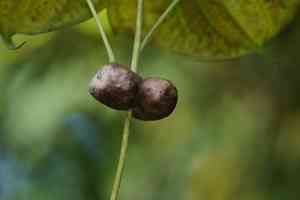
Originating from tropical regions, zanzibar yam is known for its climbing nature and carbohydrate-rich tubers. Perform trimming to preserve its form and well-being in Spring or Summer when development is robust. Discard withered or discolored foliage and shorten tendrils to stimulate denser growth. This improves air movement, lowering the likelihood of ailments. Always sanitize implements to prevent the spread of pathogens. Trimming boosts tuber dimensions and general vigor by directing the plant's resources toward fruitful development.
What Are the Benefits of Pruning Zanzibar Yam?
What Are the Benefits of Pruning Zanzibar Yam?
Trimming zanzibar yam promotes robust development by eliminating dead or congested stems, thereby enhancing air circulation. It assists in preserving the desired form, boosting zanzibar yam's visual appeal and ease of management in a garden setting.
What Is the Best Time for Pruning Zanzibar Yam?
What Is the Best Time for Pruning Zanzibar Yam?
Zanzibar yam's period of active growth typically occurs during the warmer months of late spring and early summer, following its emergence from dormancy. Pruning at this time encourages vigorous growth and allows for rapid recovery. Since blooming and fruiting usually happen after this active growth phase, pruning just before it ensures energy is directed towards new growth, potentially leading to improved flowering and fruiting. Pruning in late spring also enables gardeners to clear away any dead or damaged growth from the winter, which helps prevent disease and pests. Furthermore, performing pruning before the peak of summer reduces stress on zanzibar yam during the hottest part of the year when the plant requires all its foliage for efficient photosynthesis.
What Tools Do I Need to Prune Zanzibar Yam?
By-pass Pruners
Perfect for making clean, precise cuts on zanzibar yam's softer stems, ensuring a healthier plant by facilitating proper healing.
Long-handled Loppers
Useful for reaching zanzibar yam's higher or deeper stems that might be tangled or difficult to access with standard pruners. Their leverage also aids in cutting through thicker stems effortlessly.
Pruning Saw
Essential for removing any larger, woody stems of zanzibar yam that are too thick for loppers and pruners to handle without damaging the tool or the plant.
Gloves
Wearing sturdy gloves is advisable to shield the gardener's hands from zanzibar yam's potential skin irritants or sharp edges during pruning.
How to Prune Zanzibar Yam
Clean tools
Sanitize all pruning implements before commencing the trimming process to prevent the transmission of diseases to zanzibar yam.
Remove diseased leaves
Carefully locate and detach any diseased leaves from zanzibar yam by cutting them at the base of the leaf stem using sharp, disinfected shears.
Trim withered leaves
Identify and snip off withered leaves from zanzibar yam to maintain plant health and appearance, ensuring cuts are made close to the main stem for better wound healing.
Cut diseased stems
Excise any diseased stems from zanzibar yam, making cuts above healthy leaf nodes to encourage new growth. Completely remove these portions from the garden to avoid contamination.
Disinfect pruning sites
After pruning, apply a natural antifungal agent to the cuts on zanzibar yam to guard against infection and aid in the healing process.
Common Pruning Mistakes with Zanzibar Yam
Overpruning
Removing an excessive amount of foliage from zanzibar yam can stress the plant, leading to stunted growth and reduced vigor. It's crucial to prune no more than one-third of the plant at a time.
Pruning New Growth
Cutting off new shoots of zanzibar yam before they have matured can impede its development. Gardeners should allow new growth to harden before trimming.
Improper Tool Use
Using dull or dirty pruning tools can cause damage to zanzibar yam's tissue, leading to disease and poor healing. Always use sharp and clean tools.
Neglecting Plant Structure
Failing to comprehend zanzibar yam's growth pattern before pruning can result in a less aesthetically pleasing and potentially unhealthy plant. Gardeners should aim to preserve the natural form of zanzibar yam.
Incorrect Cut Angle
Making cuts that are too flat or too steep can prevent water from draining off the cut surface, potentially causing rot in zanzibar yam. Cuts should be made at a slight angle.
Common Pruning Tips for Zanzibar Yam
Selective Thinning
Remove only the oldest stems of zanzibar yam to improve light penetration and air flow within the canopy, which encourages healthy growth and reduces the risk of disease.
Cut Position
Make cuts just above a leaf node or branching point to promote more controlled and robust regrowth in zanzibar yam.
Clean Tools
Sterilize pruning tools before and after use on zanzibar yam to prevent the spread of disease and ensure clean, smooth cuts.
Regular Maintenance
Regularly remove dead or damaged foliage from zanzibar yam to keep the plant healthy and to encourage new growth, without waiting for a specific pruning session.
Pruning for Shape
Prune zanzibar yam to maintain its desired shape and size, but do so in a manner that respects the plant's natural growth habit to avoid unnecessary stress.



