Zanzibar yam(Dioscorea sansibarensis)

Zanzibar yam (Dioscorea sansibarensis)

Also known as: Zanzibar yam, Climbing yam

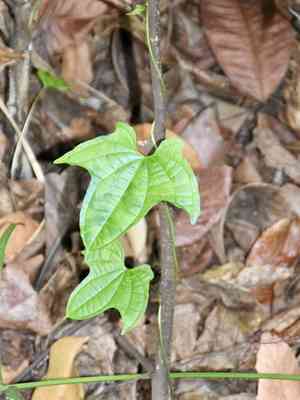
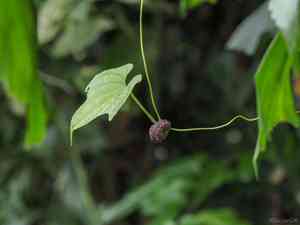
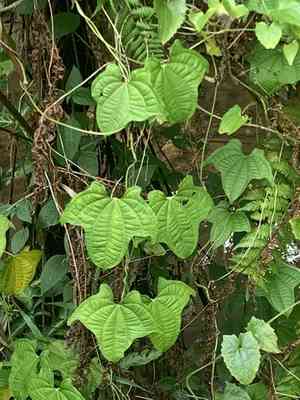
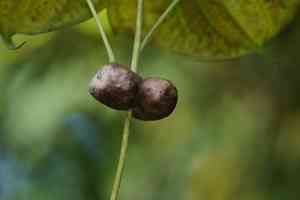
Dioscorea sansibarensis, also known as the Zanzibar yam, is a species in the yam family native to Madagascar and tropical Africa, ranging from Tanzania to Guinea and down to Mozambique. It's also found in regions like southern Florida as an introduced species. The plant grows from a tuber that can reach up to 40 cm in diameter. Its vine, which can exceed 7 meters in length and 3 cm in width, twines counterclockwise and can climb trees before producing its first leaf. The heart-shaped leaves can be as large as 46 cm long and 58 cm wide, sometimes ending in a tail-like tip. The bulbils, which can grow up to 6 cm wide, are often purplish. In some African cultures, the plant is believed to possess magical properties. Both the tubers and bulbils are toxic.

Attributes of Zanzibar yam

Lifespan
Perennial
Plant Type
Herb, Vine
Plant Height
7 m
Spread
40 cm
Leaf Color
Dark green
Flower Size
2.5 cm
Flower Color
White

ForwardPlant - Identify plants with a snap

Identify and diagnose plants, get toxicity alerts, and explore safety guides for all types of fungi.

Try for Free

Images of Zanzibar yam

Zanzibar yam(Dioscorea sansibarensis)

Quickly Identify Zanzibar yam

1
Identify Dioscorea sansibarensis by its large, heart-shaped leaves which are often over a foot wide. The plant produces aerial tubers and has a distinctive climbing habit, coiling around supports.

Scientific Classification of Zanzibar yam

Phylum
Vascular plants
Class
Monocotyledons
Order
Dioscoreales
Family
Yam
Genus
Dioscorea
Species
Zanzibar yam

Planting and Growing of Zanzibar yam

Care Difficulty
Hard
Watering Schedule
Every 3 days
Sunlight Requirements
Partial sun
Sunshine Duration
6-8 hours
Ideal Temperature
68-77℉
Soil Type
Potting Mix, Peat Mix
Soil pH
6.5-7.5
Fertilizer Type
Balanced
Pruning Season
Spring, Summer
Pruning Area
Branches, Leaves
Pruning Frequency
2 times a year
Repotting Season
Spring
Pot Type
Plastic, Ceramic

water icon How to Water Zanzibar yam?

When watering Dioscorea sansibarensis, aim to thoroughly soak the soil until water begins to drain from the bottom of the pot. This ensures that the entire root system receives the moisture it needs, while preventing waterlogging by allowing excess water to escape.
What are the symptoms of an underwatered Zanzibar yam?
What should I do if my Zanzibar yam is not getting enough water?
What are the symptoms of an overwatered Zanzibar yam?
How to save an overwatered Zanzibar yam?

sunlight icon What Are the Sunlight Requirements for Zanzibar yam?

Sunlight Requirements: Partial sun
Duration of light: 3 to 5 hours daily
Partial sun or dappled light conditions are ideal for sustaining healthy growth, providing adequate energy for photosynthesis while ensuring the plant doesn't suffer from sunburn.
What type of light does Dioscorea sansibarensis prefer?
How to achieve ideal lighting for Dioscorea sansibarensis?
What are the benefits of ideal lighting for Dioscorea sansibarensis?

temperature icon What Is the Ideal Temperature Range for Zanzibar yam?

Ideal Temperature: 68 ~ 77℉
The ideal temperature range for Dioscorea sansibarensis is crucial because it ensures optimal growth and health. This plant thrives best between 68°F and 77°F, where its physiological processes are most efficient. Within this range, photosynthesis and nutrient uptake occur optimally, resulting in robust growth and development.

soil icon What Soil is Best for Zanzibar yam?

Soil type: Loam, Sandy loam
Soil PH: 6.5 ~ 7.5
Dioscorea sansibarensis thrives in well-draining soil. This prevents root rot by allowing excess moisture to escape, which is crucial for the bulbous root structure of this plant to remain healthy and vigorous. Rich in organic matter, the soil should provide the necessary nutrients to support robust growth. Adding compost or aged manure helps boost soil fertility, fostering vigorous foliage and root development. While good drainage is essential, the soil should also retain enough moisture to keep the plant hydrated. This balance can be achieved by using sandy loam, allowing roots to breathe while maintaining consistent moisture.

fertilize icon How to Fertilize Zanzibar yam?

Fertilizer type: Balanced
For Dioscorea sansibarensis, the fertilizer should be applied at half the recommended strength labeled on your product. This is a tuberous plant, sensitive to over-fertilization, so it's crucial to deliver nutrients gradually. One tablespoon of liquid fertilizer diluted in a gallon of water or a half-spoon of granular fertilizer sprinkled around the base should be sufficient.

prune icon How to Prune Zanzibar yam?

Pruning Time: Spring, Summer, Autumn
Begin pruning by first identifying any dead or damaged vines on the Dioscorea sansibarensis. Use a clean, sharp pair of pruning shears to make precise cuts at nodes or slightly above a leaf joint. Focus on maintaining the desired shape and size by trimming excessively long vines, encouraging a fuller plant with better airflow and light penetration. While pruning, make sure to remove any weak or crossing vines that could impede the plant's growth or lead to fungal issues. By doing so, you not only improve the aesthetic of the plant but also allow more energy to be directed towards healthy tuber development, ensuring a vibrant, robust plant. More About Pruning Techniques

propagate icon How to Propagate Zanzibar yam plant?

Propagate Time: Spring,Summer
1
Choose healthy, disease-free tubers from a mature Dioscorea sansibarensis plant. Ensure each section you plan to propagate has at least one healthy eye or bud to promote new growth.
2
Use a well-draining soil mix, such as a blend of potting soil, sand, and perlite. This ensures good drainage and prevents waterlogging, which can lead to tuber rot.
3
After dusting the cut surfaces with rooting hormone, plant each tuber section in prepared soil. Position them horizontally or vertically with the eyes facing upward. Cover with a thin layer of soil and water lightly.

repot icon How to Repot Zanzibar yam plant?

Repotting frequency: Every 1-2 years
1
You'll know it's time to repot your Dioscorea sansibarensis when you see roots poking out of the drainage holes, the plant looks oversized for its pot, or when growth seems sluggish despite optimal care. These are clear signals that your plant needs room to grow.
2
Select a new pot that is one size larger than the current one; this allows room for root expansion without overwhelming the plant. Make sure the pot has adequate drainage holes to prevent waterlogging, which could lead to root rot.
3
Opt for a well-draining organic soil mix enriched with perlite or sand to enhance aeration and drainage. Such soil prevents water retention, protecting the roots from rot while providing essential nutrients.

ForwardPlant - Identify plants with a snap

Find the best spots for them to optimize their health, simply using your phone.

Try for Free

Toxicity

Ingestion

Identify toxic plants for your safety

Learn which plants are harmful to you and your pets, and make informed choices for a safer home!

Try for Free
WARNING
The judgment on toxicity and danger is for reference only. We DO NOT GUARANTEE any accuracy of such judgment. Therefore, you SHALL NOT rely on such judgment. It is IMPORTANT TO SEEK PROFESSIONAL ADVICE in advance when necessary.