How to Prune Eggs and bacon?
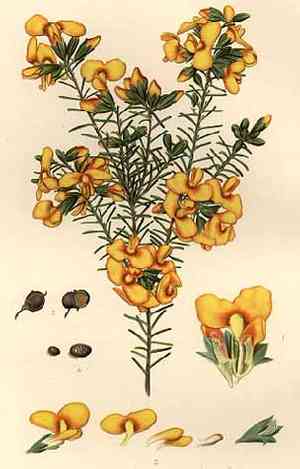
This indigenous evergreen bush, recognized for its vibrant yellow and crimson pea-shaped blossoms, thrives with consistent trimming. The ideal period to trim eggs and bacon is in early spring, prior to the emergence of fresh shoots. Concentrate on eliminating deceased or compromised limbs and gently contouring the plant to foster a denser habit. Routine pruning improves air movement, lowers the chance of illness, and encourages a more pleasing appearance. Exercise care with drastic cuts, as eggs and bacon might not recuperate effectively from extensive pruning.
What Are the Benefits of Pruning Eggs And Bacon?
What Are the Benefits of Pruning Eggs And Bacon?
Trimming enhances eggs and bacon's vitality and preserves its form. Eliminating lifeless or congested branches promotes vigorous development and more abundant blooms. It also lessens vulnerability to pests and illnesses, ensuring eggs and bacon flourishes and appears its finest.
What Is the Best Time for Pruning Eggs And Bacon?
What Is the Best Time for Pruning Eggs And Bacon?
Trimming in early spring is advisable for eggs and bacon as it aligns with the plant's growth cycle. This timing ensures the plant has recovered from winter dormancy and is about to enter its active growth phase. Pruning during this period encourages healthy new growth and allows the plant to develop a robust structure. Additionally, pruning before the primary flowering period helps maintain the plant's shape and enhances its ornamental appeal. Performing this activity early enough in the spring reduces the risk of frost damage to newly cut areas, thereby safeguarding the plant's overall health.
What Tools Do I Need to Prune Eggs And Bacon?
Hand Pruners
Hand pruners are perfect for making precise cuts on small stems and branches up to 1/2 inch in diameter. These are ideal for the routine upkeep of eggs and bacon, enabling accurate trimming and fostering healthy development.
Loppers
Loppers offer the necessary leverage to cut through thicker stems and branches that hand pruners cannot manage. They are suitable for removing older, woody growth without harming the plant.
Pruning Saw
A pruning saw is crucial for cutting through branches thicker than 1 inch. Its sharp, serrated blade can handle denser wood, which is common in mature specimens of eggs and bacon.
Bypass Shears
Bypass shears are useful for making clean, precise cuts on green, living stems. They prevent crushing and damage to the tissues, which is vital for maintaining the health and appearance of eggs and bacon.
Gloves
Durable gardening gloves are important to shield your hands from scratches and ensure a firm grip on the tools while pruning eggs and bacon.
How to Prune Eggs And Bacon
Inspection
Begin by closely examining eggs and bacon to identify any diseased leaves, withered leaves, dead branches, and diseased branches.
Clean Tools
Ensure your pruning tools are clean and sanitized. This helps prevent the spread of disease from one part of eggs and bacon to another.
Remove Diseased Leaves
Carefully snip away any diseased leaves using sharp pruning shears, making sure to cut at least an inch below the infected area to ensure complete removal.
Remove Withered Leaves
Cut off any withered leaves, as they can attract pests. Make clean cuts to avoid damaging healthy parts of eggs and bacon.
Remove Dead and Diseased Branches
Use a saw or loppers to cut back dead and diseased branches. Make the cut just above a healthy branch junction or trunk, ensuring not to leave any stubs.
Common Pruning Mistakes with Eggs And Bacon
Over-pruning
Removing too much of the plant at once can stress eggs and bacon, leading to poor growth and reduced flowering.
Improper cuts
Making jagged or uneven cuts can damage the stems, making them more susceptible to disease and pests.
Pruning at wrong nodes
Cutting at the wrong point along the stem can hinder regrowth, potentially causing irregular shape and weak new growth.
Common Pruning Tips for Eggs And Bacon
Use sharp tools
Always use sharp, clean pruning shears to make clean cuts, reducing the risk of infection.
Prune for shape
Focus on maintaining a natural, balanced shape by selectively pruning stems that disrupt the overall form of eggs and bacon.
Promote airflow
Thin out crowded areas to improve air circulation within eggs and bacon, which reduces the chance of fungal diseases.
Observe the plant
Regularly observe eggs and bacon and prune as needed to remove any dead or unhealthy stems, encouraging robust growth.



