How to Prune Cerulean flaxlily?
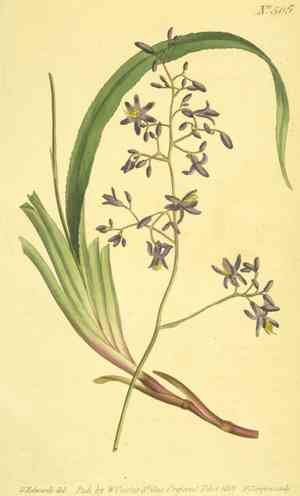
Dianella caerulea, a robust, clustering perennial recognized for its grass-like leaves and vibrant blue fruits, thrives with trimming performed in early spring or late winter. Eliminate withered or compromised foliage to foster robust development and elevate its aesthetic charm. Snip off spent flower stalks to stimulate fresh blossoms. Consistent pruning aids in preserving its form and averts excessive density, thereby boosting the plant's general health.
What Are the Benefits of Pruning Cerulean Flaxlily?
What Are the Benefits of Pruning Cerulean Flaxlily?
Regular trimming of cerulean flaxlily encourages robust development and helps maintain its form. This practice keeps the plant healthy, improves its look, and prevents overgrowth, which can deter pests and diseases. It is crucial for optimal blooming and lifespan.
What Is the Best Time for Pruning Cerulean Flaxlily?
What Is the Best Time for Pruning Cerulean Flaxlily?
Late winter and early spring are ideal periods for trimming cerulean flaxlily as the plant is typically inactive or just starting its new growth phase. Pruning at these times minimizes plant stress, as it is not actively growing. Additionally, trimming before the active growth period ensures energy is directed towards new growth and flowering, enhancing overall health and appearance. Pruning after blooming can also help remove spent flowers and neaten the plant.
What Tools Do I Need to Prune Cerulean Flaxlily?
Hand Pruners
Perfect for precise cuts on smaller stems and to encourage vigorous growth in cerulean flaxlily.
Loppers
Useful for cutting thicker stems or branches that may need more leverage. Ensures clean cuts without harming the plant.
Pruning Saw
For larger or tougher stems that cannot be managed by hand pruners or loppers. Ensures smooth cuts on thicker growth.
Garden Shears
Helps in trimming leaves or cutting back the plant to control its height and spread.
How to Prune Cerulean Flaxlily
Inspection
Carefully examine cerulean flaxlily for any diseased or shriveled leaves. This initial check helps identify which parts require trimming.
Clean Tools
Ensure pruning shears or scissors are clean and sharp to prevent disease spread and guarantee clean cuts.
Diseased Leaves
Start by cutting away any diseased leaves close to the base of cerulean flaxlily, making sure to dispose of them properly to prevent contamination.
Withered Leaves
Next, carefully snip off withered leaves, taking care to cut at the stem's base while avoiding any healthy parts of cerulean flaxlily.
Disposal
Gather and discard all pruned material away from healthy plants to minimize the risk of disease spreading.
Common Pruning Mistakes with Cerulean Flaxlily
Over-pruning
Removing too much foliage at once can stress cerulean flaxlily, leading to poor development and reduced resistance to pests and diseases.
Incorrect cutting technique
Using dull or dirty tools can cause jagged cuts, which are more prone to infections. Poor cutting angles can also harm the plant.
Pruning at wrong times
Trimming during active growth periods, rather than when the plant is dormant or slow, can hinder its ability to recover.
Ignoring damaged or diseased parts
Failing to remove infected or diseased parts can allow the issue to spread throughout cerulean flaxlily.
Common Pruning Tips for Cerulean Flaxlily
Use sharp, clean tools
Always use sharp, sterilized pruning shears to make clean cuts, which helps prevent disease spread and promotes faster healing.
Target dead or diseased parts first
Start by removing any dead, damaged, or diseased foliage to maintain the overall health of cerulean flaxlily.
Avoid excessive pruning
Trim no more than a third of the plant's foliage at a time to prevent shock and stress.
Encourage shape and airflow
Prune to maintain an open structure that allows for good airflow through the plant, reducing the risk of fungal diseases.



