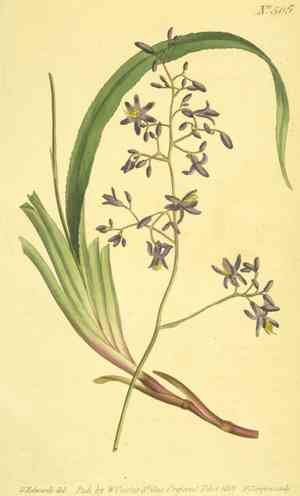
Cerulean flaxlily (Dianella caerulea)
Also known as: Paroo lily
Dianella caerulea, commonly known as the Blue Flax Lily, showcases stunning blue-purple flowers that add vibrant color to gardens and landscapes. Preferring lightly shaded areas, this plant blooms early in the year and is excellent at attracting native Australian birds. Although not used in cooking, its striking flowers and shimmering berries make it a captivating feature in any outdoor setting. The Blue Flax Lily helps gardeners create a wildlife-friendly environment with its unique appearance and ecological benefits.
In This Article
Attributes of Cerulean flaxlily
Lifespan
Perennial
Plant Height
60 cm
Spread
30 cm
Leaf Color
Green
Flower Size
Approximately 1.5 centimeters
Flower Color
Blue
Images of Cerulean flaxlily
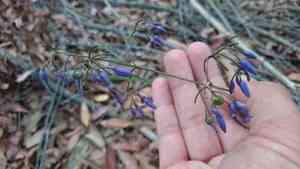
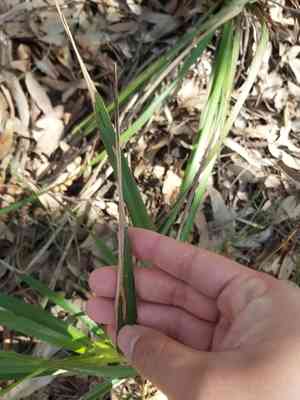
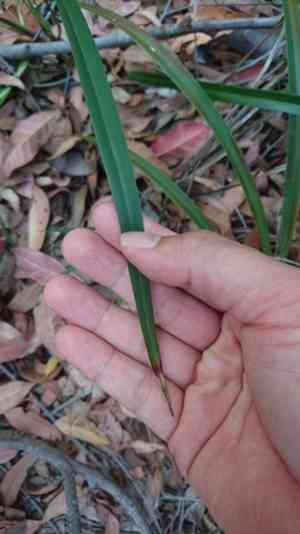
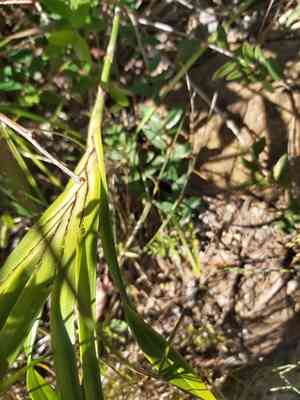
Quickly Identify Cerulean flaxlily
1
Look for clumps of strappy, arching leaves with a blue-green hue. The plant produces small, star-shaped blue or purple flowers, followed by bright blue berries. It often spreads through rhizomes, creating dense foliage mats.
Scientific Classification of Cerulean flaxlily
Phylum
Vascular plants
Class
Monocotyledons
Order
Asparagales
Family
Asphodel
Genus
Flax lilies
Species
Cerulean flaxlily
Planting and Growing of Cerulean flaxlily
Care Difficulty
Easy
Watering Schedule
Every 4 days
Sunlight Requirements
Full sun
Sunshine Duration
4-8 hours
Ideal Temperature
60-75℉
Soil Type
Potting Mix, Peat Mix
Soil pH
6.5-7.5
Fertilizer Type
Balanced
Pruning Season
Spring, Summer
Pruning Area
Branches, Leaves
Pruning Frequency
2 times a year
Repotting Season
Spring
Pot Type
Plastic, Ceramic
 How to Water Cerulean flaxlily?
Dianella caerulea prefers consistently moist soil, but not waterlogged. Each watering session should deliver about 500ml per plant, ensuring the soil is evenly moist without standing water. Avoid letting it dry out completely between waterings, particularly in warm weather, for optimum growth.
What are the symptoms of an underwatered Cerulean flaxlily?
›
What should I do if my Cerulean flaxlily is not getting enough water?
›
What are the symptoms of an overwatered Cerulean flaxlily?
›
How to save an overwatered Cerulean flaxlily?
›
 What Are the Sunlight Requirements for Cerulean flaxlily?
A mixture of full and partial sun conditions is ideal for Dianella caerulea, giving it a balance that promotes vibrant leaves and healthy blooming cycles.
How to achieve optimal light?
›
What is the best placement for this plant?
›
What are the benefits of proper lighting?
›
 What Is the Ideal Temperature Range for Cerulean flaxlily?
Dianella caerulea thrives best within an ideal temperature range of 60°F to 75°F. This range provides the necessary warmth to support healthy growth and optimal metabolism while avoiding excessive heat stress. Maintaining temperatures within this zone ensures vigorous leaf production and vibrant flowering, contributing to the plant's overall beauty and vitality in a garden setting.
 What Soil is Best for Cerulean flaxlily?
Dianella caerulea thrives best in well-drained soil. Perfect drainage prevents waterlogging, which can lead to root rot. This helps the plant maintain robust root health, ensuring it receives adequate nutrients and water. Although the soil should be well-drained, it needs to retain some moisture. Sandy loam is perfect as it balances moisture retention and drainage. This ensures the plant gets consistent moisture without becoming waterlogged, supporting steady growth. Incorporating organic matter into the soil benefits Dianella caerulea by improving soil structure and fertility. Rich organic soil enhances nutrient availability, promoting lush and vibrant leaf growth in this hardy perennial.
 How to Fertilize Cerulean flaxlily?
For Dianella caerulea, the fertilizer amount depends on its growth stage. In the growing season, use about half the recommended dose on the fertilizer pack to avoid overfeeding the plant. For liquid fertilizers, mixing 10ml per liter of water is generally sufficient. During the dormant season, reduce the amount to a quarter of the recommended dose.
 How to Prune Cerulean flaxlily?
For effective pruning of Dianella caerulea, always use sharp, clean pruning shears. Begin by sanitizing your tools to prevent the spread of infections. Make clean cuts at a slight angle to avoid water accumulation on the cut surface, which could lead to rot. Clip off spent flowers and deteriorating leaves near the base to encourage the plant’s energy towards new growth. If Dianella caerulea becomes too large or unruly, carefully trim back the peripheral leaves. This helps maintain the desired shape and prevents overcrowding. Periodic thinning improves air circulation between leaves, reducing the risk of disease and promoting a healthier plant environment.
More About Pruning Techniques→
 How to Propagate Cerulean flaxlily plant?
1
Collect ripe seeds and sow them in trays filled with a well-draining seed-starting mix. Lightly cover them with soil and keep the soil consistently moist.
2
Choose healthy shoots and cut them at an angle below a node. Remove the lower leaves and dip the base in rooting hormone to encourage root growth.
3
Carefully dig up a mature Dianella caerulea plant, dividing the root clumps into sections, ensuring each section has roots and shoots, then replant immediately.
 How to Repot Cerulean flaxlily plant?
1
You should consider repotting your Dianella caerulea when you notice the roots are growing out of the drainage holes, or if the plant appears top-heavy. Another sign is when growth seems stunted, indicating the roots may be too crowded. The best time for repotting is during its active growing seasons, which ensures minimal stress to the plant.
2
Opt for a pot that is just slightly larger than the current one to avoid excessive soil moisture that can lead to root rot. A pot with drainage holes is crucial to ensure proper drainage and aeration, which are vital for healthy root development.
3
Select a well-draining potting mix that mimics the plant's natural environment. A mixture of sand, perlite, and organic matter works well. This type of soil allows for adequate drainage while retaining enough moisture and nutrients for plant growth, preventing common issues like root rot.
Toxicity
Ingestion of berries
WARNING
The judgment on toxicity and danger is for reference only. We DO NOT GUARANTEE any accuracy of such judgment. Therefore, you SHALL NOT rely on such judgment. It is IMPORTANT TO SEEK PROFESSIONAL ADVICE in advance when necessary.
Learn More About Cerulean flaxlily Diseases
Anthracnose
Bacterial Leaf Spot
Bacterial Soft Rot
Chemical Injury
Damping-off
Downy Mildew
Drought Stress
Fusarium Wilt
Gray Mold
Leaf Spot
Mosaic
Nutrient Deficiency
Nutrient Toxicity
Powdery Mildew
Root Rot
Root-knot Nematode
Rusts
Sooty Mold
Spider Mites
Temperature Stress
Thrips Damage
White Mold



