How to Prune Silverleaf desmodium?
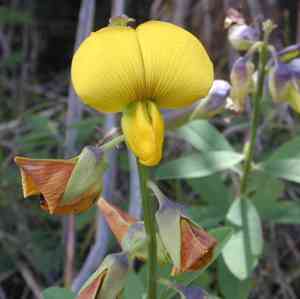
Desmodium discolor, recognized for its robust development and thick canopy, significantly profits from consistent trimming. Essential methods involve minor shaping to preserve its form and excising deceased or injured stalks to foster robust development. The most suitable periods for pruning are in late winter or early spring, prior to the emergence of new shoots. Trimming improves air movement, lowers the chance of illness, and encourages a more controllable dimension. Following these guidelines will guarantee Desmodium discolor flourishes in your outdoor space.
Advantages of Trimming Silverleaf Desmodium
Advantages of Trimming Silverleaf Desmodium
Silverleaf desmodium benefits from trimming by promoting vigorous growth and maintaining its form. Proper trimming improves air circulation, lowers pest and disease risks, and encourages abundant flowering and fruiting. Regular cutting keeps silverleaf desmodium manageable and visually appealing.
Optimal Time for Trimming Silverleaf Desmodium
Optimal Time for Trimming Silverleaf Desmodium
Trimming silverleaf desmodium in early spring or late winter is ideal as these periods coincide with the plant's dormant phase or the initial stages of its growth cycle. Pruning during dormancy minimizes plant stress and reduces disease susceptibility. Additionally, cutting back in early spring stimulates healthy regrowth, allowing the plant to direct energy towards developing strong new shoots. This timing also ensures that pruning does not interfere with silverleaf desmodium's flowering or fruiting periods, enhancing its overall vitality and yield.
Necessary Tools for Trimming Silverleaf Desmodium
Hand Pruners (Bypass Pruners)
Hand pruners are perfect for silverleaf desmodium, providing clean cuts on stems and branches up to 1/2 inch thick. Their bypass mechanism is well-suited for the delicate stems of silverleaf desmodium.
Loppers
Loppers are effective for cutting thicker branches, up to 1-2 inches in diameter, which is crucial for managing silverleaf desmodium's shape and size. They offer greater leverage than hand pruners and can reach deeper into the plant.
Pruning Saw
For branches exceeding 2 inches in thickness, a pruning saw will be essential. This tool ensures a clean cut on larger branches without harming the plant tissue.
Hedge Shears
If silverleaf desmodium is grown as a hedge or requires shaping, hedge shears can be used to trim and maintain uniformity. These are useful for cutting multiple stems simultaneously.
Steps to Prune Silverleaf Desmodium
Sanitize Tools
Begin by disinfecting pruning tools to prevent disease transmission. Use a 70% isopropyl alcohol solution or a bleach solution (one part bleach to nine parts water).
Examine Plant
Thoroughly inspect silverleaf desmodium for any diseased or withered foliage. Look for discoloration, spots, or signs of decay.
Remove Diseased Leaves
Carefully cut off any diseased leaves. Make clean cuts at the base of each leaf stem to prevent further infection. Dispose of these leaves away from the plant area to avoid contamination.
Trim Withered Leaves
Next, identify and remove withered leaves. Cut back to the healthy part of the stem or remove the entire leaf if necessary. Ensure cuts are clean to promote healthy regrowth.
Verify and Discard
After pruning, recheck silverleaf desmodium for any missed diseased or withered leaves. Properly dispose of all pruned material to prevent garden issues.
Common Pruning Errors with Silverleaf Desmodium
Excessive Pruning
Removing too much foliage at once can stress silverleaf desmodium, making it susceptible to pests and diseases. Aim to remove no more than one-third of the plant's growth during a single pruning session.
Incorrect Cuts
Making jagged or improper cuts can damage silverleaf desmodium, leading to poor regrowth and increased infection risk. Always use sharp, clean pruning shears for smooth cuts.
Pruning at the Wrong Spot
Cutting too far from a node or leaving stubs can result in dieback and delayed regrowth. It's crucial to prune just above a node or bud.
General Pruning Advice for Silverleaf Desmodium
Progressive Pruning
For healthier growth, prune silverleaf desmodium gradually over several sessions rather than all at once. This approach allows the plant to recover and continue thriving.
Utilize Appropriate Tools
Invest in high-quality pruning tools suitable for the stem sizes you need to cut. Clean your tools before and after use to prevent disease spread.
Angled Cuts
Make angled cuts to prevent water from accumulating on the cut surface, which can reduce rot risk and promote faster healing.
Focus on Dead or Diseased Wood
Always prioritize removing dead, diseased, or damaged wood. This helps maintain silverleaf desmodium's overall health and encourages more vigorous new growth.
Maintain Shape and Airflow
Prune to maintain a good shape and ensure proper air circulation within the plant. This helps reduce the risk of fungal infections and promotes a more attractive appearance.



