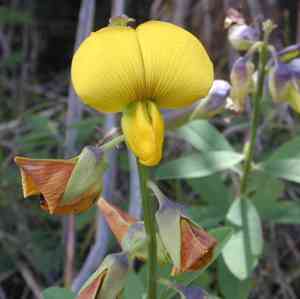
Silverleaf desmodium (Desmodium uncinatum)
Also known as: Desmodium silverleaf
Silverleaf desmodium has a varied reputation globally. While it was intentionally introduced in many regions for its benefits as animal fodder, a nitrogen-fixing plant, and a mulch provider, in Australia and Hawaii, it is deemed invasive. Its rapid growth and competitive nature allow it to overwhelm native species, leading to ecological imbalances.
In This Article
Attributes of Silverleaf desmodium
Lifespan
Perennial
Plant Height
0.5 to 2 meters
Spread
Not widely reported, variable based on growth conditions
Leaf Color
Green with a silvery underside
Flower Size
Around 1-1.5 cm
Flower Color
Purple or pinkish
Images of Silverleaf desmodium
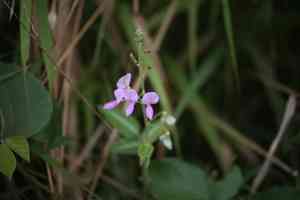
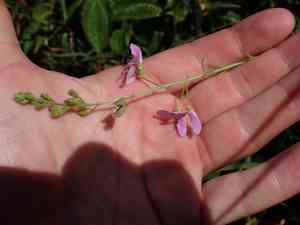
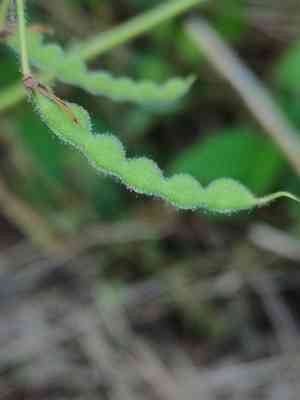
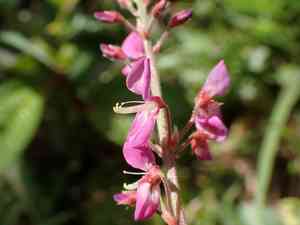
Quickly Identify Silverleaf desmodium
1
Desmodium uncinatum can be identified by its trifoliate leaves with silver hairs on the underside, small purple or pinkish flowers, and sticky seed pods that attach to animals and clothing.
Scientific Classification of Silverleaf desmodium
Phylum
Vascular plants
Class
Dicotyledons
Order
Fabales
Family
Legume
Genus
Tick clover
Species
Silverleaf desmodium
Planting and Growing of Silverleaf desmodium
Care Difficulty
Moderate
Watering Schedule
Every 4 days
Sunlight Requirements
Full sun
Sunshine Duration
6-10 hours
Ideal Temperature
68-77℉
Soil Type
Potting Mix, Peat Mix
Soil pH
6.5-7.5
Fertilizer Type
Balanced
Pruning Season
Spring, Summer
Pruning Area
Branches, Leaves
Pruning Frequency
2 times a year
Repotting Season
Spring
Pot Type
Plastic, Ceramic
 How to Water Silverleaf desmodium?
For Desmodium uncinatum, it's crucial to maintain the balance in its water intake. You should water this plant thoroughly until the soil is evenly moist but not saturated. Ensure excess water drains away to prevent root rot, as continuous sogginess can be detrimental.
What are the symptoms of an underwatered Silverleaf desmodium?
›
What should I do if my Silverleaf desmodium is not getting enough water?
›
What are the symptoms of an overwatered Silverleaf desmodium?
›
How to save an overwatered Silverleaf desmodium?
›
 What Are the Sunlight Requirements for Silverleaf desmodium?
Desmodium uncinatum prefers full to partial sunlight, with at least 6 to 8 hours of exposure daily. Adequate sunlight promotes healthy growth, lush foliage, and strong overall vitality, essential for its development.
Solution for Ideal Conditions
›
Specific Measures for Optimal Sunlight
›
Benefits of Ideal Lighting
›
 What Is the Ideal Temperature Range for Silverleaf desmodium?
Desmodium uncinatum thrives best in a temperature range between 68°F and 77°F. This range provides optimal conditions for growth and development. The plant's metabolism is most efficient within these temperatures, promoting healthy foliage and robust flowering.
 What Soil is Best for Silverleaf desmodium?
Desmodium uncinatum thrives in nutrient-rich soils that provide essential nutrients such as nitrogen, phosphorus, and potassium, crucial for robust growth. A well-enriched soil fosters strong root development and enhances the plant's capacity to produce lush foliage and blooms. This plant demands well-draining soil to avoid waterlogging, which can lead to root rot. A mixture of sandy loam ensures optimal drainage while maintaining adequate moisture, thus benefiting the plant's overall health and preventing diseases. Incorporation of organic matter like compost is beneficial for Desmodium uncinatum. It improves soil texture, enhances water retention, and provides a slow-release source of nutrients, supporting continuous and stable growth throughout the season.
 How to Fertilize Silverleaf desmodium?
Desmodium uncinatum requires moderate amounts of fertilizer. For liquid fertilizers, a dilution rate of half the recommended strength is typically effective. Solid fertilizers should be applied in accordance with the manufacturer's instructions, focusing on a balanced NPK ratio to support both foliage and root growth.
 How to Prune Silverleaf desmodium?
Begin by removing any stems that are dead, diseased, or damaged. This helps to prevent the spread of disease and promotes healthier growth. Inspect the plant thoroughly to identify problematic stems. Trim back branches to shape the plant as desired. Focus on maintaining a balanced structure that allows light to penetrate the center. This helps in promoting even growth and enhances the plant's aesthetic. Cut back longer stems to just above a set of leaves. This encourages the plant to produce side shoots, leading to a denser and bushier appearance. It enhances the plant’s overall structure, making it fuller and more robust.
More About Pruning Techniques→
 How to Propagate Silverleaf desmodium plant?
1
Choose cuttings from healthy, vigorous plants. Ensure that the cutting is around 4-6 inches long and has at least a few leaf nodes, as these are crucial for successful rooting.
2
Prepare a soil mix that is well-drained and rich in organic matter for seed and cutting propagation. This encourages healthy root development and prevents waterlogging, which can lead to rot.
3
Sow seeds shallowly in a suitable growing medium, lightly covering them. Keep the soil moist but not waterlogged, and ensure the seeds receive adequate light to promote germination.
 How to Repot Silverleaf desmodium plant?
1
For Desmodium uncinatum, signs that it's time to repot include roots emerging from the drainage holes or the soil drying out faster than normal. These signals indicate that the roots have outgrown their current pot, necessitating a move to a larger space for optimal growth.
2
Select a pot that's only slightly larger than the current one. This encourages healthy root growth without overwhelming the plant with too much space. A pot with good drainage is essential, as it prevents waterlogged soil, which can cause root rot, a common issue in container gardening.
3
Opt for a loamy, well-draining soil mix. This choice ensures adequate aeration for the roots and prevents waterlogging. The soil should retain enough moisture to support the plant's needs but allow excess water to drain away quickly, maintaining the health and vitality of your Desmodium uncinatum.



