How to Prune Prostrate ticktrefoil?
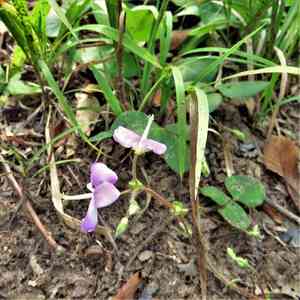
Prostrate ticktrefoil, a perennial groundcover, flourishes with infrequent, regular trimming to eliminate withered or compromised leaves, fostering robust development and an attractive look. The primary period for pruning prostrate ticktrefoil is in early spring when fresh growth begins, or in summer to preserve its form. Gentle trimming encourages thicker foliage, whereas shortening elongated stems boosts the plant's vitality. Strategic pruning also lessens self-propagation, managing undesirable expansion. Always employ sanitized, sharp implements to avert illness.
What Are the Benefits of Pruning Prostrate Ticktrefoil?
What Are the Benefits of Pruning Prostrate Ticktrefoil?
Trimming prostrate ticktrefoil helps maintain its compact shape, promoting a more robust and vigorous growth habit. Regular cutting controls its spread, ensuring it enhances garden beauty without becoming invasive.
What Is the Best Time for Pruning Prostrate Ticktrefoil?
What Is the Best Time for Pruning Prostrate Ticktrefoil?
Pruning prostrate ticktrefoil during Late Spring and Early Summer aligns with its post-dormancy growth surge when the plant is actively growing and can recover more efficiently from pruning stress. This period comes after the threat of last frosts, which can damage new growth elicited by pruning. It precedes the full flowering period, ensuring pruning does not negatively impact pollination or seed production. Trimming during these seasons helps maintain prostrate ticktrefoil's shape, control its spread, and remove any frost-damaged or diseased parts, promoting overall health and vigor of the plant.
What Tools Do I Need to Prune Prostrate Ticktrefoil?
Hand Pruners
Ideal for cutting thin stems and branches on prostrate ticktrefoil, ensuring clean cuts for small to medium-sized stems to promote healthy regrowth.
Garden Scissors
Useful for snipping soft stems or leaves during thinning or shaping operations on prostrate ticktrefoil, allowing detailed work without causing unnecessary damage.
Pruning Saw
Recommended for larger or woodier stems that might be found on established prostrate ticktrefoil plants, providing the necessary power to make clean cuts without damaging the plant.
How to Prune Prostrate Ticktrefoil
Clean tools
Before starting, sterilize all pruning tools to prevent the spread of disease. Use a solution of one-part bleach to nine-parts water to disinfect blades.
Identify
Inspect prostrate ticktrefoil carefully to distinguish diseased, dead, or withered leaves and stems from healthy growth. This will guide you on where to make cuts.
Remove diseased leaves
Using sterilized hand pruners, carefully snip off diseased and withered leaves at the base, where they meet the stem. Ensure minimal damage to surrounding foliage.
Prune diseased stems
For stems showing signs of disease, make clean cuts at least several inches below the affected area, into healthy tissue to ensure the removal of all infected parts.
Disposal
Gather all removed diseased and withered material and dispose of it away from prostrate ticktrefoil. Do not compost diseased plant parts to avoid spreading pathogens.
Common Pruning Mistakes with Prostrate Ticktrefoil
Overpruning
Removing too much foliage from prostrate ticktrefoil can weaken the plant, making it susceptible to disease and stunted growth.
Improper cutting
Cutting prostrate ticktrefoil at an incorrect angle or using dull tools can cause damage to the plant, leading to decay and disease entrance points.
Complete defoliation
Stripping prostrate ticktrefoil of all its leaves during pruning is a severe mistake, as it hampers the plant's ability to photosynthesize and recover.
Neglecting dead material
Failing to remove dead or diseased material from prostrate ticktrefoil may lead to further spreading of disease and deterioration of plant health.
Common Pruning Tips for Prostrate Ticktrefoil
Sharp tools
Always use sharp, clean pruning shears or scissors to make precise cuts on prostrate ticktrefoil, which will help prevent damage and disease.
Healthy growth removal
Refrain from excessively cutting back healthy growth on prostrate ticktrefoil. Focus only on shaping the plant and removing dead or damaged foliage to encourage a fuller growth pattern.
Angle cuts
Make angled cuts on prostrate ticktrefoil to allow water to run off the cut surface, reducing the risk of disease.
Grow pattern observation
Observe the growth pattern of prostrate ticktrefoil to identify weak or crowded branches that require pruning for the overall form and health of the plant.



