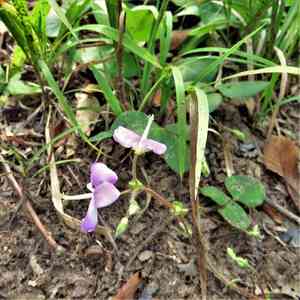
Prostrate ticktrefoil (Desmodium rotundifolium)
Also known as: Round-leaved trailing tick-trefoil
Desmodium rotundifolium, also known as prostrate tick-trefoil, is a plant species with uncertain native origins. Additionally, it is sometimes referred to as beggar lice or tick clover. The Desmodium genus contains numerous species, and their taxonomic classifications are often debated among scientists.
In This Article
Attributes of Prostrate ticktrefoil
Lifespan
Perennial
Plant Type
Herb
Plant Height
1 m
Spread
60 cm
Leaf Color
Medium to dark green
Flower Size
1 cm to 3 cm
Flower Color
Purple
Images of Prostrate ticktrefoil

Quickly Identify Prostrate ticktrefoil
1
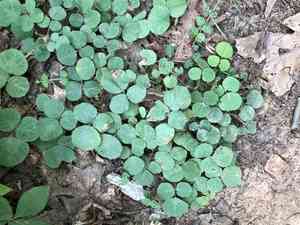
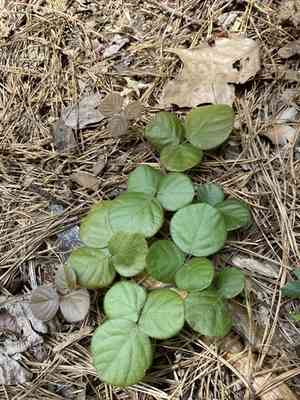
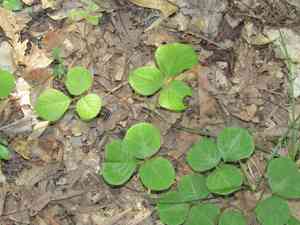
Desmodium rotundifolium can be identified by its prostrate growth habit, trifoliate leaves with round to ovate leaflets, and small pink to purple pea-like flowers. The seed pods are segmented, sticking to clothing and animal fur.
Scientific Classification of Prostrate ticktrefoil
Phylum
Vascular plants
Class
Dicotyledons
Order
Fabales
Family
Legume
Genus
Tick clover
Species
Prostrate ticktrefoil
Planting and Growing of Prostrate ticktrefoil
Care Difficulty
Easy
Watering Schedule
Every 3 days
Sunlight Requirements
Partial sun
Sunshine Duration
6-10 hours
Ideal Temperature
60-75℉
Soil Type
Potting Mix, Peat Mix
Soil pH
6.5-7.5
Fertilizer Type
Balanced
Pruning Season
Spring, Summer
Pruning Area
Branches, Leaves
Pruning Frequency
2 times a year
Repotting Season
Spring
Pot Type
Plastic, Ceramic
 How to Water Prostrate ticktrefoil?
When watering Desmodium rotundifolium, the aim is to moisten the soil thoroughly without leaving standing water around the roots. This usually requires about 200ml per watering. Ensure the water penetrates the soil to reach the root zone, promoting healthy root growth. The soil should feel evenly damp but not soggy.
What are the symptoms of an underwatered Prostrate ticktrefoil?
›
What should I do if my Prostrate ticktrefoil is not getting enough water?
›
What are the symptoms of an overwatered Prostrate ticktrefoil?
›
How to save an overwatered Prostrate ticktrefoil?
›
 What Are the Sunlight Requirements for Prostrate ticktrefoil?
Partial sun exposure, such as morning sun with afternoon shade, is ideal. This balance promotes healthy growth, robust greenery, and optimal flowering, while minimizing risks associated with prolonged direct sunlight exposure.
What is the ideal lighting intensity?
›
How can I ensure it receives adequate lighting?
›
What benefits does proper lighting provide?
›
 What Is the Ideal Temperature Range for Prostrate ticktrefoil?
The ideal temperature range for Desmodium rotundifolium is between 60°F and 75°F. This range supports optimal growth, providing conditions that closely mimic the plant's natural habitat. In the ideal temperature range, the plant can efficiently perform photosynthesis, nutrient absorption, and overall cellular processes, leading to healthy and vigorous growth.
 What Soil is Best for Prostrate ticktrefoil?
Desmodium rotundifolium thrives in nutrient-rich soils that offer a balanced supply of nitrogen, phosphorus, and potassium. These nutrients support healthy leaf growth and strong stem development, which are critical for the plant’s overall vitality. This plant requires well-drained soil to prevent root rot. Adequate drainage ensures excess water flows away, protecting the roots from becoming waterlogged, which would otherwise lead to disease and poor growth. While well-drained, the soil for Desmodium rotundifolium should remain moist. Consistent moisture supports root health and ensures the plant does not experience drought stress, which can stunt growth and reduce flowering.
 How to Fertilize Prostrate ticktrefoil?
Desmodium rotundifolium generally requires a balanced approach to fertilization. For liquid fertilizers, use a concentration of 1/4 to 1/2 of the recommended dosage on the bottle, ensuring not to overwhelm the plant's delicate root system. This plant benefits from a gentle boost without excessive nutrients.
 How to Prune Prostrate ticktrefoil?
Start by identifying and cutting away any dead or damaged branches. This will open up the plant to more light and air, fostering healthier growth. Trim back overgrown areas to maintain a pleasing shape, ensuring the plant retains a bushy appearance. Aim for an even distribution of foliage for optimal light exposure. Cut back the tips of vigorous branches to promote lateral growth. This not only enhances the plant's aesthetic but also its blooming potential.
More About Pruning Techniques→
 How to Propagate Prostrate ticktrefoil plant?
1
Soak seeds overnight in warm water to soften the hard seed coat. This improves the likelihood of successful germination by allowing easier moisture penetration.
2
Select healthy stems and cut them into sections of about 4-6 inches. Dip the cut end in rooting hormone before placing in a well-draining potting mix to encourage root production.
3
Carefully dig up the mature plant and separate it into smaller sections, each with roots attached. Replant the divided sections in prepared soil, ensuring summer growth occurs before late autumn.
 How to Repot Prostrate ticktrefoil plant?
1
Desmodium rotundifolium signals its need for repotting when you notice roots protruding from the drainage holes or if its growth appears stunted. It’s essential to understand that the perfect time to repot this plant is either at the onset of spring as it revives from winter dormancy or during autumn before it enters its dormant phase.
2
Choose a pot that is one size larger than its current container and with adequate drainage holes. This prevents waterlogging, ensuring that the roots have sufficient room to expand while simultaneously reducing the risk of root rot, promoting healthier growth.
3
Opt for a loamy, well-draining soil mix that facilitates air circulation around the roots. This type of soil mimics the plant's natural habitat, offering essential nutrients while preventing moisture retention that could cause root decay.



